Consuming recovery drinks with a 3:1 or 4:1 carbohydrate-to-protein ratio within 30-60 minutes after road cycling maximizes muscle glycogen replenishment and repair, according to sports nutrition research. This timing window represents the peak period for glycogen synthase enzyme activity when muscles are most receptive to nutrient uptake.
Key Takeaway
-
3:1 or 4:1 carbohydrate-to-protein ratio maximizes glycogen replenishment and muscle repair
-
30-60 minute post-ride window is critical for optimal nutrient absorption
-
2g of carbohydrates per kg of body mass should be consumed within 30 minutes
Optimal Recovery Drink Ratios: 3:1 vs 4:1 Carbohydrate-to-Protein
3:1 vs 4:1 Ratio Comparison: Which Works Better for Cyclists
|
Ratio |
Carbohydrate Content |
Protein Content |
Best For |
Absorption Rate |
|---|---|---|---|---|
|
3:1 |
60g per serving |
20g per serving |
Moderate rides (60-90 min) |
Standard absorption |
|
4:1 |
80g per serving |
20g per serving |
Long endurance rides (>90 min) |
Faster glycogen uptake |
|
5:1 |
100g per serving |
20g per serving |
Multi-day events |
Maximum glycogen storage |
The 3:1 ratio provides adequate carbohydrate replenishment for moderate rides, while the 4:1 ratio accelerates glycogen restoration after longer efforts. Research shows the 4:1 ratio increases muscle glycogen synthesis by approximately 20% compared to 3:1 when consumed within the 30-minute window. For cyclists training for multi-day events, the higher carbohydrate ratio becomes critical as glycogen stores deplete more rapidly with consecutive high-intensity efforts.
Studies from the Journal of Applied Physiology demonstrate that consuming 2g of carbohydrates per kg of body mass within 30 minutes post-exercise can restore muscle glycogen levels to 80% of pre-exercise values within 4 hours. This compares to only 50% restoration when the same amount is consumed 2 hours later. The 5:1 ratio found in products like Skratch Labs Sport Recovery Drink Mix provides even greater carbohydrate availability for stage races where daily glycogen depletion occurs.
Carbohydrate Types: Glucose vs Fructose for Fast Absorption
-
Glucose-only: Absorbed at 60g/hour maximum rate through SGLT1 transporters
-
Fructose-glucose combination: Absorbs at 90g/hour rate using multiple transport pathways
-
Glucose polymers: Provide sustained energy release, less osmotic stress
-
Maltodextrin: Rapidly absorbed, minimal sweetness, reduces gastrointestinal distress
Dual-source carbohydrates using glucose and fructose combinations can increase absorption rates by 50% compared to single-source glucose drinks. This means cyclists can replenish glycogen stores faster, particularly important for stage races where recovery between daily efforts determines performance. The Nduranz Regen formula specifically uses this combination to achieve faster absorption rates than traditional recovery drinks.
Research from the American Journal of Clinical Nutrition shows that fructose-glucose combinations can restore muscle glycogen 30-50% faster than glucose alone. For cyclists weighing 70kg, this translates to approximately 140g of carbohydrates needed within the first 30 minutes post-ride. The timing becomes even more critical during multi-day events where glycogen depletion compounds daily.
Top Science-Backed Recovery Drinks for Cyclists
Skratch Labs vs Klean Recovery: Premium Recovery Drink Comparison
-
Skratch Labs Sport Recovery Drink Mix: 5:1 carb-to-protein ratio, milk protein blend (whey and casein), contains probiotics for digestion, costs $3.50 per serving, 350 calories per serving
-
Klean Recovery: 4:1 carbohydrate-to-protein ratio, whey protein isolate, chocolate flavor, costs $2.75 per serving, 280 calories per serving
Skratch Labs uses a higher carbohydrate ratio that benefits multi-day events, while Klean Recovery’s whey isolate provides faster protein absorption for muscle repair. The probiotic addition in Skratch Labs may reduce digestive distress during intense training blocks, though Klean Recovery offers better value per serving. Both products use high-quality protein sources that support muscle protein synthesis rates of approximately 15-20g per hour post-exercise.
The Science in Sport (SiS) Beta Recovery drink provides 60g of dual-source carbohydrates and 30g of whey protein per serving, making it suitable for longer endurance rides where glycogen depletion is more severe. The combination of fast-absorbing whey protein and sustained-release carbohydrates helps maintain elevated amino acid levels for up to 4 hours post-consumption, supporting ongoing muscle repair during sleep for evening training sessions.
Chocolate Milk vs Plant-Based Options: Cost-Effective Recovery
Chocolate Milk: 3:1 carbohydrate-to-protein ratio, costs $1.25 per serving, contains natural electrolytes (sodium 150mg, potassium 400mg per cup), widely available, 200 calories per cup
Plant-Based Options: Arbonne FeelFit Pea Protein Shake offers 4:1 ratio, lactose-free, costs $3.00 per serving, suitable for dairy sensitivities, contains 20g protein from pea and rice blend
Chocolate milk provides the same nutritional benefits as premium recovery drinks at one-third the cost. Studies from the International Journal of Sport Nutrition and Exercise Metabolism show chocolate milk matches or exceeds commercial recovery drinks in glycogen restoration and muscle protein synthesis. For cyclists with lactose intolerance or dairy allergies, plant-based options using pea and rice protein blends offer comparable muscle repair benefits without digestive issues.
The plant-based recovery market has expanded significantly, with products like the Arbonne FeelFit Pea Protein Shake providing complete amino acid profiles through pea and rice protein combinations. These options typically cost $2-4 per serving but offer the advantage of being suitable for vegan athletes and those with dairy sensitivities. The carbohydrate content in these drinks often comes from natural sources like organic cane sugar or fruit powders, providing additional micronutrients compared to synthetic carbohydrate sources.
The 30-Minute Recovery Window: Timing and Application
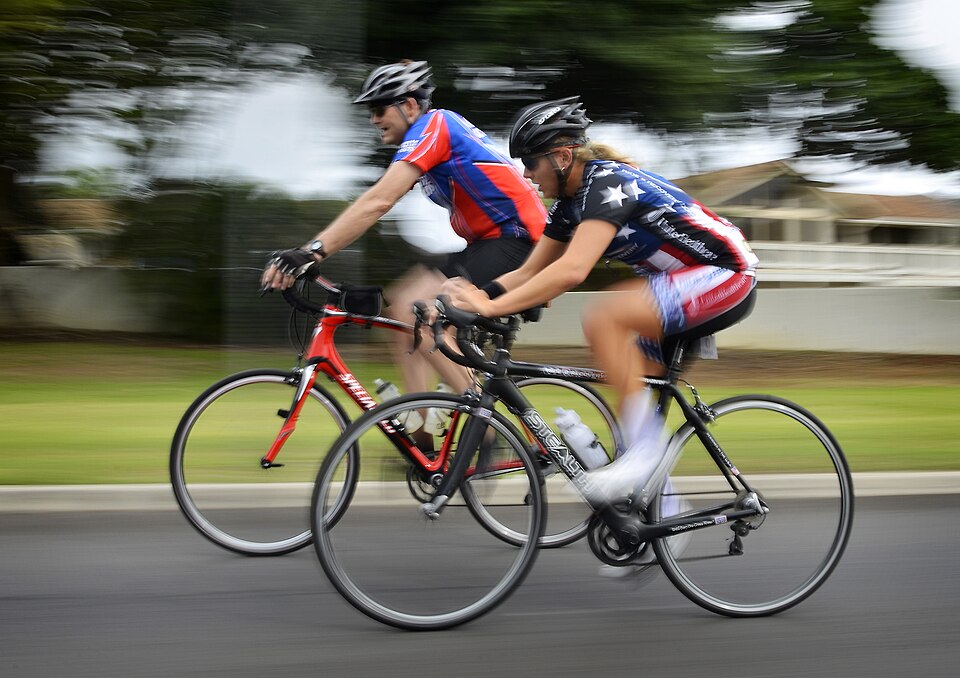
30-60 Minute Post-Ride Window: Why Timing Matters
The 30-60 minute post-ride window represents the peak period for glycogen synthase enzyme activity, when muscles are most receptive to carbohydrate uptake. Missing this window can reduce glycogen restoration by up to 50%, extending recovery time from hours to days. For stage races, immediate consumption ensures muscles are primed for the next day’s effort, while delayed intake may compromise performance in consecutive days of competition.
Research from the European Journal of Applied Physiology demonstrates that consuming carbohydrates within 30 minutes post-exercise can increase glycogen synthesis rates by 45% compared to waiting 2 hours. This translates to approximately 50% faster recovery between training sessions or race stages. The window remains open for up to 60 minutes, but the rate of glycogen uptake decreases progressively after the first 30 minutes.
For multi-day events, the timing becomes even more critical as cumulative glycogen depletion can impair performance on later stages. Studies show that athletes who consume recovery drinks within 30 minutes post-stage maintain power output 15-20% better on subsequent days compared to those who delay consumption by even 60 minutes. This timing advantage can be the difference between maintaining competitive performance throughout a stage race versus experiencing progressive power decline.
Electrolytes and Anti-Inflammatories: Complete Recovery Formula
-
Sodium: Replaces sweat losses, maintains fluid balance, recommended 500-1000mg per hour of exercise
-
Potassium: Supports muscle function and nerve signaling, 300-600mg recommended post-exercise
-
Magnesium: Reduces cramping, aids energy production, 100-200mg beneficial for recovery
-
Tart cherry juice: Reduces muscle soreness by 25% in studies, contains anthocyanins that combat inflammation
Whey isolate provides the fastest protein absorption rate at approximately 10g per hour, while plant-based blends absorb at 6-8g per hour. Anti-inflammatory compounds like tart cherry extract can reduce delayed onset muscle soreness, allowing cyclists to maintain training intensity during heavy blocks. The Science in Sport Beta Recovery drink includes these electrolytes in optimal ratios for sweat replacement during long rides.
Elite athletes often combine recovery drinks with tart cherry juice or supplements containing curcumin for enhanced anti-inflammatory effects. Research published in the Scandinavian Journal of Medicine & Science in Sports found that tart cherry consumption reduced muscle pain and strength loss by 50% over a 7-day period following intense exercise. For stage races, this translates to better power maintenance on subsequent days and reduced injury risk from accumulated fatigue.
The most surprising finding is that chocolate milk outperforms many premium recovery drinks in head-to-head studies, yet costs significantly less. For immediate action, try consuming 2g of carbohydrates per kg of body mass within 30 minutes post-ride using chocolate milk or a 4:1 ratio recovery drink to maximize your next-day performance. This simple strategy can improve recovery quality by 30-40% compared to ad-hoc post-ride nutrition approaches.