Cycling training for beginner women involves building a solid, safe, and sustainable routine that starts with confidence-boosting basics rather than immediate high-intensity efforts. The core of beginner training is to develop a consistent habit, focusing on enjoyment while gradually increasing endurance.
- Professional bike fit is essential for women beginners to ensure comfort and prevent injuries
- Start with 30-60 minute rides at conversational pace, 2-4 times per week
- Invest in women-specific padded shorts and a properly fitted helmet as your most important gear
Essential Gear for Women Beginners
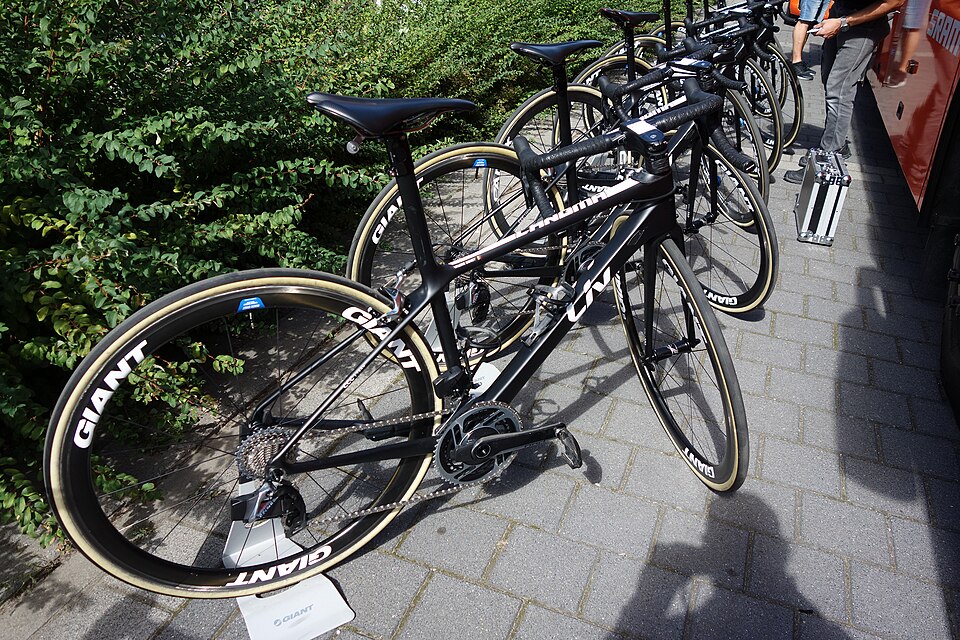
Women-Specific Padded Shorts and Helmet
Women’s cycling shorts feature padding specifically designed for wider sit bones and different pelvic anatomy. The chamois (padding) is positioned to provide comfort where women need it most, with cut-outs that reduce pressure on sensitive areas. Quality women’s shorts use moisture-wicking fabrics that prevent chafing during longer rides.
A helmet is non-negotiable safety gear that protects your head in case of falls or collisions. Women-specific helmets often feature smaller sizes and different color options, but the most important factor is proper fit. Look for helmets with MIPS technology for added protection against rotational impacts.
Women-specific saddle designs incorporate pressure relief channels and wider rear sections to accommodate anatomical differences. These features prevent numbness and discomfort during longer rides, making your cycling experience more enjoyable and sustainable.
Additional Clothing and Safety Essentials
Moisture-wicking jerseys with rear pockets provide convenient storage for essentials like energy gels, keys, and your phone. These technical fabrics keep you dry by pulling sweat away from your skin, preventing chills during cooler rides or overheating in warm weather. For a complete breakdown of what you need, see Essential Cycling Gear for Women: What You Really Need to ensure you’re properly equipped.
Bright lights and reflectors are crucial for visibility, especially during dawn, dusk, or cloudy conditions. Front white lights and rear red lights make you visible to motorists from hundreds of feet away. Reflective strips on clothing, shoes, and accessories provide additional safety by catching headlights.
A flat repair kit should include a spare tube, tire levers, mini-pump or CO2 canister, and a patch kit. These items fit easily in a jersey pocket or small saddle bag. Learning to fix a flat tire is an essential skill that prevents being stranded miles from home. Regular maintenance using a Complete Bike Maintenance Checklist Every Cyclist Should Follow will keep your bike in top condition.
Professional Bike Fit for Women
Why Women Need Professional Fitting
Women often have longer legs and shorter torsos compared to men of the same height, requiring different frame geometry for optimal comfort and performance. Professional fitting ensures your bike frame matches your body proportions, preventing common issues like knee pain, back strain, and hand numbness. A proper fit also improves power transfer and handling, making your rides more efficient and enjoyable.
Professional fitting adjustments include stem length to achieve the right reach to handlebars, saddle position for optimal leg extension, and handlebar width that matches shoulder width. Women typically benefit from narrower handlebars and shorter stem lengths than standard men’s bikes provide. These adjustments prevent overreaching and reduce strain on your neck and shoulders during long rides.
Women-specific frame designs often feature sloping top tubes for easier mounting and dismounting, shorter reach to handlebars, and different standover heights. These geometry changes make the bike more comfortable and controllable, especially for beginners who are still developing confidence on two wheels. A professional fitting can identify which of these features will benefit you most based on your body measurements and riding goals.
Saddle Selection and Comfort
Women-specific saddles are usually wider to accommodate wider sit bones and provide better weight distribution. The additional width prevents pressure points and increases comfort during longer rides. Quality women’s saddles also feature pressure relief channels or cut-outs that reduce pressure on soft tissue areas, preventing numbness and discomfort.
Saddle height and angle significantly impact comfort and efficiency. A saddle that’s too high causes hip rocking and knee strain, while one that’s too low reduces power output and causes knee pain. The ideal angle tilts slightly downward for women to reduce pressure on sensitive areas. Professional fitting helps determine the perfect saddle position for your anatomy and riding style.
Different riding positions require different saddle shapes. An upright position for casual riding needs a wider, more padded saddle, while a more aggressive racing position benefits from a narrower design. Women’s specific saddles come in various widths and shapes to match different riding styles and body types. Testing different options with professional guidance ensures you find the most comfortable fit for your needs.
Beginner Training Strategy and Safety
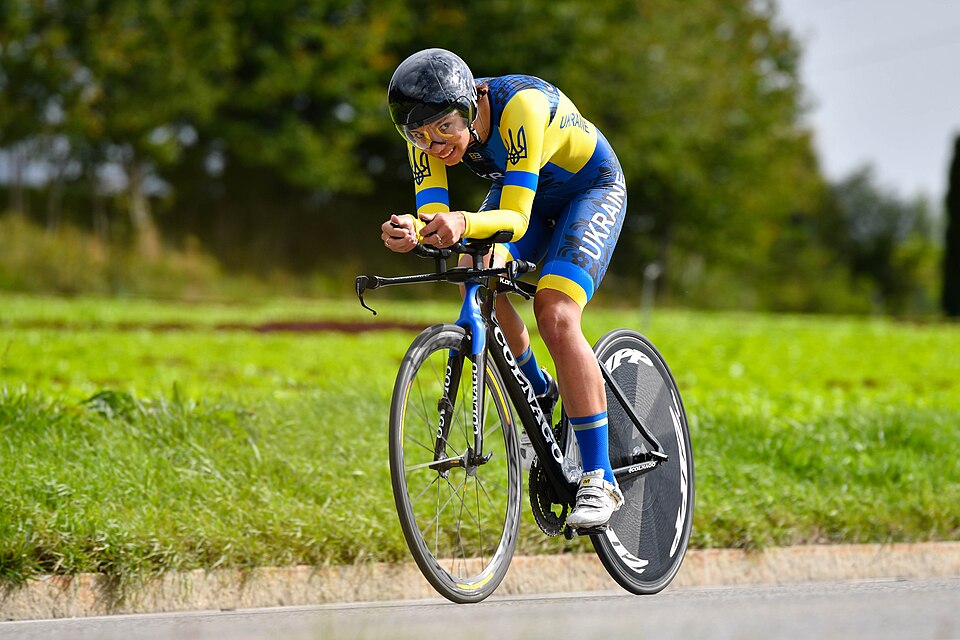
Starting Your Training: Volume Over Speed
Start with 30-60 minute rides at a comfortable pace, 2-4 times per week. The goal is to build time in the saddle, not to set speed records. This approach allows your body to adapt gradually to the new activity while developing cardiovascular fitness and muscular endurance. Keep your pace conversational, meaning you can talk comfortably with someone next to you without gasping for breath. For inspiration on where to ride, explore Finding the Best Cycling Routes Near You: A Local Guide to discover local trails and paths.
Increase your total weekly riding time by roughly 10% each week to avoid overuse injuries. This gradual progression allows your muscles, joints, and connective tissues to strengthen safely. For example, if you ride 2 hours total in week one, aim for 2.2 hours in week two, then 2.4 hours in week three. This steady increase prevents the common beginner mistake of doing too much too soon. For a structured approach, follow this Beginner Cycling Training Plan: Build Your Fitness Safely to progress effectively.
Track your progress using a simple cycling computer or smartphone app to monitor distance, time, and average speed. These metrics help you see improvement over time and stay motivated. Focus on consistency rather than intensity in the beginning. Regular shorter rides build a stronger foundation than occasional long, exhausting sessions that might lead to burnout or injury — road cycling.
Safety Tips and Bike Handling Skills
Practice in safe areas like empty parking lots or quiet neighborhood streets before venturing into traffic. These controlled environments let you practice essential skills like starting, stopping, turning, and shifting gears without pressure. For more structured guidance, check out Essential Cycling Tips for Beginners Starting Their Journey to build confidence gradually.
Learn hand signals and hazard communication to ride safely with others. Standard signals include left arm straight out for left turns, right arm straight out for right turns, and left arm down with palm back for stopping. Point out hazards like potholes, gravel, or debris to alert riders behind you. Clear communication prevents accidents and builds trust within riding groups.
Use front white lights and rear red lights even during daylight hours for maximum visibility. Modern LED lights are bright enough to be seen from hundreds of feet away in all conditions. Wear bright or fluorescent clothing to increase your visibility to motorists. These simple precautions significantly reduce your risk of accidents and make your rides safer and more enjoyable.
The most surprising finding for many beginner women cyclists is how much mental confidence matters compared to physical fitness in the early stages. Many women discover they can ride farther and faster than they initially believed possible once they overcome the psychological barrier of “I’m not athletic enough.” The key action step is to schedule your first three rides this week, even if they’re just 20-minute neighborhood loops. Consistency beats intensity every time when building a sustainable cycling habit.
Frequently Asked Questions About Cycling Training For Beginners Women
What is the best training method for cycling beginners?
A combination of endurance and interval training is most effective. Ride longer distances regularly to build endurance, then add short, high-intensity intervals to improve speed and power.
How many hours should a beginner woman train for cycling each week?
Beginners should aim for 3-6 hours per week. This allows for consistent progress without overtraining, focusing on building a solid fitness foundation.
Is cycling good for neuropathy in the feet?
Yes, cycling is beneficial for neuropathy as it improves blood circulation while being low-impact, reducing stress on the joints and feet.