Road bike tire rolling resistance—the energy lost as tires deform and recover with each rotation—is a critical factor in road cycling speed, accounting for about 10% of total resistance. Understanding and optimizing this resistance can significantly improve your cycling efficiency and speed.
Key takeaway
- Rolling resistance accounts for 10% of total cycling resistance—reducing it directly increases speed
- Wider tires (25–28mm) and lower pressure often provide better efficiency than traditional narrow, high-pressure setups
- Switching to latex or TPU tubes saves 2–5 watts per wheel—a low-cost performance upgrade
What is Road Bike Tire Rolling Resistance and Why It Matters
The Science Behind Rolling Resistance
Rolling resistance occurs when a tire deforms as it contacts the road surface, then recovers its shape as it rotates. This continuous deformation and recovery process wastes energy that could otherwise propel you forward. According to research from the SAE International Journal of Passenger Cars – Mechanical Systems (2018), this energy loss happens primarily through hysteresis—the internal friction within the tire material as it flexes and returns to shape.
The resistance force depends on several factors including tire construction, pressure, width, and road surface. A typical road bike tire might have a rolling resistance coefficient around 0.01, meaning it takes 0.01 pounds of force to tow a one-pound vehicle. For a 180-pound rider and bike, that translates to about 1.8 pounds of continuous resistance force just from tire rolling.
How Rolling Resistance Affects Your Speed
The 10% figure represents rolling resistance’s share of total cycling resistance, which includes air drag, mechanical friction, and gravity on climbs. While 10% might seem small, it compounds over long rides. A cyclist maintaining 20 mph might be losing 2-3 mph to rolling resistance alone. Reducing this by even 20% through proper tire selection and pressure could add 0.4-0.6 mph to your average speed without any increase in effort.
Consider a 50-mile ride at 20 mph: you’d spend 2.5 hours on the bike. With 10% of that energy going to rolling resistance, you’re losing approximately 15 minutes of riding time to tire inefficiency. Cut that by 20% and you’ve gained 3 minutes—enough to catch that breakaway group or finish your weekend century with energy to spare.
Tire Width and Pressure Optimization for Maximum Efficiency
Why Wider Tires (25–28mm) Are Faster
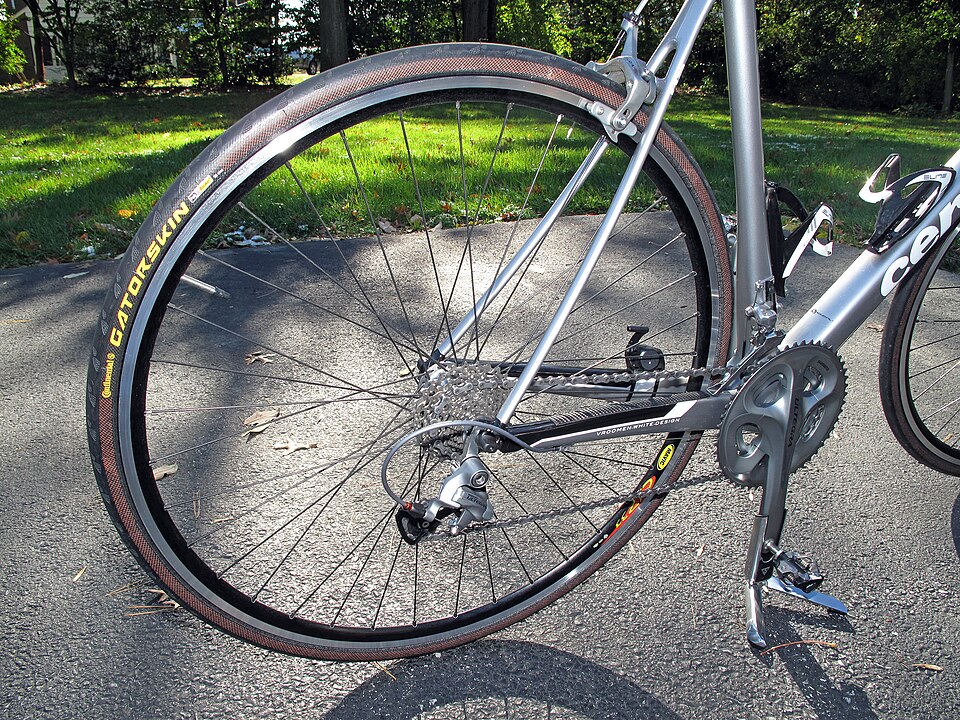
Modern testing indicates that wider tires (25–28mm) often offer better efficiency and lower rolling resistance on road surfaces than traditional narrow tires. Three key advantages make wider tires superior:
Reduced “lightbulb” shape: Narrow tires under pressure form a pronounced lightbulb shape when loaded, creating more deformation and energy loss. Wider tires maintain a more rounded profile, reducing this effect. The contact patch becomes more uniform, distributing load across a larger area and requiring less energy to maintain shape.
Improved airflow: When matching the 105% rim rule (tire width approximately 105% of rim internal width), wider tires create smoother airflow around the wheel, reducing aerodynamic drag. This synergy between rim and tire width can actually make wider setups faster despite the larger frontal area.
Decreased energy loss from deformation: The larger air volume in wider tires allows them to maintain shape better under load, requiring less energy to deform and recover. This translates to watts saved over long rides—often 2-3 watts compared to narrow tires at the same pressure.
The Pressure Myth: Why Higher Isn’t Always Faster
Higher pressure is not always faster. Over-inflated tires cause the bike to bounce on less-than-perfect roads, increasing energy loss, also known as “impedance loss.” When tires are too hard, they can’t absorb road imperfections, causing the entire bike to vibrate and lose forward momentum with each bump.
This bouncing motion wastes energy that should be going into forward motion. On rough roads, over-inflated tires can actually be slower than properly inflated wider tires. The key is finding the sweet spot where the tire maintains shape without bouncing. Research from Wheel Energy Oy (2016) showed that on typical asphalt roads, the fastest pressure is often 10-15 psi lower than what most cyclists use.
Finding Your Optimal Pressure
Lower pressure (tailored to rider weight and road conditions) can improve surface contact and lower rolling resistance. Here are general guidelines:
Rider weight 130-150 lbs: 80-85 psi for 25mm tires, 75-80 psi for 28mm tires
Rider weight 151-180 lbs: 85-90 psi for 25mm tires, 80-85 psi for 28mm tires
Rider weight 181-210 lbs: 90-95 psi for 25mm tires, 85-90 psi for 28mm tires
Rough roads: Reduce pressure by 5-10 psi from these recommendations
Smooth tarmac: You might go slightly higher, but avoid exceeding 100 psi for road tires
Temperature also affects pressure—tires gain about 2 psi for every 10°F temperature increase. Check pressure when tires are cold for accurate readings. A quality floor pump with a pressure gauge is essential for maintaining optimal pressure.
Proven Upgrades to Reduce Rolling Resistance
Latex and TPU Tubes: The 2–5 Watt Upgrade
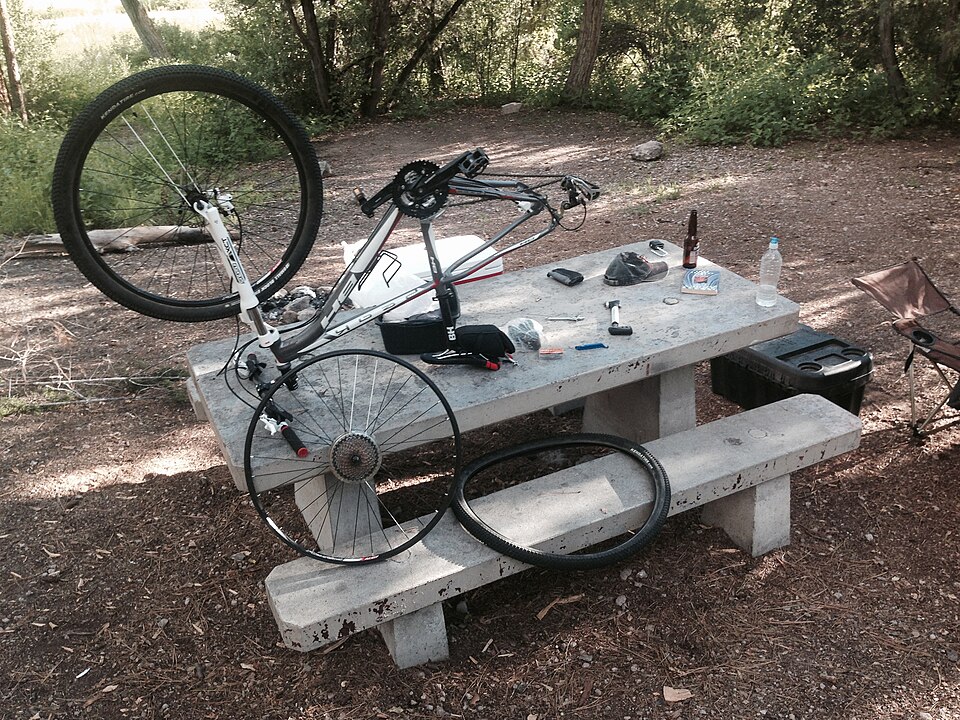
Switching from standard butyl tubes to latex or TPU (Thermoplastic Polyurethane) inner tubes is a highly effective, low-cost way to reduce rolling resistance and weight, saving 2–5 watts per wheel. Here’s how they compare:
Butyl tubes: Standard, inexpensive, hold air well but have higher rolling resistance due to thicker walls and less supple material. They typically weigh 80-100 grams per tube.
Latex tubes: More supple, lighter weight (60-80 grams), reduce rolling resistance by 2-3 watts per wheel. They lose air faster but provide immediate performance benefits. Cost: $15-25 per tube.
TPU tubes: Newest technology, extremely lightweight (35-50 grams), reduce rolling resistance by 3-5 watts per wheel. More expensive ($30-50 per tube) but offer the best performance. They’re also more puncture-resistant than latex.
The cost-to-benefit ratio strongly favors latex tubes for most riders, with TPU being worth it for competitive cyclists seeking every advantage. For a typical rider, latex tubes pay for themselves in performance gains within a few rides.
Top Performance Tires for Low Rolling Resistance
Tires with low rolling resistance include models with advanced rubber compounds. Here are three top performers:
Pirelli P ZERO Race RS: Features SmartNET Silica compound and TechWALL casing, offering excellent rolling efficiency with good puncture protection. The 28mm version weighs 270 grams and has a rolling resistance coefficient of 0.0032.
Continental Grand Prix 5000: Uses BlackChili compound and Vectran breaker, providing low rolling resistance with exceptional durability and grip. The 25mm version weighs 250 grams and has a rolling resistance coefficient of 0.0031.
Schwalbe Pro One: Incorporates MicroSkin carcass and Addix Race compound, delivering fast rolling performance with tubeless compatibility. The 28mm version weighs 285 grams and has a rolling resistance coefficient of 0.0033.
These tires represent the current state-of-the-art in road tire technology, each offering unique advantages in rolling resistance, durability, and puncture protection.
Supple Casings and Tread Patterns
High-TPI (threads per inch) casings are generally more supple, leading to lower rolling resistance. A 300+ TPI casing flexes more easily than a 60 TPI casing, reducing energy loss during deformation. The difference can be 2-4 watts between a high-TPI and standard casing tire.
Slick or near-slick tread patterns are generally faster on tarmac as grip comes from the rubber compound rather than tread pattern. Tread patterns designed for off-road use actually increase rolling resistance on pavement by creating unnecessary deformation. The raised tread blocks squirm under load, wasting energy that could be used for forward motion.
The combination of high TPI casing and slick tread can reduce rolling resistance by 15-20% compared to standard tires with lower thread counts and textured treads. This translates to 3-5 watts saved at typical road speeds, which compounds to significant time savings over long distances.
The biggest surprise? Most cyclists over-inflate their tires by 10-15 PSI, costing them 2-3 watts of speed. This weekend, check your pressure with a quality gauge and consider upgrading to latex tubes—you’ll immediately feel the difference in rolling efficiency and comfort. For maximum benefit, pair wider tires (25-28mm) with properly adjusted pressure and supple latex tubes to potentially save 5-7 watts immediately, translating to noticeable speed gains on your regular routes. For more information on maintaining your bike, check out our Complete Bike Maintenance Checklist Every Cyclist Should Follow.