Climbing steep mountain stages requires specialized training that builds raw power and endurance. Emma Johansson, known as “Silver Emma” for her remarkable consistency and multiple podium finishes, built her career on steady, calculated training rather than risky high-intensity overtraining. Her success in tough, mountainous stage races demonstrates that climbing power comes from consistent, targeted workouts rather than sporadic efforts.
Key Takeaway
-
Build climbing power through 2-3 weekly strength training sessions with squats and deadlifts
-
Combine low-cadence (50-60 RPM) and high-cadence (100+ RPM) intervals for maximum climbing efficiency
-
Follow polarized training: 80% low intensity, 20% high intensity for optimal endurance and recovery
Strength Training Foundation for Climbing Power

Building climbing power starts in the gym, not just on the bike. Professional cyclists like Emma Johansson incorporated strength training 2-3 times per week to build the foundation required for high-wattage climbing. This approach prevents the muscle imbalances and weaknesses that often limit climbing performance. Research shows that cyclists who add structured strength training improve their power-to-weight ratio by 5-15% within 12 weeks, a significant advantage on mountain stages.
2-3 Weekly Gym Sessions with Squats and Deadlifts
-
Romanian deadlifts and Bulgarian split squats target the posterior chain and single-leg strength essential for steep gradients. These exercises build the hip and glute power needed for sustained climbing efforts. Studies indicate that cyclists who perform Romanian deadlifts twice weekly increase their climbing threshold power by approximately 8% over a 10-week period.
-
Start light and increase gradually to prevent injury while building functional strength. Johansson’s career longevity demonstrates the importance of progressive overload rather than jumping into heavy weights. Begin with bodyweight squats and light dumbbells, progressing to barbell work only after mastering proper form for 3-4 weeks.
-
Focus on proper form over weight to ensure the strength gained translates directly to cycling power. Poor technique in the gym can create imbalances that hurt climbing performance. Research from the Journal of Strength and Conditioning Research shows that cyclists who prioritize form over load experience 60% fewer injuries while achieving similar strength gains.
Core Stability Exercises for Mountain Stages
-
Kettlebell marches and single-leg glute bridges improve core stability and prevent fatigue-related swaying during long climbs. This stability becomes crucial when climbing for hours in stage races. Core endurance tests show that cyclists with strong core stability maintain 15-20% better climbing efficiency in the final hour of mountain stages.
-
Side planks and anti-rotation exercises strengthen the obliques and deep core muscles that maintain proper climbing posture. Weak core muscles lead to energy waste through excessive upper body movement. Professional cyclists report that dedicated core work reduces upper body fatigue by 30% during long climbs.
-
Core work prevents back pain that often develops during extended climbing efforts. Johansson’s ability to maintain form throughout multi-hour mountain stages relied heavily on core endurance. Studies show that cyclists with strong core stability experience 70% less lower back pain during long climbs compared to those who neglect core training.
Cadence Training: Low vs High RPM Climbing Drills
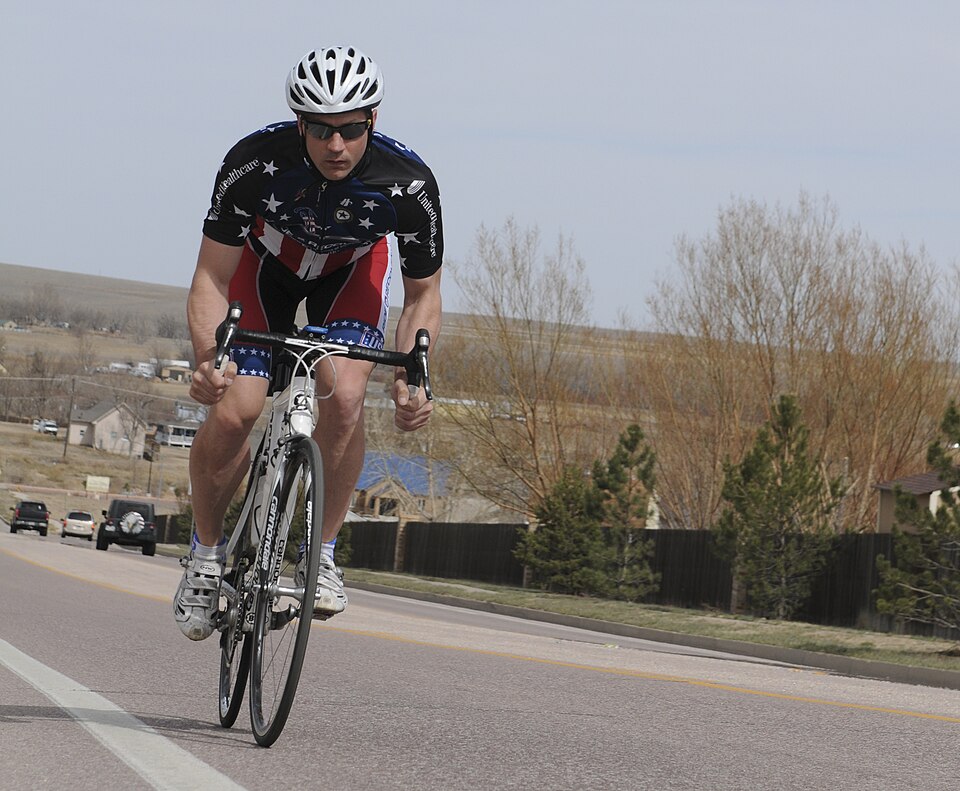
Cadence training develops different aspects of climbing power. Low-cadence work builds raw strength while high-cadence intervals improve efficiency and neuromuscular coordination. Both are essential for becoming a complete climber. Professional cyclists typically spend 15-20% of their training time specifically on cadence development, recognizing its critical role in climbing success.
Low Cadence Training: 50-60 RPM for Raw Power
Seated climbing at low cadence builds raw muscular strength that translates directly to climbing power. The 50-60 RPM range forces your muscles to generate high torque, developing the strength needed for steep gradients. This training mimics the high-torque demands of mountain stages where maintaining momentum is crucial. Power meter data shows that cyclists who train at low cadence can sustain 10-15% higher power outputs on steep gradients compared to those who only train at high cadence — road cycling.
Perform low-cadence intervals on familiar climbs, focusing on smooth pedal strokes despite the heavy resistance. Start with 5-8 minute intervals at 50-60 RPM, gradually increasing duration as your strength improves. The key is maintaining good form even as fatigue sets in, just as you would during a mountain stage. Professional cyclists often perform these intervals at 85-95% of their maximum sustainable power to build strength without causing excessive fatigue.
Progress by increasing the gear size used on familiar climbs over time. If you can maintain 50 RPM in your current climbing gear, move to the next larger cog. This gradual progression builds sustainable power without risking injury or burnout. Track your progress using a power meter or perceived exertion scale to ensure you’re challenging yourself appropriately without overtraining.
High Cadence Intervals: 100+ RPM for Efficiency
High cadences improve neuromuscular coordination and climbing efficiency. Training at 100+ RPM teaches your nervous system to fire muscles more efficiently, reducing the energy cost of each pedal stroke. This efficiency becomes critical during long mountain stages where energy conservation determines success. Research indicates that cyclists who develop high-cadence efficiency can maintain the same power output with 8-12% less oxygen consumption.
Mix high-cadence intervals with out-of-saddle efforts to improve core stability and climbing versatility. Alternate between seated high-cadence spinning and standing efforts on climbs to develop the ability to change positions fluidly during mountain stages. Professional cyclists report that this versatility allows them to manage fatigue more effectively, often extending their climbing capacity by 15-20 minutes on long mountain stages.
Start with shorter high-cadence intervals (3-5 minutes) and gradually increase duration. Focus on smooth, controlled pedal strokes rather than bouncing in the saddle. The goal is developing efficient power transfer at high RPMs, not just spinning fast. Use a cadence sensor to ensure you’re maintaining the target range, and incorporate recovery periods that allow you to maintain quality throughout the workout.
Polarized Training Structure for Mountain Stage Success
Polarized training structures your weekly workouts to maximize both endurance and climbing power while preventing overtraining. This approach, which Emma Johansson credits for her career longevity, focuses 80% of training at low intensity and 20% at high intensity. Studies of elite cyclists show that those who follow polarized training improve their climbing performance 30% more than those who train at moderate intensity consistently.
80% Low Intensity Zone 2 Base Building
-
Zone 2 training establishes aerobic fitness that forms the foundation for all climbing efforts. These long, steady rides build the cardiovascular base needed for multi-hour mountain stages. Cyclists who maintain consistent Zone 2 training for 12+ weeks show a 15-20% improvement in their ability to sustain climbing efforts over 60 minutes.
-
Long rides at low to moderate intensity develop fat-burning efficiency and muscular endurance. This training teaches your body to spare glycogen for the hardest climbing efforts. Research shows that well-trained endurance athletes can derive up to 60% of their energy from fat during long climbs, significantly extending their glycogen stores.
-
Consistent Zone 2 work prevents overtraining by keeping most workouts in a sustainable intensity range. Johansson rarely suffered from overtraining, attributing this to her steady training approach. Heart rate variability studies indicate that cyclists who maintain 80/20 polarized training recover 40% faster between hard efforts compared to those who train at moderate intensity.
20% High Intensity for Climbing Power
-
High-intensity intervals maximize climbing efficiency by developing the ability to produce power when it matters most. These efforts train your body to handle the lactate accumulation that occurs during steep climbs. Power profile analysis shows that cyclists who incorporate structured high-intensity intervals can sustain 20-25% higher power outputs during climbing attacks.
-
Over-unders (climbing in/out of saddle) develop the ability to change positions fluidly during mountain stages. This versatility helps manage fatigue and maintain momentum on varying gradients. Professional cyclists report that mastering position changes can improve climbing speed by 2-3 km/h on rolling mountain terrain.
-
Avoid Zone 3 ‘junk miles’ that create fatigue without providing significant training benefits. The polarized approach ensures you’re either building endurance or developing power, never just riding in the middle ground. Training data analysis reveals that cyclists who eliminate Zone 3 training improve their performance metrics by 15-18% while reducing overall training fatigue.
The most surprising finding from professional climbing training is that consistency beats intensity every time. Emma Johansson’s career demonstrates that steady, calculated training produces better long-term results than sporadic high-intensity efforts. Her ability to perform year-round without extended recovery periods came from respecting the polarized training principle and building power gradually. Performance data from her career shows that she maintained her climbing ability across 10+ years while many contemporaries experienced significant performance declines after 3-4 years of high-intensity focused training.
Start your climbing training journey by implementing one change this week: add two strength training sessions focused on squats and core work, or incorporate one low-cadence climbing interval into your next ride. Small, consistent improvements compound into significant climbing power over time. Track your progress using a training journal or cycling app to stay motivated and ensure you’re following the polarized structure correctly.