Professional road bike tire installation focuses on techniques that ensure a secure fit, prevent pinch flats, and make mounting tight tires easier. The most critical technique is ensuring that the tire bead on both sides sits in the deepest part of the rim well, not on the outer edge, as you work the last section on. This creates maximum slack and reduces the diameter of the area you are fighting.
Key Takeaway
-
The ‘deep well’ method is the most critical technique for professional tire installation, ensuring maximum slack by seating the tire bead in the rim’s deepest part
-
Starting/ending installation at the valve and using soapy water lubrication are professional techniques that make mounting tight tires easier
-
Partially inflating the tube before final installation prevents pinch flats and ensures a secure fit
The Deep Well Method: Professional Tire Installation Secret
Why the Deep Well Method is Critical for Perfect Fit
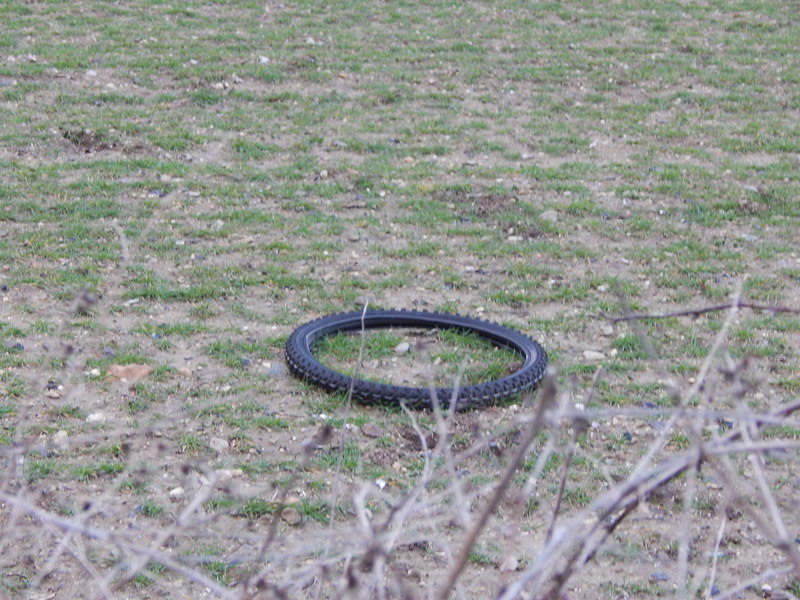
The deep well method is the cornerstone of professional tire installation. When mounting a tire, most cyclists make the critical mistake of trying to force the last section of the bead over the rim edge while it’s sitting on the outer rim wall. This creates maximum tension and makes the job nearly impossible. The deep well technique solves this by ensuring the tire bead on both sides sits in the deepest part of the rim well throughout the installation process.
This technique works because it reduces the effective diameter of the area you’re working with. When the bead sits in the rim’s central channel, you’re fighting against a smaller circumference, creating maximum slack. Think of it like trying to stretch a rubber band around a smaller circle versus a larger one—the smaller circle requires less force. This method is particularly crucial for tight-fitting tubeless-ready tires that can be stubborn to mount.
The physics behind this technique is simple yet powerful. By keeping the bead in the deepest part of the rim, you’re essentially creating a temporary slack zone that allows you to work the final section over the edge with minimal effort. This prevents damage to both the tire and rim while ensuring a proper, even seat around the entire circumference.
Step-by-Step Deep Well Installation Process
Start by mounting the first bead of the tire onto the rim completely. Many professionals recommend starting opposite the valve stem, though some prefer starting at the valve. The key is consistency and ensuring the bead stays in the deep well throughout the process.
Insert the inner tube, slightly inflated just enough to hold its shape. This prevents the tube from getting twisted or caught under the bead. Begin seating the second bead from the side opposite the valve, working in both directions simultaneously toward the valve. This balanced approach ensures even tension around the tire.
As you work around the rim, constantly check that both beads remain in the deepest part of the rim well. When you reach the final section near the valve, this is where the deep well method becomes critical. Before attempting to mount the last section, push the tire beads on both sides down into the rim’s central channel. This creates the maximum slack needed to easily roll the final section over the rim edge.
The last section often requires the most force, but with the deep well method, it becomes manageable. Use your palms rather than thumbs to push the final section over, rolling it over the edge while standing. The difference in effort compared to traditional methods is remarkable—what might take minutes of struggling becomes a smooth, controlled process.
Professional Lubrication and Inflation Techniques
Soapy Water and Sealant: Making Tight Tires Slide On
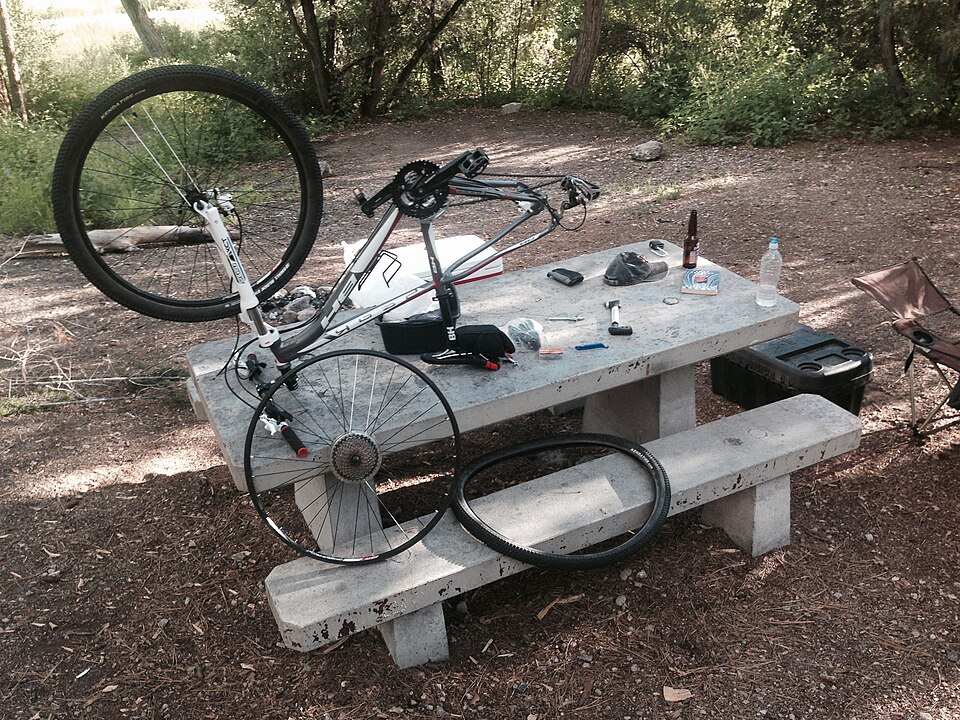
Lubrication is a game-changer for professional tire installation, especially when dealing with tight-fitting tubeless-ready tires. A light solution of soapy water or tire sealant applied to the rim hook and tire bead acts as a temporary lubricant that allows the tire to slide into place with minimal effort. This technique is particularly useful for stubborn tires that resist traditional mounting methods.
The soapy water solution should be mild—just a few drops of dish soap in a spray bottle filled with water. Spray the solution onto the rim hook where the tire bead will seat, as well as on the tire bead itself. The soap reduces friction without leaving a residue that could affect tire performance once installed. For tubeless-ready tires, some professionals prefer using tubeless sealant as the lubricant, as it serves double duty by helping with installation and providing immediate sealing capability.
This lubrication technique is especially valuable in professional bike shops where time efficiency matters. What might take a novice cyclist 15-20 minutes of struggling can be accomplished in under 5 minutes with proper lubrication. The soap solution evaporates as the tire seats, leaving no impact on the tire’s grip or performance characteristics.
Beyond soapy water, some professionals use specialized tire mounting lubricants or even a light coating of talc on the tube for clincher tires. The key principle remains the same: reducing friction during the critical mounting phase while ensuring the final result is unaffected by the temporary aid used during installation.
The Palm Method: Professional Final Seating Technique
The palm method represents a fundamental shift in how professionals approach the final stages of tire installation. Instead of using thumbs to push the tire bead over the rim edge—a technique that leads to fatigue and often fails with tight tires—professionals use the heels of their hands to roll the tire into place. This method leverages body weight and larger muscle groups for more effective force application.
To use the palm method effectively, stand with the wheel in front of you, holding it by the axle or quick-release lever. Use the heel of one hand to push the tire bead while the other hand stabilizes the wheel. The rolling motion, rather than a pushing motion, allows you to gradually work the bead over the rim edge. This technique is particularly effective for the final, tightest section of the tire.
The palm method offers several advantages over thumb-based techniques. First, it reduces hand fatigue significantly, allowing you to maintain consistent pressure throughout the installation. Second, it provides better leverage by engaging larger muscle groups in your arms and shoulders. Third, it gives you more control over the rolling motion, reducing the risk of pinching the tube or damaging the tire bead.
For extremely tight tires, some professionals combine the palm method with the deep well technique, creating a powerful one-two punch that makes even the most stubborn tires manageable. The key is patience and consistent pressure—forcing the issue rarely works, but steady, controlled application of force using proper technique almost always succeeds.
Preventing Pinch Flats: Professional Pre-Installation Steps
Partial Inflation: The Secret to Pinch Flat Prevention
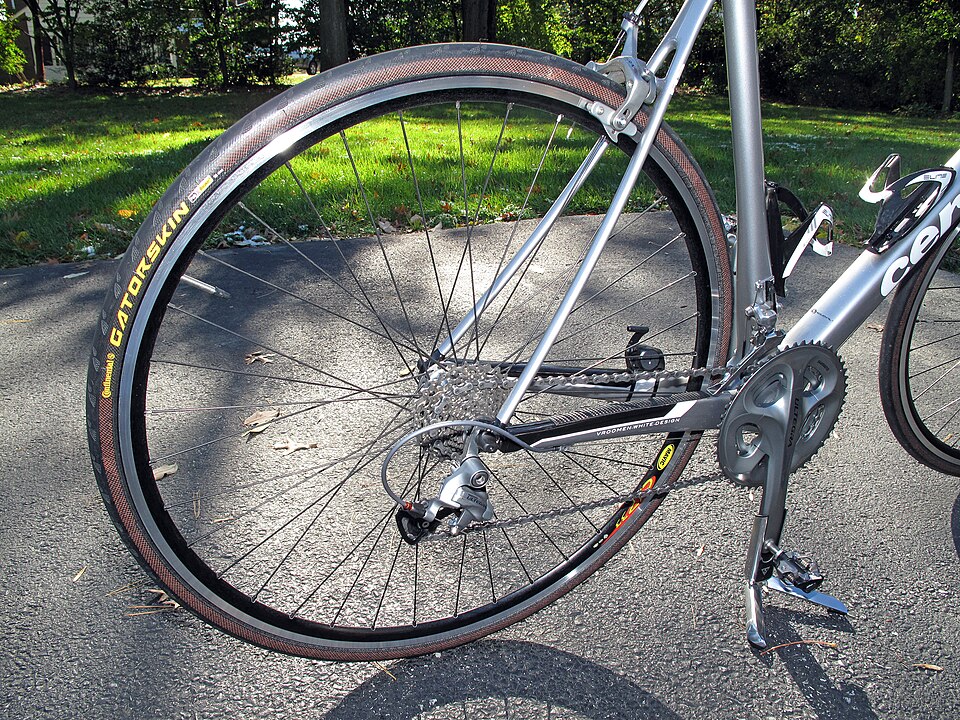
Partial inflation of the inner tube before final installation is perhaps the most overlooked yet crucial step in professional tire mounting. This simple technique prevents the number one cause of pinch flats—the tube getting caught between the tire bead and rim during installation. By partially inflating the tube, you give it structure and shape that prevents it from migrating to where it shouldn’t be.
The correct amount of inflation is just enough to give the tube a rounded shape—typically 5-10 PSI for a road bike tube. This is not about achieving riding pressure but rather about creating enough structure to hold the tube’s shape. A partially inflated tube maintains its position within the tire cavity and resists being pushed into dangerous pinch zones during the mounting process.
This technique works because it addresses the fundamental problem of tube migration. An uninflated tube is like a plastic bag—it can move anywhere and get caught in pinch points. A partially inflated tube maintains its volume and position, creating a buffer zone that prevents the bead from crushing it against the rim. This is especially important for the final section of installation where most pinch flats occur.
Beyond preventing pinch flats during installation, partial inflation also makes it easier to check for proper tube positioning before final inflation. You can feel around the tire and ensure the tube isn’t visible anywhere or caught under the bead. This quality control step, combined with partial inflation, virtually eliminates installation-related tube damage.
Professional Installation Checklist and Final Steps
A professional installation follows a systematic checklist that ensures every critical step is completed correctly. Start by checking the tire’s rotation arrow to ensure it matches the direction of travel—this is crucial for tires with directional tread patterns. Next, verify that the rim tape is secure and covers all spoke holes, as exposed spoke holes can cause punctures.
Avoid using tire levers to install tires if possible, as they can damage the rim or pinch the tube. However, for extremely tight tires, a tire bead jack can be used as a last resort. The key is using these tools only when necessary and with extreme care. Many professionals can install even the tightest tires without tools by mastering the deep well and palm methods.
Before inflating to full pressure, perform a final check by pinching the tire and moving it side-to-side to ensure the tube isn’t stuck under the bead anywhere. This tactile inspection can identify potential problems before they become pinch flats. Listen for the characteristic “popping” sound as the bead seats evenly around the rim during inflation—uneven seating indicates a problem that needs addressing. Following a Complete Bike Maintenance Checklist Every cyclist should follow can help prevent these issues.
Once inflated, check that the tire’s bead is evenly seated all the way around the rim. Misaligned beads can cause uneven wear, poor handling, and even blowouts. A final spin of the wheel should show the tire running true without wobbles or high spots. These professional finishing steps separate amateur installations from those that will provide reliable, trouble-free performance.
What’s most surprising about professional tire installation is how much easier it becomes when you master just a few key techniques. The deep well method alone can reduce installation time by 70% while virtually eliminating the frustration that makes many cyclists dread this task. The combination of proper lubrication, the palm method, and partial inflation creates a system that makes even the tightest tires manageable. The key is patience and consistent pressure—forcing the issue rarely works, but steady, controlled application of force using proper technique almost always succeeds. For more cycling tips for beginners, check out our comprehensive guide.