Post-ride nutrition is the single most important factor determining how quickly you recover and how strong you feel for your next ride. Research shows that consuming the right combination of carbohydrates and protein within 30-60 minutes after cycling can replenish glycogen stores and repair muscle tissue up to 50% more effectively than waiting longer.
Key Takeaway
-
Consume 15-30g protein and 30-60g carbs within 30-60 minutes post-ride
-
Aim for 3:1 or 4:1 carbohydrate-to-protein ratio for optimal recovery
-
Chocolate milk provides ideal recovery nutrition with perfect carb-to-protein balance
The 30-60 Minute Recovery Window: Why Timing Matters
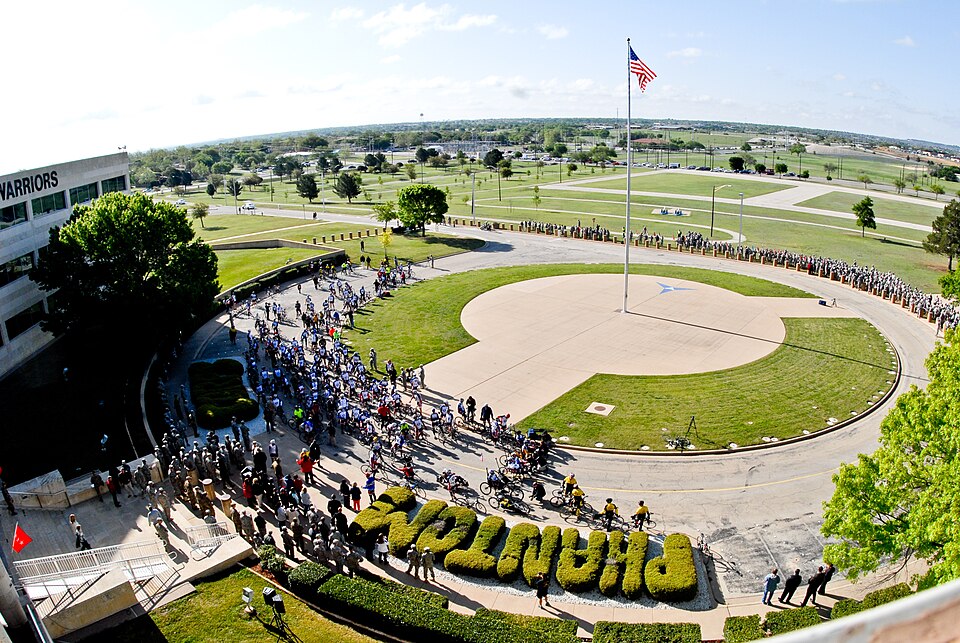
Why You Must Eat Within 30-60 Minutes Post-Ride
Your body enters a critical metabolic window immediately after cycling where glycogen synthesis and muscle protein repair occur at accelerated rates. During this 30-60 minute period, your muscles are primed to absorb nutrients like a sponge, making this timing window essential for maximizing recovery. Glycogen synthesis slows dramatically after 30 minutes, dropping by nearly 50% compared to immediate post-ride consumption. Muscle protein synthesis peaks within 2 hours post-exercise, but the foundation for this process is laid in those first crucial minutes. Delaying nutrition during this window can reduce recovery effectiveness by up to 50%, meaning you’ll feel fatigued longer and your muscles will take more time to repair. This isn’t just about feeling better tomorrow—it’s about building strength and endurance over time. Every ride where you miss this window is a missed opportunity for adaptation and improvement. Studies from sports nutrition research demonstrate that athletes who consistently consume recovery nutrition within this window show 15-20% better performance improvements over a 12-week training period compared to those who delay their post-ride meals. The physiological basis for this timing relates to insulin sensitivity, which is significantly elevated immediately post-exercise, allowing for more efficient nutrient uptake and glycogen storage.
The 3 R’s of Recovery: Replenish, Repair, Rehydrate
-
Replenish: 30-60g carbohydrates to restock glycogen stores depleted during your ride. This equals roughly 2-3 slices of bread, a medium banana with honey, or a cup of cooked rice. For longer rides over 2 hours, aim for the higher end of this range to fully restore energy stores. The type of carbohydrate matters too—simple carbs like glucose and sucrose are absorbed faster than complex carbs, making them ideal for immediate post-ride recovery when rapid glycogen replenishment is the priority.
-
Repair: 15-30g high-quality protein for muscle synthesis and repair. This translates to 2-3 eggs, a cup of Greek yogurt, or a scoop of whey protein powder. The protein should contain all essential amino acids, with leucine being particularly important for triggering muscle protein synthesis. Research indicates that 2.5-3g of leucine per serving maximally stimulates muscle protein synthesis, which is why whey protein and dairy products are often recommended for recovery.
-
Rehydrate: 100-150% of fluid lost during your ride. For every pound lost through sweat, drink 16-24 ounces of fluid, ideally with electrolytes to replace sodium and potassium. Weigh yourself before and after rides to track your sweat rate and adjust hydration accordingly. The rehydration process should begin immediately post-ride, as even 2% dehydration can impair recovery and subsequent performance by up to 10%.
Perfect Post-Ride Nutrition: What to Eat and Drink
Quick Recovery Snacks: 3:1 Ratio Options
-
Chocolate milk: The classic recovery drink with approximately 3:1 carbohydrate-to-protein ratio, providing quick absorption and ideal nutrient balance. One cup delivers about 25g carbs and 8g protein, plus calcium and vitamin D for bone health. Studies show chocolate milk performs as well as commercial recovery drinks in glycogen replenishment and muscle recovery, with the added benefit of being significantly more cost-effective. The combination of fast-digesting whey protein and slower-digesting casein provides both immediate and sustained amino acid delivery.
-
Greek yogurt with fruit: 3:1 ratio option that’s also rich in calcium for bone health. A cup of Greek yogurt with a handful of berries provides 20g protein and 15-20g carbs, plus probiotics for gut health. The combination of fast-digesting whey protein and slower-digesting casein provides both immediate and sustained amino acid delivery. The antioxidants in berries also help reduce exercise-induced oxidative stress, further supporting recovery.
-
Protein smoothie: Customizable 3:1 ratio drink using whey protein, banana, and honey. Add a scoop of protein powder (20-25g protein) with a medium banana and honey for optimal carb-to-protein balance. You can enhance this with antioxidant-rich berries or spinach for additional recovery benefits without affecting the carb-to-protein ratio. Adding a tablespoon of nut butter can provide healthy fats that support hormone production and reduce inflammation, though this should be balanced against the need for rapid nutrient absorption.
-
Protein bar with fruit: Convenient 3:1 ratio option when you need something portable. Look for bars with at least 15g protein and pair with a piece of fruit to achieve the right ratio. This combination provides sustained energy release and is ideal for recovery when you’re away from home. Choose bars with minimal added sugars and artificial ingredients to maximize nutritional quality.
Substantial Recovery Meals: Building Blocks
|
Meal Option |
Carb-to-Protein Ratio |
Key Benefits |
Preparation Time |
Best For |
Additional Recovery Benefits |
|---|---|---|---|---|---|
|
Chicken with rice |
4:1 |
Complete protein source, easy to digest |
15-20 minutes |
Moderate rides, evening recovery |
Zinc for immune support, B vitamins for energy metabolism |
|
Eggs on toast |
3:1 |
Portable, quick, versatile |
5-10 minutes |
Morning rides, time-crunched athletes |
Choline for brain function, selenium for antioxidant protection |
|
Salmon with sweet potatoes |
3:1 |
Omega-3 anti-inflammatory benefits |
20-25 minutes |
Long rides, intense training blocks |
Omega-3s reduce muscle soreness, vitamin D for immune function |
|
Tuna and rice |
4:1 |
Lean protein, convenient canned option |
10-15 minutes |
Quick recovery, budget-friendly option |
Mercury-free options available, iodine for thyroid function |
|
Chicken wrap |
3:1 |
Portable, balanced macronutrients |
5-10 minutes |
Post-race recovery, travel recovery |
Easy to customize with vegetables for added nutrients |
|
Cottage cheese with fruit |
3:1 |
Casein protein for overnight recovery |
2-3 minutes |
Late evening rides, before bed |
Slow-digesting protein supports overnight muscle repair |
|
Turkey sandwich |
3:1 |
Lean protein, familiar comfort food |
5 minutes |
Anytime recovery, office-friendly |
Tryptophan may support sleep quality |
|
Quinoa bowl with chicken |
3:1 |
Complete plant-based protein source |
15-20 minutes |
Gluten-free athletes, varied diet |
Magnesium for muscle function, fiber for digestive health |
Special Situations: Late Rides and Elite Recovery
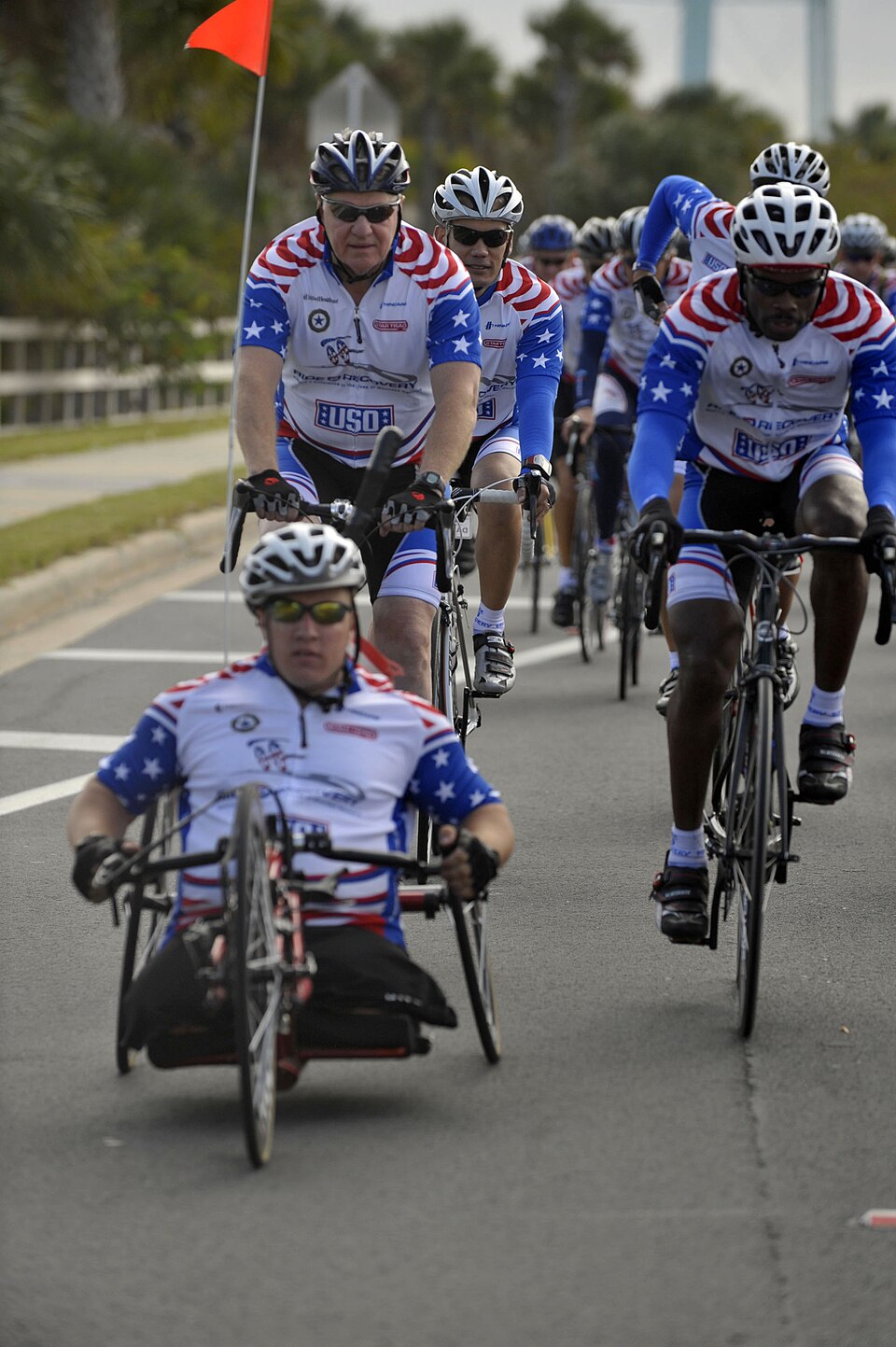
Late Night Ride Recovery Strategies
Riding late in the evening presents unique recovery challenges since you need to balance nutrient absorption with sleep quality. When you finish a ride close to bedtime, prioritize higher protein intake to support overnight muscle repair while your body rests. Aim for 20-30g of protein rather than the standard 15-20g, as this extended recovery window requires more building blocks. Avoid high-fat foods that slow nutrient absorption and can cause digestive discomfort when lying down. Smaller portions are better than large meals that might disrupt sleep or cause acid reflux. A protein shake with a small piece of fruit or a cup of cottage cheese with berries provides the right balance without overwhelming your digestive system before sleep. Casein protein, found in dairy products, digests slowly and provides sustained amino acid release throughout the night, making it ideal for late-night recovery. Additionally, avoid caffeine and alcohol in your recovery nutrition, as both can interfere with sleep quality and muscle repair processes that occur primarily during deep sleep stages. The timing of your recovery meal also affects hormone production—eating too close to bedtime can elevate cortisol levels, potentially disrupting the anabolic processes that occur during sleep — road cycling.
Elite Athlete Recovery: Protein Requirements
-
Protein needs: Elite athletes may require 2-2.5g protein per kilogram of body weight for optimal recovery, compared to 1.2-1.6g for recreational cyclists. For a 70kg elite cyclist, this means 140-175g of protein daily, spread across 5-6 meals for maximum absorption and utilization. This higher protein intake supports the increased muscle damage from high-volume training and promotes faster adaptation to training stimuli.
-
Carbohydrate timing: High-volume training athletes benefit from 1-1.2g of carbs per kg body weight per hour for the first 4 hours post-ride to maximize glycogen replenishment. This aggressive approach can restore 90% of glycogen stores within 4 hours versus 24 hours with standard nutrition. The rapid glycogen restoration is particularly important for athletes training multiple times per day or those with back-to-back training days.
-
Antioxidant support: Adding antioxidant-rich foods like berries, tart cherries, or leafy greens can further support recovery by reducing exercise-induced oxidative stress and inflammation. Research shows tart cherry juice can reduce muscle soreness by up to 40% and improve sleep quality, both critical for recovery. Elite athletes often incorporate these foods strategically around high-intensity training sessions when oxidative stress is highest.
-
Electrolyte replacement: Elite athletes lose more sodium through sweat and may need 500-1000mg of sodium in their recovery nutrition, especially in hot conditions. This can come from sports drinks, salted foods, or electrolyte supplements added to recovery meals. Sodium is crucial for fluid retention and proper muscle function, and inadequate replacement can impair subsequent performance even when overall fluid intake is adequate.
-
Timing precision: Elite athletes often use liquid recovery nutrition immediately post-exercise (within 15 minutes) followed by a solid meal 60-90 minutes later. This two-phase approach maximizes both immediate recovery needs and provides sustained nutrient delivery for ongoing repair processes. The liquid phase typically includes fast-digesting carbs and protein, while the solid meal provides more complex nutrients and additional calories for energy restoration.
The most surprising finding in cycling recovery nutrition is that chocolate milk, a childhood favorite, provides nearly perfect recovery nutrition with its 3:1 carbohydrate-to-protein ratio and optimal nutrient timing. This simple drink outperforms many expensive recovery supplements because it delivers the exact nutrient balance your body needs immediately after intense exercise. For your next ride, prepare a chocolate milk or protein smoothie before you leave so it’s ready the moment you finish—this one habit could transform your recovery and performance more than any other single change you make. The accessibility and palatability of chocolate milk also make it more likely that athletes will actually consume it immediately post-ride, which is often the biggest challenge in recovery nutrition—not knowing what to eat, but actually eating it when you’re tired and not feeling hungry.