Road bike tire repair is an essential skill, as flat tires are the most frequent issue cyclists face. According to experts, mastering this skill can prevent you from being stuck on the roadside.
- Flat tires are the most common cycling issue – mastering repair prevents roadside stranding
- Always locate the debris that caused the flat before installing a new tube
- Carry a complete repair toolkit including spare tubes, tire levers, and pump
- Practice tire changes at home before needing to do it on the road
How to Fix a Flat Road Bike Tire — Step-by-Step Process
Locating the Cause of the Flat
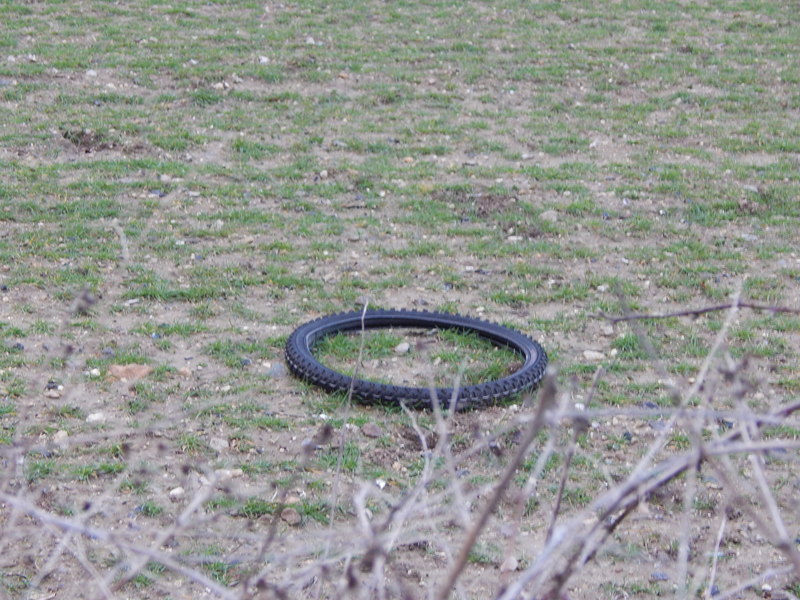
After removing the wheel and tube, inspect the inside of the tire for the debris that caused the flat (e.g., thorn, glass) before inserting a new tube, or you will get another flat immediately. Common culprits include thorns, glass shards, wire fragments, and small rocks. Run your fingers carefully along the inside of the tire to feel for any sharp objects. Remove any debris you find, as leaving it in place guarantees another flat. This step is critical – many cyclists skip it and wonder why they keep getting flats. Take 30 seconds to inspect thoroughly, it’s worth the time.
Using Tire Levers Safely
Hook one tire lever under the tire bead, fasten it to a spoke, and use a second lever to unseat the rest of the tire. Do not use metal levers, as they can damage the rim. Start by inserting the first lever about 4-6 inches from the valve stem. Once hooked, secure it to a spoke using the notch on the lever. Insert the second lever 2-3 inches away and work it around the rim, lifting the tire bead over the edge. For tight tires, you may need a third lever. Plastic levers are essential – metal ones can gouge aluminum rims and create burrs that damage tubes. Work slowly and methodically to avoid pinching the tube.
Tire Seating and Inflation
Before fully inflating, check that the tire bead is properly seated on the rim to prevent the tube from blowing out. After installing the new tube and partially inflating it to give shape, ensure the tire bead sits evenly all the way around the rim. Look for the tire’s alignment line – it should be uniform and not dip in or out at any point. If the bead isn’t seated correctly, the tube can expand into gaps and burst when you add pressure. Inflate to your tire’s recommended PSI (usually printed on the sidewall) and check again that the bead remains even as pressure builds.
Safe Wheel Removal for Rear Flats
For rear flats, shift to the smallest cog first to make removing the wheel easier. This puts the chain in the most relaxed position, giving you more clearance. Release your brakes if they’re rubbing on the tire – most road bikes use caliper brakes that open when you release the quick-release lever. Open the wheel’s quick-release, then gently guide the wheel out of the dropouts. For rear wheels, you may need to carefully maneuver the chain and derailleur to clear the cassette. Keep track of any washers or spacers that come off with the wheel.
Essential Tools Every Cyclist Should Carry
Must-Have Repair Toolkit
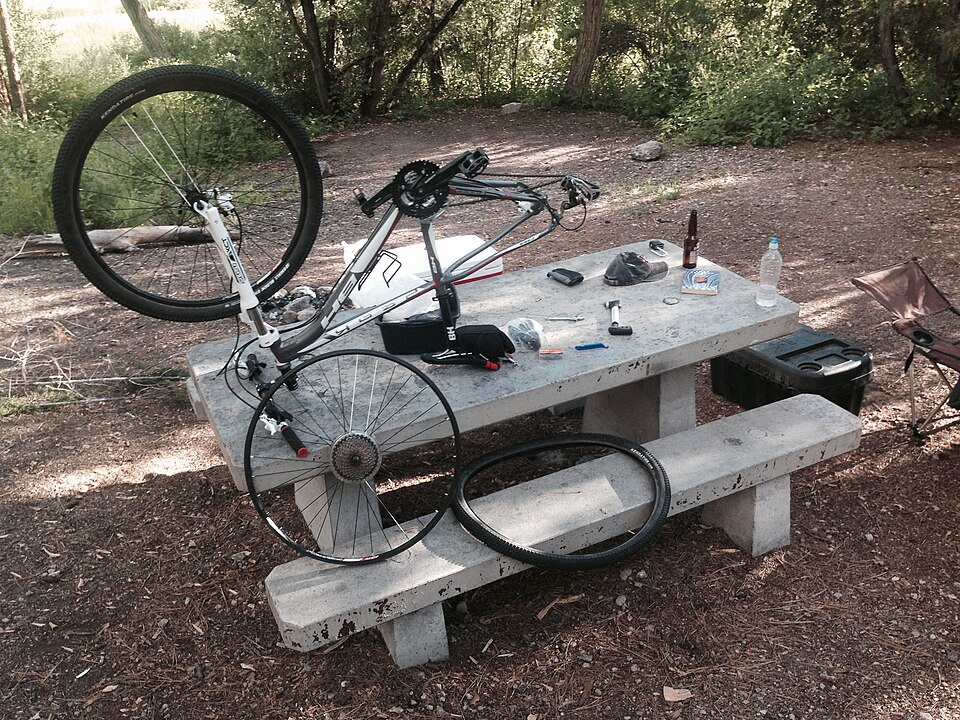
Every cyclist should carry a saddle bag with the following items:
- Spare Inner Tube(s): Ensure they are the correct size and valve type (Presta) for your bike
- Tire Levers: A set of 2 or 3 plastic levers
- Pump or CO2 Inflator: A portable mini pump with a gauge or CO2 canisters to inflate tires to the correct PSI
- Patch Kit: For repairing tubes if you run out of spares
Pre-ride Inspection and Maintenance
Before every ride, perform a quick “M-check” to check that wheels are securely attached and tires are in good condition. The M-check involves inspecting your bike in the shape of an “M” – starting at the rear wheel, moving up to the saddle, down to the crankset, up to the handlebars, and down to the front wheel. For tires specifically, check for cuts, embedded debris, and proper inflation. A quick spin of each wheel should reveal any wobbles or brake rub. This 2-minute check can prevent 90% of roadside issues.
Practice and Prevention Tips
Practice changing a tire at home where it is warm and dry, rather than for the first time in the rain on the side of a road. If a tire is very tight, a little water or soap can help it slide back onto the rim more easily. Check your tire pressure weekly; properly inflated tires reduce the risk of flats. Most road bike tires lose 5-10 PSI per week, so a tire that felt perfect on Sunday might be dangerously low by Friday. Use a quality floor pump with a gauge at home, and carry a portable pump that matches your valve type. Understanding that proper inflation is your first defense against flats will save you countless roadside repairs.
The most counter-intuitive finding about road bike tire repair is that practicing tire changes at home is more valuable than carrying extra tools. Confidence and technique matter more than equipment when you’re on the roadside. The specific action step you can take right now is to check your tire pressure weekly using a gauge, as properly inflated tires reduce flat risk by up to 50% according to cycling experts — road cycling.
Frequently Asked Questions About Road Bike Tire Repair
What tools should I carry to fix a flat road bike tire?
Carry a pump or CO2 inflator (used by 90% of cyclists) and tire levers (used by 50% of cyclists) to fix a flat road bike tire quickly.
How do I fix a flat road bike tire?
Use a pump or CO2 inflator to reinflate the tire after patching or replacing the inner tube, following the step-by-step process for road bike tire repair.
Why is a CO2 inflator useful for road bike tire repair?
A CO2 inflator allows rapid inflation, making it a preferred tool for 90% of cyclists during road bike tire repair.