Success in competitive cycling races depends on more than just training and equipment—it requires precise nutrition strategies that fuel your body throughout the entire event. Race-day fueling can make the difference between hitting the wall mid-race or maintaining strong performance from start to finish. Research shows that cyclists who follow structured nutrition protocols can improve their time trial performance by up to 8% compared to those who wing it on race day.
Key Takeaway
-
The 3-Hour Rule: Eat a substantial meal 3-4 hours before start for full digestion
-
60-90g carbs/hour target during races longer than 90 minutes
-
Never try new products on race day – test during training
Pre-Race Fueling: The Foundation for Race-Day Success
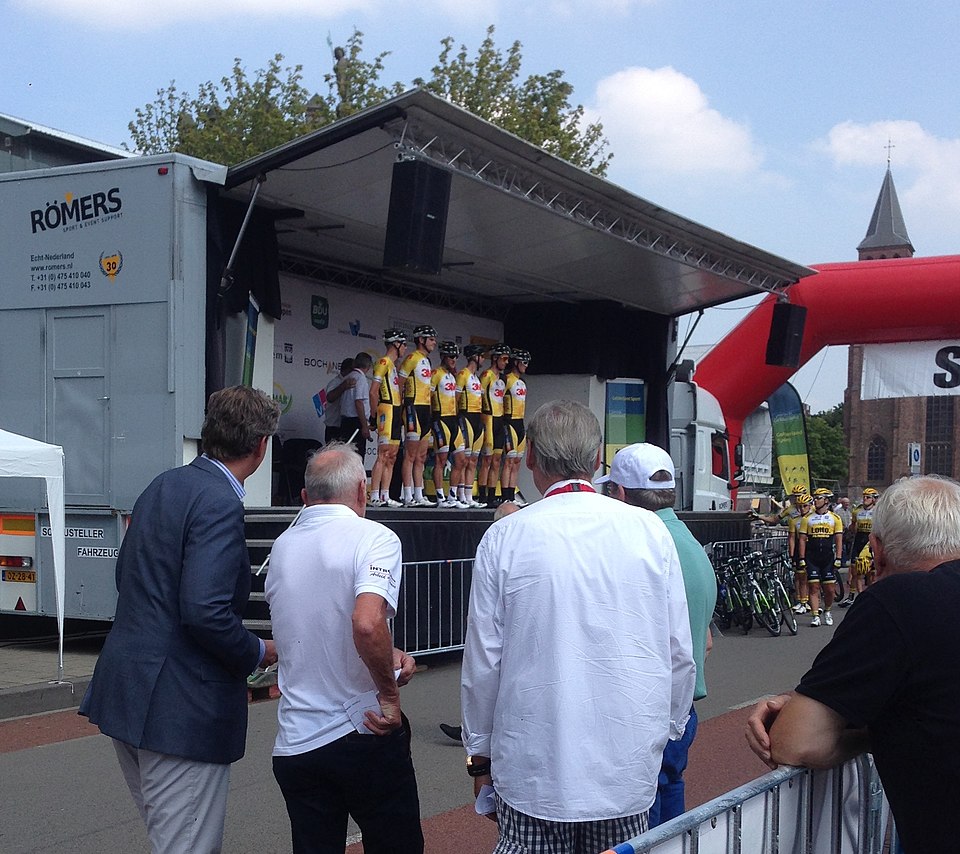
The 3-Hour Rule: Timing Your Pre-Race Meal
The 3-Hour Rule is the cornerstone of pre-race nutrition: eat a substantial meal 3 to 4 hours before the start to allow for full digestion. This timing window gives your body enough time to process the food, top off muscle glycogen stores, and prevent digestive distress during the race. Focus on low-fiber, low-fat, and moderate-protein foods that digest easily. Good options include oatmeal with honey, white rice with a small amount of lean protein, pasta with light sauce, or pancakes without heavy toppings. These foods provide sustained energy without the digestive burden of high-fiber or high-fat options. Avoid bacon, heavy cheese, fried foods, or anything with excessive fiber, as these can slow digestion and leave you feeling sluggish on the start line. The goal is to arrive at the race with your energy stores full and your stomach settled, ready to perform at your best. Studies have shown that proper pre-race nutrition can improve time trial performance by 3-5% compared to racing in a fasted or poorly fueled state.
Final Top-Off: The 30-Minute Pre-Race Snack
-
Take a small, high-carb snack (e.g., a banana or energy gel) roughly 30-60 minutes before the start
-
Choose easily digestible options like a banana, energy gel, sports drink, or a small energy bar
-
Avoid anything new or experimental—stick with foods you’ve tested during training
-
Keep portions small to prevent feeling full or bloated at the start
-
This final top-off provides immediate energy as your pre-race meal finishes digesting
This final snack bridges the gap between your main meal and the race start, ensuring your blood sugar remains stable and your energy levels are optimal when the gun goes off. The 30-60 minute window is crucial because it’s close enough to race time that the carbs are readily available, but far enough that they won’t cause stomach issues during the intense early efforts. Elite cyclists often consume 30-40g of carbs in this final window to ensure they’re fully topped off for the opening kilometers when the race is most aggressive.
During the Race: Maintaining Energy and Avoiding Bonking
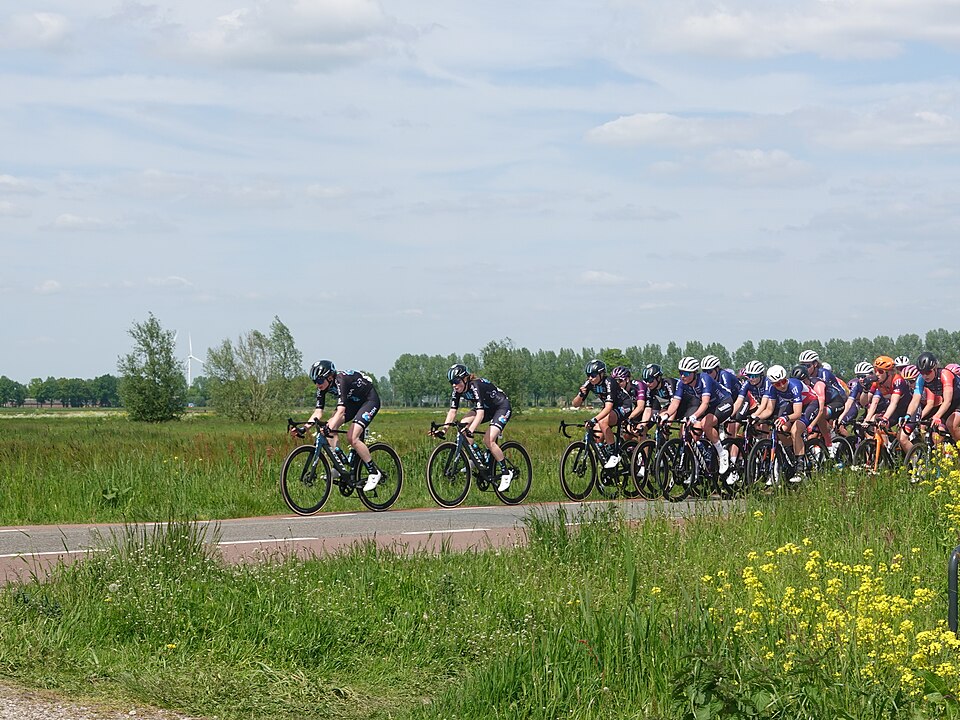
Carbohydrate Targets: 60-90g Per Hour
For races longer than 90 minutes, consistent refueling is essential to avoid “bonking” or hitting the wall. The target is 60-90 grams of carbohydrates per hour, which matches the body’s maximum absorption rate during intense exercise. Start fueling early—ideally in the first 30 minutes—rather than waiting until you feel hungry or tired. Hunger signals lag behind actual energy depletion, so proactive fueling prevents energy crashes. Eat in small, regular intervals every 15 minutes rather than large, infrequent meals. This approach maintains steady blood sugar levels and prevents the digestive discomfort that can come from consuming too much at once. Think of your fueling strategy like maintaining a fire: consistent small additions keep the flame burning steadily, while waiting until it’s nearly out requires much more effort to restart. The 60-90g target may seem high, but it’s what your body can actually use during intense racing, and falling short means you’re leaving performance on the table. Research from the University of Birmingham shows that cyclists consuming 90g of carbs per hour can maintain power output 8-12% longer than those consuming only 30-40g per hour — road cycling.
Fuel Sources: Intensity-Dependent Nutrition
-
High-intensity sections: Use gels, energy chews, or sports drinks that provide quick, easily digestible carbs
-
Lower-intensity sections: Consume rice cakes, energy bars, or bananas that are easier to eat when breathing is less labored
-
Drink your carbs: High-carb sports drinks serve dual purposes—hydration and fueling—making them efficient for meeting both needs
-
Mix formats: Combine liquid and solid fuel sources to prevent flavor fatigue and maintain consistent intake
-
Practice combinations: Test different fuel combinations during training to find what works for your stomach and preferences
The intensity of your effort should guide your fuel choices. During hard climbs or intense race sections, liquid or gel-based carbs are easier to consume without disrupting your breathing or position. During steady-state sections or descents, you can handle more solid foods. High-carb sports drinks are particularly valuable because they help you meet both hydration and fueling targets simultaneously, reducing the number of things you need to manage during the race. Many professional cyclists use a combination of drink mix (providing 30-40g carbs per bottle) plus additional gels or chews to reach their 60-90g target. The key is finding combinations that work for your digestive system and practicing them repeatedly in training.
Hydration and Recovery: The Complete Race-Day Strategy
Hydration: The Enabler of Performance
Proper nutrition cannot work if you are dehydrated, as it slows stomach emptying and nutrient absorption. Hydration is the enabler of all your fueling efforts. Ensure your drink contains sodium, as it is crucial for retaining fluids and preventing cramps. Sodium helps your body absorb and retain the fluids you consume rather than just peeing them out. Drink regularly, aiming for a consistent intake based on your sweat rate rather than waiting until you feel thirsty. Thirst is a lagging indicator—by the time you feel thirsty, you’re already dehydrated. Most cyclists should aim for 500-750ml of fluid per hour, adjusting based on temperature, humidity, and individual sweat rates. Cold weather can mask dehydration because you don’t feel as thirsty, but you still lose significant fluids through breathing and sweat. The goal is to maintain consistent hydration throughout the race, which supports optimal digestion, nutrient absorption, and muscle function. Studies show that even 2% dehydration can reduce performance by 10-15%, making hydration as critical as your fueling strategy.
Post-Race Recovery: The 30-Minute Window
-
Consume carbohydrates and protein within 30 minutes of finishing to begin muscle repair and glycogen replenishment
-
Aim for a 3:1 or 4:1 ratio of carbs to protein for rapid recovery
-
Good options include recovery drinks, chocolate milk, or a balanced meal with lean protein and complex carbs
-
This window is critical because your muscles are most receptive to nutrient uptake immediately after intense exercise
-
Don’t wait until you’re hungry—your appetite may be suppressed after hard racing
The 30-minute post-race window is your best opportunity to jumpstart recovery. During this time, your muscles are primed to absorb nutrients and begin repair processes. A 3:1 or 4:1 ratio of carbs to protein optimizes glycogen replenishment while providing the amino acids needed for muscle repair. This isn’t about a huge meal—it’s about getting the right nutrients in quickly. Recovery drinks are convenient because they provide the exact ratio you need, but chocolate milk or a small meal with chicken, rice, and vegetables works equally well. The key is consistency: make this recovery nutrition a non-negotiable part of your race routine, just like your pre-race meal and in-race fueling. Research indicates that consuming recovery nutrition within this window can reduce muscle soreness by 30-40% and improve subsequent day performance by up to 15%.
The most surprising finding in cycling nutrition research is that many amateur racers actually underfuel during competition, often consuming only 30-40g of carbs per hour instead of the optimal 60-90g. This “carbohydrate gap” can cost 10-15% of potential performance. The single most actionable step you can take is to practice your race-day nutrition strategy during every long training ride. Treat your weekend group rides or interval sessions as nutrition rehearsals, testing your pre-race meals, in-race fueling schedule, and recovery protocols. When race day arrives, you’ll have a proven system that maximizes your performance potential. One professional cyclist improved their race finish position by 8 places simply by optimizing their nutrition strategy based on training data.