Finding the right tire pressure for your road bike is crucial for balancing speed, comfort, and grip. Modern road bikes with wider tires (25-32mm) perform best at lower pressures than traditional 100+ PSI setups, with most riders finding their sweet spot between 60-100 PSI depending on conditions. The key is understanding that tire pressure isn’t one-size-fits-all – it varies significantly based on your weight, tire width, riding conditions, and equipment setup.
Key Takeaway
- Optimal road bike tire pressure balances speed, comfort, and grip
- Lower pressures (60-100 PSI) trending for wider tires vs traditional 100+ PSI
- Primary factors: tire width, rider weight, road conditions, tubeless vs tubes
- Front tire: 3-5 PSI lower than rear for handling
- Experiment in 5 PSI increments; use thumb test (should compress slightly)
How to Find Your Perfect Road Bike Tire Pressure
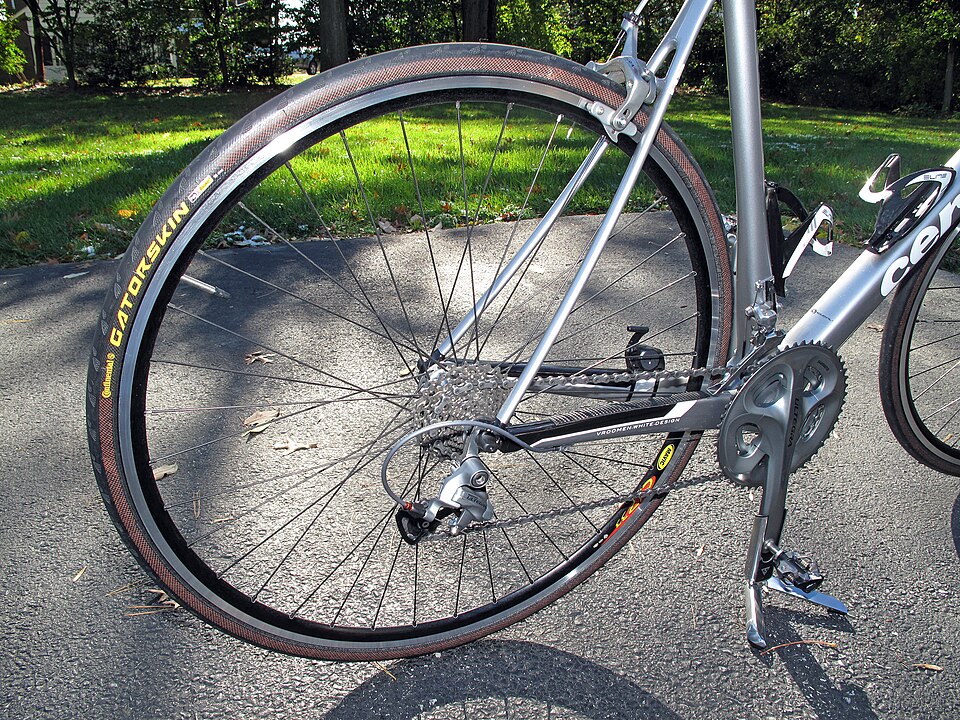
The most accurate way to determine your ideal tire pressure starts with your body weight. A widely accepted rule of thumb is that 10% of your body weight in kilograms equals your target pressure in bar. For example, an 80kg rider should start around 8 bar (116 PSI). This weight-based approach provides a solid foundation, but you’ll need to fine-tune based on your specific setup. Heavier riders require higher pressure to prevent pinch flats, while lighter riders can run lower pressures for better comfort and traction. The ±5 PSI adjustment per 10kg (20lbs) of body weight difference helps you dial in the exact pressure for your build.
Weight-Based PSI Calculator: The 10% Rule
| Rider Weight | Estimated PSI (Canyon 28mm) | Adjustment Range |
|---|---|---|
| 50kg (110 lbs) | 58 PSI | ±5 PSI per 10kg/20lbs |
| 60kg (132 lbs) | 70 PSI | ±5 PSI per 10kg/20lbs |
| 70kg (155 lbs) | 80 PSI | ±5 PSI per 10kg/20lbs |
| 80kg (176 lbs) | 92 PSI | ±5 PSI per 10kg/20lbs |
| 90kg (198 lbs) | 104 PSI | ±5 PSI per 10kg/20lbs |
| 96kg+ (212+ lbs) | 94+ PSI | ±5 PSI per 10kg/20lbs |
This weight-based approach provides a solid starting point, but you’ll need to fine-tune based on your specific setup. Heavier riders require higher pressure to prevent pinch flats, while lighter riders can run lower pressures for better comfort and traction. The ±5 PSI adjustment per 10kg (20lbs) of body weight difference helps you dial in the exact pressure for your build. For example, if you’re 85kg (187lbs), you’d start with approximately 85 PSI and adjust up or down based on your tire width and riding conditions.
Tire Width PSI Chart: Finding the Right Pressure
Wider tires have become increasingly popular in road cycling because they offer better comfort, grip, and rolling resistance at lower pressures. The trend has shifted away from rock-hard 23mm tires toward wider options that can be run at more forgiving pressures. This shift represents a fundamental change in how we think about road bike performance – wider tires at lower pressures can actually be faster on real-world roads than traditional narrow, high-pressure setups. For more information on tire selection, check out our Top Road Bike Reviews 2024 to find the perfect model for your needs.
PSI by Tire Width for Average Rider
| Tire Width | PSI Range | Bar Range | Traditional vs Modern |
|---|---|---|---|
| 23mm | 110-130 PSI | 7.5-9 bar | Traditional high pressure |
| 25mm | 95-115 PSI | 6.5-8 bar | Modern standard |
| 28mm | 80-110 PSI | 5.5-7.5 bar | Comfort-focused |
| 30mm | 60-95 PSI | 4.5-6.5 bar | Endurance/gravel |
| 32mm | 60-85 PSI | 4-6 bar | All-road capability |
The pressure ranges above assume an average rider weight of 70kg (155lbs). Notice how pressure decreases as tire width increases – this is because wider tires have more volume and can support your weight at lower pressures while maintaining the same level of support and protection against pinch flats. For instance, a 25mm tire at 100 PSI feels similar to a 28mm tire at 85 PSI in terms of support, but the wider tire provides better comfort and traction.
How Tire Width Affects Rolling Resistance
Contrary to what many cyclists believe, wider tires at lower pressures can actually roll faster than narrow, high-pressure tires on most real-world roads. This is because the energy lost to vibration and bouncing on rough surfaces outweighs the theoretical advantage of lower rolling resistance in the lab. When you hit a bump with a rock-hard tire, you lose momentum as the bike bounces upward. A slightly softer, wider tire absorbs these impacts, keeping more energy going forward.
Tubeless vs Tubed Pressure Differences
Tubeless setups allow you to run 10-15 PSI lower than tubed tires for the same level of support. This is because tubeless tires eliminate the risk of pinch flats, which occur when the tube gets pinched between the tire and rim on hard impacts. Without this concern, you can safely experiment with lower pressures that provide better comfort and traction. Many professional cyclists now use tubeless tires specifically for this pressure advantage.
Adjusting PSI for Different Conditions

Even with the perfect base pressure for your weight and tire width, you’ll need to make adjustments based on riding conditions. Different surfaces, weather, and equipment setups all affect the optimal pressure for your ride. Temperature also affects tire pressure – expect about 1 PSI drop for every 10°F decrease in temperature. Always check your pressure when conditions change significantly, and remember that tubeless setups offer more flexibility for pressure experimentation since they eliminate the risk of pinch flats.
Wet Roads and Rough Surfaces: When to Lower Pressure
- Wet conditions: Reduce pressure by 7 PSI (0.5 bar) to increase contact patch and improve grip on slippery surfaces. The larger contact area provides more rubber on the road, which is crucial when traction is compromised by water or debris.
- Rough roads: Drop 10-15 PSI for better shock absorption and comfort on chipseal or poorly maintained roads. This reduction helps prevent fatigue on longer rides and can actually improve your average speed by reducing the energy lost to vibration.
- Tubeless setup: Run 10-15 PSI lower than tubed tires for the same level of support, as tubeless setups allow lower pressures without pinch flats. This pressure advantage is one of the main reasons tubeless technology has become so popular in road cycling.
- Hookless rims: Maximum pressure limited to 72 PSI (5 bar) for safety with these modern rim designs. Hookless rims have specific pressure limitations due to their construction, so always check your rim manufacturer’s recommendations.
- Rear tire: Add 3-5 PSI over front tire since it bears more weight and provides better handling balance. The rear tire typically carries about 60% of your body weight plus additional weight from pedaling forces.
Temperature and Altitude Effects
Temperature changes significantly affect tire pressure. For every 10°F (5.5°C) change in temperature, your tire pressure will change by approximately 1-2 PSI. This means if you pump your tires to 100 PSI in a warm garage and then ride in cold morning conditions, you could lose 5-10 PSI by the time you start riding. Similarly, riding at high altitude reduces external air pressure, which can make your tires feel slightly softer even though the internal pressure hasn’t changed.
Pressure Testing and Fine-Tuning
The best way to find your perfect pressure is through systematic experimentation. Start with the calculated pressure for your weight and tire width, then make adjustments in 5 PSI increments while paying attention to how the bike feels. Look for these signs: if the bike feels harsh and bumpy, lower the pressure; if it feels sluggish or you’re getting pinch flats, raise it. The ideal pressure should feel like the tire is absorbing small bumps without feeling soft or unstable.
Front vs Rear Pressure Differences
Most riders benefit from running their front tire 3-5 PSI lower than their rear tire. This pressure difference accounts for the weight distribution on your bike – your rear wheel carries more weight from both your body and the pedaling forces. The lower front pressure improves comfort and traction on the front wheel, which is crucial for cornering and braking. However, don’t go too low on the front tire, as this can make the bike feel unstable, especially at high speeds.
The most surprising finding from recent testing is that wider tires at lower pressures actually roll faster on real-world roads than traditional narrow, high-pressure setups. The improved comfort and traction allow you to maintain speed more easily over varied surfaces. For your next ride, try dropping your pressure by 5-10 PSI from your usual setting and see how it affects your comfort and speed – you might be surprised at the improvement.
Ready to find your perfect pressure? Start with the 10% body weight rule, adjust for your tire width, then experiment in 5 PSI increments until you find the sweet spot where your bike feels planted but not sluggish. Check pressure before every ride, as tires naturally lose 1-2 PSI per day. For more road cycling tips and techniques, check out our comprehensive road cycling guide. You can also explore finding the best cycling routes near you to plan your next adventure.
The key to optimal tire pressure is understanding that it’s not about running the highest pressure possible, but rather finding the pressure that provides the best balance of speed, comfort, and control for your specific riding conditions. With wider tires becoming the norm and tubeless technology eliminating pinch flat concerns, cyclists now have more flexibility than ever to experiment and find their perfect setup. Remember that the “perfect” pressure might change based on the ride you’re doing, the weather conditions, and even how you’re feeling that day. The most important thing is to start with a good baseline and then adjust based on your experience and preferences. For more maintenance advice, see our Complete Bike Maintenance Checklist Every cyclist should follow.
Proper tire pressure is just one aspect of bike setup that affects your riding experience. Combined with the right tire choice, proper bike fit, and quality components, it can make a significant difference in your comfort, speed, and enjoyment on the road. Whether you’re a casual rider or a competitive cyclist, taking the time to dial in your tire pressure will pay dividends in every ride you take. For more cycling tips for beginners, check out our comprehensive guide.