Road bike handlebar tape enhances grip and comfort on drop handlebars. The right tape reduces vibration and improves control for long rides, making it an essential component for any road cyclist. Proper handlebar tape can significantly reduce hand fatigue and improve overall riding experience, especially during extended rides or in challenging weather conditions.
Key Takeaway
-
3mm thickness standard for road bikes provides optimal comfort and protection
-
Gel tape offers 30-40% vibration reduction for long-distance comfort
-
PU/EVA materials provide superior grip even when wet
-
Top brands include Fizik, Lizard Skins, and Supacaz for quality and durability
Best Road Bike Handlebar Tape Materials Compared
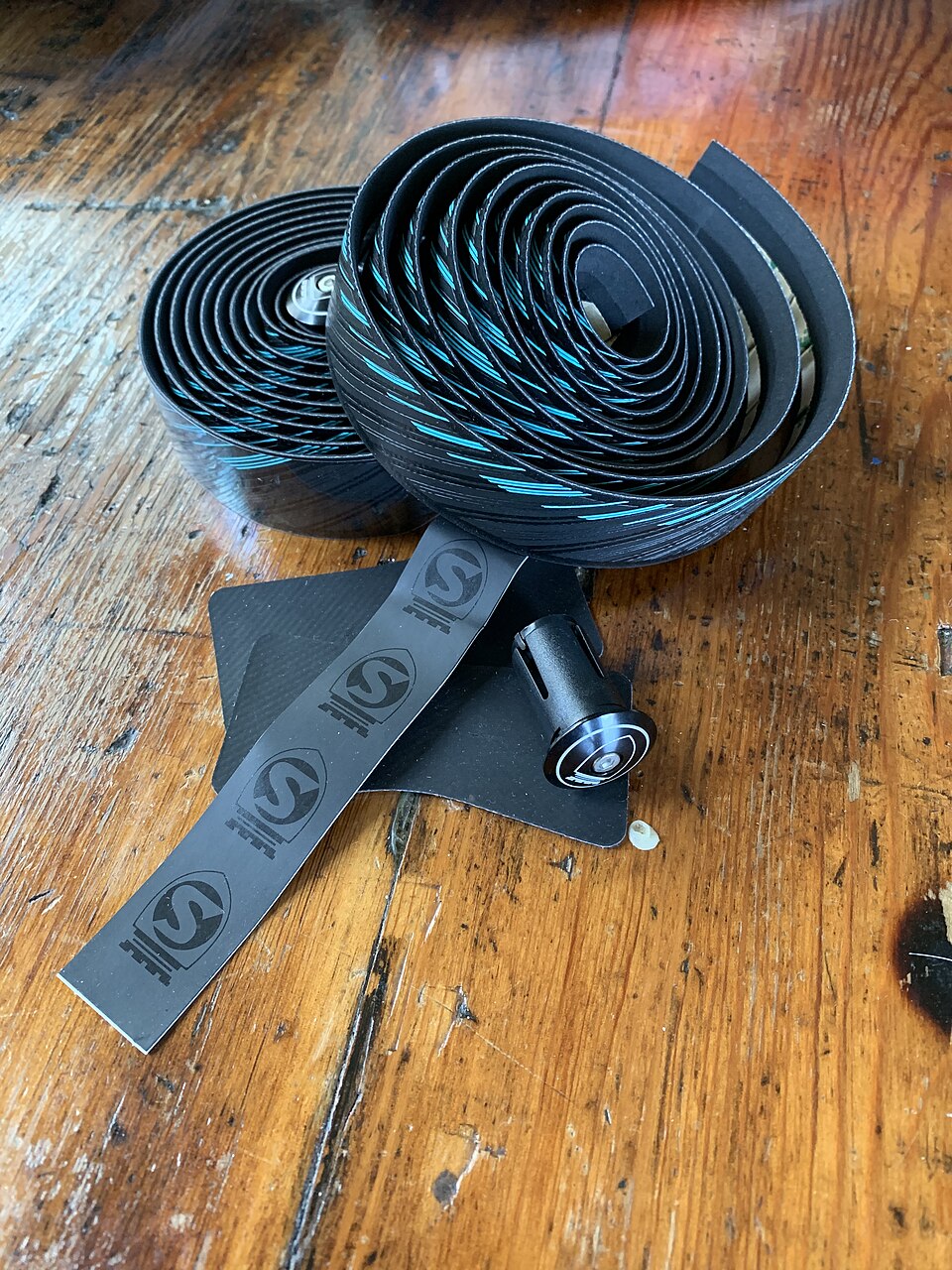
Cork vs Gel vs Synthetic: Key Differences
|
Material |
Key Properties |
Best For |
|---|---|---|
|
Cork |
Breathable, sweat-absorbent, natural feel |
Riders who prioritize comfort and breathability |
|
Gel |
Superior vibration reduction (30-40% claimed by manufacturers) |
Long-distance riders needing maximum cushioning |
|
Synthetics/PU/EVA |
Grippy even when wet, shock absorption, lightweight |
All-weather performance and durability |
Cork handlebar tape offers a classic, natural feel that many traditional cyclists prefer. Its breathable properties make it excellent for hot weather riding, as it absorbs sweat and prevents slippery hands. However, cork tends to wear faster than synthetic alternatives and may require more frequent replacement. Gel tape represents the premium end of the market, with manufacturers claiming 30-40% vibration reduction compared to standard tape. This makes it ideal for endurance riders who spend hours in the saddle and need maximum comfort to prevent hand fatigue and numbness.
Synthetic materials, particularly PU (polyurethane) and EVA (ethylene-vinyl acetate), have become increasingly popular due to their superior all-weather performance. These materials maintain excellent grip even when wet, making them perfect for riders who train in various conditions. They also offer good shock absorption while being more durable than cork. Many modern synthetic tapes combine multiple materials to achieve the best balance of comfort, grip, and durability. For example, some feature a PU outer layer for grip with an EVA foam core for cushioning.
Thickness Matters: 2.5mm vs 3mm vs 3.5mm
-
2.5mm: Standard for road bikes, balances comfort and control
-
3mm: Provides extra cushioning for long rides
-
3.5mm: Ideal for endurance and gravel riding
The thickness of handlebar tape significantly impacts both comfort and control. Standard 2.5mm tape provides the classic road bike feel, offering enough cushioning to absorb road vibrations while maintaining excellent bar feel and control. This thickness is preferred by many competitive cyclists who want to maintain precise handling and feedback from the road. The thinner profile also reduces overall handlebar diameter, which can be beneficial for riders with smaller hands.
3mm tape adds an extra layer of cushioning that many recreational riders and endurance cyclists prefer. This additional thickness can reduce hand fatigue during long rides by providing better shock absorption from rough roads and pavement imperfections. The extra padding is particularly beneficial for riders who experience hand numbness or discomfort during extended periods in the saddle. Many manufacturers offer their premium tapes in 3mm thickness as it represents the sweet spot between comfort and performance for most riders.
3.5mm tape represents the maximum thickness commonly available and is specifically designed for maximum comfort and vibration damping. This thickness is ideal for endurance events, gravel riding, and rough road conditions where maximum cushioning is desired. However, the increased thickness can slightly reduce bar feel and precision, which may be noticeable to experienced riders during high-intensity efforts or technical descents. Some riders use 3.5mm tape for training and switch to thinner tape for racing to balance comfort and performance needs.
Top Handlebar Tape Brands and Models for 2026
Fizik Vento Solocush: Best Overall Comfort
The Fizik Vento Solocush leads the market with its 2.7mm thickness and excellent wet/dry grip. This premium tape delivers superior comfort and feel for long rides, making it a favorite among road cyclists who prioritize both performance and comfort. The material provides consistent grip in all conditions while maintaining a lightweight profile. Fizik’s proprietary Solocush material combines a soft-touch outer layer with a vibration-damping foam core, creating an optimal balance of comfort and control that has made it the benchmark for high-end handlebar tape.
What sets the Vento Solocush apart is its exceptional wet-weather performance. The tape maintains its grippy texture even when soaked, preventing dangerous slippage during rainy rides or when hands become sweaty. The 2.7mm thickness provides slightly more cushioning than standard 2.5mm tape without the bulk of thicker options, making it versatile enough for both racing and endurance riding. The tape also features a tacky backing that makes installation easier and prevents shifting during use. Many professional cyclists choose this tape for its proven combination of comfort, durability, and all-weather reliability.
Supacaz Super Sticky Kush: Best Grip and Style
-
3mm thickness: Provides substantial cushioning without bulk
-
Extreme tackiness: Maintains grip even in wet conditions
-
Outrageous color selection: Available in numerous vibrant colors and designs
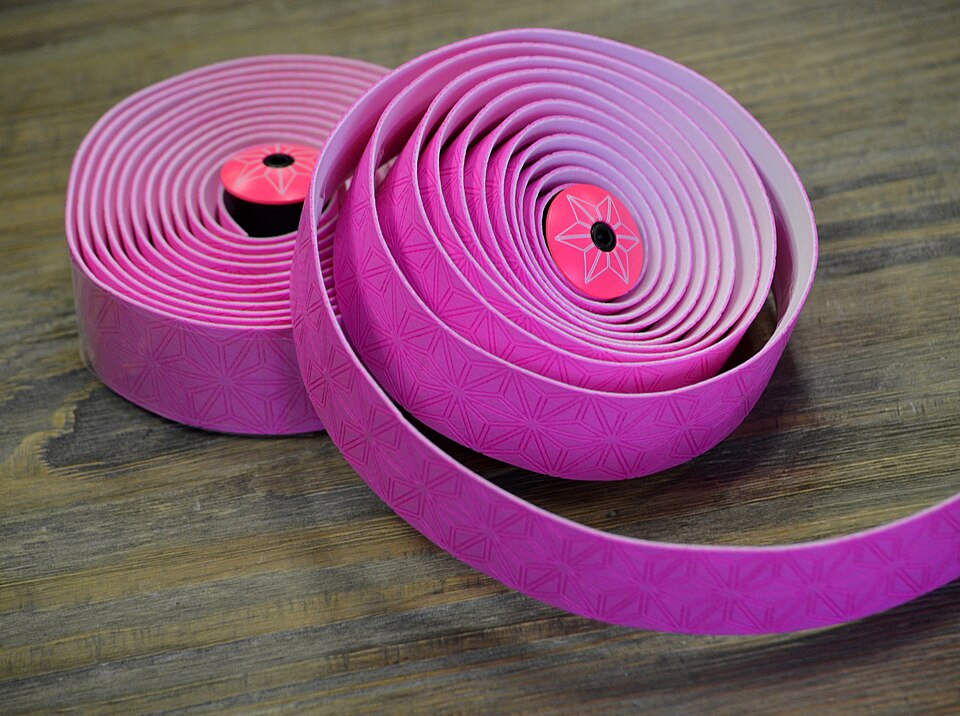
Supacaz Super Sticky Kush has revolutionized the handlebar tape market with its combination of exceptional grip and bold styling options. The tape’s 3mm thickness provides excellent cushioning while the proprietary “Super Sticky” material maintains incredible tackiness in all conditions. This makes it particularly popular among riders who frequently encounter wet weather or those who prioritize maximum grip confidence. The tape’s unique texture creates a secure feel that many riders describe as “locking” their hands to the bars, which can be especially beneficial during technical descents or sprints.
Beyond performance, Supacaz has become known for its vibrant color options and stylish designs. The tape is available in over 20 different colors, including neon options that make bikes stand out. This focus on aesthetics has made it particularly popular among younger riders and those who view their bike as an extension of their personal style. The tape also features a Kush Foam middle layer that provides additional vibration damping beyond what the surface material alone offers. While slightly more expensive than some alternatives, many riders find the combination of performance, durability, and style worth the premium price point.
Ergon BT Gravel: Best for Vibration Damping
The Ergon BT Gravel excels for long-distance comfort with its 3.5mm thickness that provides superior vibration reduction. Many endurance riders prefer this model for its ability to minimize hand fatigue during extended rides. The extra thickness makes it particularly suitable for gravel and rough road surfaces where maximum cushioning is beneficial. Ergon, known for their ergonomic cycling components, designed this tape specifically for riders who spend long hours on less-than-perfect surfaces and need maximum comfort to prevent hand and arm fatigue — road cycling.
What makes the BT Gravel unique is its multi-layer construction that combines different materials for optimal performance. The outer layer provides excellent grip and durability, while the inner layers focus on vibration absorption and comfort. The tape also features a textured surface that enhances grip without feeling sticky, making it comfortable for long periods of use. Many ultra-distance cyclists and bikepackers choose this tape for its proven ability to reduce hand fatigue over thousands of miles. The tape’s thickness does add some bulk to the handlebars, but most riders find the comfort benefits far outweigh this minor drawback, especially for long-distance applications.
How to Choose and Install Handlebar Tape
Installation Guide: Step-by-Step Wrapping
-
Start at the drops: Begin wrapping clockwise from the bottom of the handlebars
-
Overlap: Maintain 1/4-1/3 overlap for consistent coverage
-
Secure ends: Use finishing tape and bar plugs to complete the installation
Proper installation is crucial for getting the most out of your handlebar tape. Start by cleaning your handlebars thoroughly and removing any old tape residue. Begin wrapping at the bottom of the drops, working your way up the handlebars in a clockwise direction (when viewed from the drive side). Maintain consistent overlap of about 1/4 to 1/3 of the tape’s width to ensure complete coverage and prevent gaps. Pay special attention to the bend areas where the tape needs to stretch slightly to maintain smooth coverage without wrinkles or bubbles.
As you wrap, keep tension on the tape consistent but not excessive – too tight can cause the tape to stretch and thin out, while too loose will result in a sloppy finish that may shift during use. When you reach the top of the bars, cut the tape at an angle to create a clean finish, then secure it with the provided finishing tape. Finally, install your bar plugs to prevent the tape from unraveling and to protect the bar ends in case of a crash. A properly installed tape job should feel smooth, secure, and look professional – taking the time to do it right will ensure your tape performs well and lasts longer.
Price Range and Value Considerations
|
Price Range |
What to Expect |
Best For |
|---|---|---|
|
$20-30 |
Basic comfort and grip, standard materials |
Recreational riders and beginners |
|
$30-40 |
Enhanced durability and comfort features |
Regular riders and enthusiasts |
|
$40-50 |
Premium materials, superior vibration reduction |
Performance-focused cyclists |
Handlebar tape pricing varies significantly based on materials, brand reputation, and performance features. Entry-level tapes in the $20-30 range typically use basic synthetic materials that provide adequate grip and comfort for casual riders. These tapes often feature simpler construction and may wear faster than premium options, but they represent excellent value for recreational cyclists or those new to road biking. Many manufacturers offer these basic tapes in standard colors and provide sufficient quality for riders who don’t need maximum performance features.
The $30-40 price range represents the sweet spot for most enthusiasts, offering enhanced durability, better materials, and improved comfort features. Tapes in this range often use advanced synthetic materials or high-quality cork with better construction techniques. They typically provide superior grip, better vibration damping, and improved durability compared to budget options. Many riders find this price point offers the best balance of performance and value, especially for those who ride regularly but don’t require professional-level features.
Premium tapes in the $40-50 range feature the latest materials and construction techniques, offering maximum comfort, durability, and performance. These often include advanced vibration-damping materials, superior grip technologies, and enhanced weather resistance. Professional cyclists and serious enthusiasts often choose these tapes for their proven performance benefits, though the improvements over mid-range options may be incremental rather than revolutionary. For riders who spend many hours on the bike or compete at higher levels, the investment in premium tape can provide meaningful comfort and performance benefits that justify the higher cost.
The right handlebar tape can reduce hand fatigue by up to 40% on long rides. For maximum comfort, consider adding gel pads under your tape, especially for endurance events or rough road conditions. Many professional bike fitters recommend this combination for riders who experience hand numbness or