Professional cyclists train 20-30 hours weekly covering 500-1000 km, but the secret to sustaining this volume isn’t just hard work—it’s training smarter using power and heart rate zones structured around the 80/20 rule.
Key takeaway
- Training zones provide objective intensity measures using either power (FTP-based) or heart rate (MHR-based) to optimize workout effectiveness
- The 80/20 rule—80% low-intensity Zone 2 training plus 20% high-intensity work—prevents burnout while maximizing performance gains
- Progressive overload with structured recovery weeks builds sustainable fitness without overtraining
What Are Cycling Training Zones and How Do They Work?
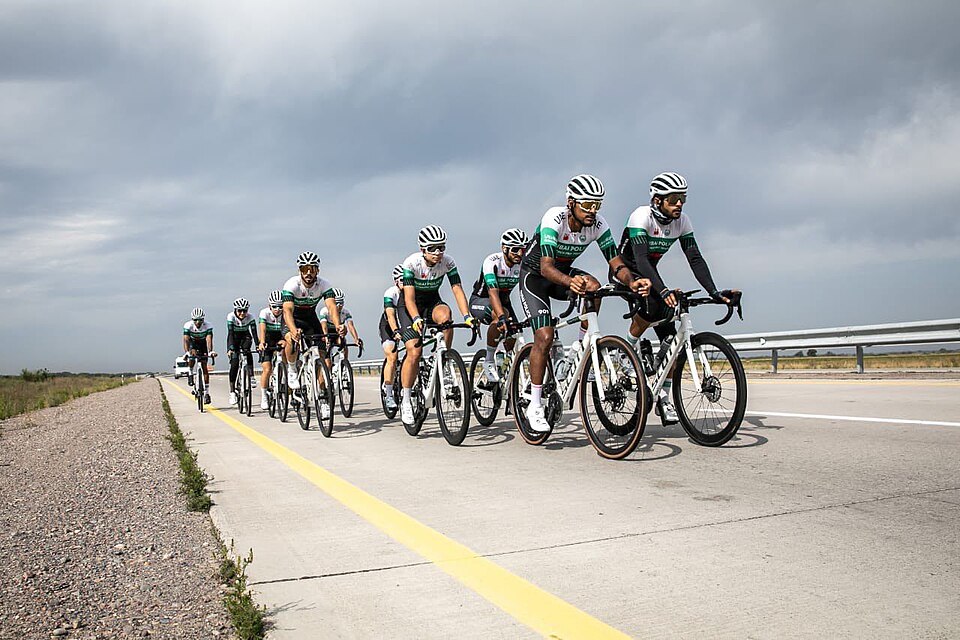
Cycling training zones provide a scientific framework for measuring and controlling workout intensity. Modern cycling uses either Power (Functional Threshold Power – FTP) or Heart Rate (Maximum Heart Rate – MHR) to measure intensity, allowing cyclists to train at specific intensities for targeted physiological adaptations. This systematic approach replaces guesswork with precision, enabling cyclists to optimize their training time and achieve specific fitness goals.
Power Zones vs Heart Rate Zones: Which Should You Use?
Power zones and heart rate zones both measure training intensity but use different metrics. Power zones, developed by Dr. Andrew Coggan, are based on FTP percentages and provide objective, real-time data unaffected by fatigue or environmental conditions. Heart rate zones rely on MHR percentages and reflect your body’s physiological response to effort.
Power zones offer several advantages: they’re unaffected by sleep quality, stress, or temperature, and provide immediate feedback. Heart rate zones are more accessible since most cyclists have heart rate monitors, but they can lag during interval changes and be influenced by external factors. For example, a 20-minute FTP test might show consistent power output, while heart rate could vary by 10-15 beats per minute based on hydration or caffeine intake.
For most cyclists, using both metrics provides the best approach—power for precise interval training and heart rate for endurance rides and recovery monitoring. Power meters typically cost $300-$1000, while heart rate monitors range from $50-$200, making heart rate a more accessible entry point for beginners. Professional cyclists often use both simultaneously, with power providing the primary intensity guide and heart rate offering additional physiological context.
Complete Zone Definitions: From Active Recovery to Sprint Power
| Zone | FTP Percentage | Training Purpose | Example Workout |
|---|---|---|---|
| Zone 1 | <55% | Active Recovery | Easy spinning, recovery rides, post-race cool down |
| Zone 2 | 56-75% | Endurance | 3-4 hour steady rides, long base building |
| Zone 3 | 76-90% | Tempo | Sustained efforts, group rides, sweet spot training |
| Zone 4 | 91-105% | Threshold | 20-minute FTP intervals, time trial pace |
| Zone 5 | 106-120% | VO2 Max | 3-5 minute high-intensity intervals, hill repeats |
| Zone 6/7 | >120% | Anaerobic/Sprint | 30-second all-out sprints, neuromuscular power |
Each zone targets specific physiological systems. Zone 1 enhances recovery and blood flow without additional stress. Zone 2 builds aerobic capacity and fat-burning efficiency, with studies showing 60-90 minute Zone 2 rides can burn 600-900 calories primarily from fat stores. Zone 3 improves muscular endurance and lactate clearance. Zone 4 raises lactate threshold and sustainable power output. Zone 5 increases VO2 max and anaerobic capacity. Zone 6/7 develops explosive power and sprint speed.
The zones correspond to different heart rate ranges as well. Zone 1 typically falls below 60% MHR, Zone 2 at 60-75% MHR, Zone 3 at 76-85% MHR, Zone 4 at 86-95% MHR, and Zone 5 above 96% MHR. These ranges vary based on individual fitness and age, with maximum heart rate generally declining by 1 beat per year after age 25.
How to Apply the 80/20 Rule and Progressive Overload in Your Training
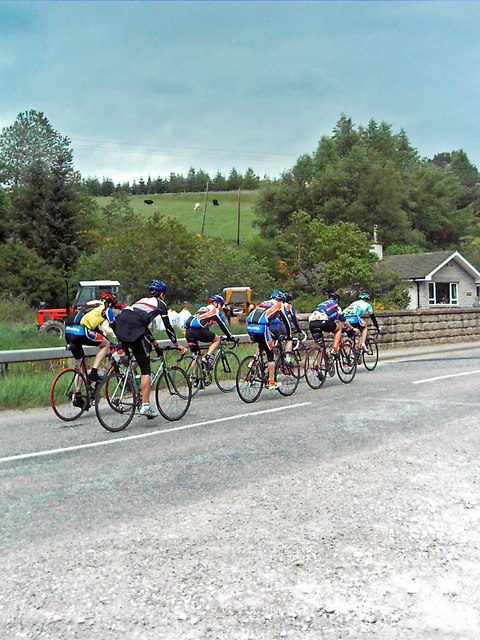
The 80/20 rule suggests that approximately 80% of training volume should be low-intensity (Zone 2) to build aerobic base and efficiency, while the remaining 20% should be high-intensity to develop power and speed. This approach, exemplified by elite cyclists like Emma Johansson, balances training stress with recovery, preventing burnout and promoting sustainable performance. If you’re looking to upgrade your equipment to better support this training approach, check out our top road bike reviews 2024 to find the best models for your needs.
The Science Behind the 80/20 Rule: Why Most Cyclists Train Too Hard
Elite cyclists like Emma Johansson use 80% Zone 2 training to build aerobic base while preventing fatigue. This approach develops mitochondrial density, enhances fat utilization, and improves stroke volume—adaptations that form the foundation for all other performance gains. Zone 2 training allows for higher training volumes without accumulating excessive fatigue.
Most amateur cyclists make the mistake of training too intensely. They often spend 50-70% of their time in Zones 3-5, leading to chronic fatigue, plateaued performance, and increased injury risk. The 80/20 approach actually produces better results because the body adapts more effectively to the right balance of stress and recovery. Research shows that cyclists following polarized training (80/20 distribution) achieve 20-30% greater improvements in VO2 max, lactate threshold, and time trial performance compared to those doing moderate-intensity training (50/50 distribution).
The physiological benefits of Zone 2 training are substantial. Studies demonstrate that 8-12 weeks of Zone 2 training can increase mitochondrial density by 30-40%, enhance fat oxidation rates by 25-35%, and improve capillary density by 15-20%. These adaptations allow cyclists to produce more power aerobically, spare glycogen stores, and recover faster between efforts. Zone 2 training also reduces cortisol levels and inflammation markers, promoting better overall recovery and adaptation.
Building Your Progressive Overload Training Plan
Progressive overload is essential for continuous improvement. Here’s how to structure your training progression:
- Increase training volume by ~10% per week for 3 weeks
- Follow with a recovery week reducing volume by 30-40%
- Schedule hard workouts with 48+ hours between them
- Treat group rides as hard sessions if they include significant climbing or racing
- Adjust based on fatigue levels and performance metrics
For beginners, start with 3-4 training days per week. Advanced cyclists can train 5-6 days weekly. The key is consistency and gradual progression rather than dramatic increases that lead to overtraining. If you’re just starting out, check out our beginner cycling training plan to build your fitness safely.
Progressive overload works by systematically increasing training stress over time. The body adapts to this stress during recovery periods, becoming stronger and more efficient. Without progressive overload, fitness plateaus occur because the body has no reason to adapt beyond its current capabilities. However, too much overload without adequate recovery leads to overtraining syndrome, characterized by decreased performance, elevated resting heart rate, and persistent fatigue.
A typical 12-week training block might look like this: Weeks 1-3 increase from 6 to 8 to 10 hours weekly, week 4 drops to 6-7 hours for recovery, weeks 5-7 increase to 9, 11, and 13 hours, week 8 recovers at 8-9 hours, and so on. This pattern allows for consistent progress while preventing burnout. The recovery weeks are crucial—they’re when the body actually adapts and gets stronger, not during the hard training weeks.
Zone 2 Training: The Foundation of Endurance and Efficiency
Zone 2 training is considered the foundation of endurance training, focusing on aerobic efficiency. This zone builds the aerobic base that supports all other training and is the secret weapon of professional cyclists. To find great places to practice your Zone 2 training, check out our guide on finding the best cycling routes near you.
Why Zone 2 Is the Secret Weapon of Professional Cyclists
Zone 2 benefits include improved fat utilization, increased mitochondrial density, enhanced stroke volume, and sustainable training volume. These adaptations allow cyclists to produce more power aerobically, spare glycogen stores, and recover faster between efforts. The aerobic base developed in Zone 2 supports all other training. Without adequate Zone 2 foundation, high-intensity work becomes less effective because the body lacks the oxidative capacity to recover and adapt properly.
Professional cyclists spend most of their training time in Zone 2 because it provides the greatest return on training investment. A typical professional cyclist might do 15-20 hours of Zone 2 training per week, with only 3-5 hours of high-intensity work. This distribution allows them to handle training volumes of 20-30 hours weekly while maintaining freshness for key races. The Zone 2 work also builds mental toughness and the ability to handle long hours in the saddle, which is crucial for stage races and long-distance events.
Zone 2 also reduces injury risk and mental fatigue. The lower intensity allows for longer training sessions that build endurance without the breakdown associated with constant high-intensity efforts. For women cyclists, having the right equipment is essential for comfort during these long Zone 2 rides—see our guide on essential cycling gear for women.
The sustainability of Zone 2 training is particularly important for amateur cyclists with busy lives. While professional cyclists can handle high training volumes, most amateurs have work, family, and other commitments. Zone 2 training allows them to achieve significant fitness gains with 6-10 hours per week rather than the 15-20 hours that high-intensity training would require for similar results.
Practical Zone 2 Workouts and Implementation Strategies
Sample Zone 2 workouts include 3-4 hour endurance rides at 60-75% MHR or 56-75% FTP. During group rides, maintain Zone 2 by riding at the back, avoiding surges, and focusing on steady effort rather than competition. Using power meters provides the most accurate Zone 2 monitoring, but heart rate monitors work well for longer efforts where heart rate stabilizes. Common mistakes include riding too hard (drifting into Zone 3), insufficient duration (less than 90 minutes), and inadequate recovery between Zone 2 sessions.
To maintain Zone 2 intensity during group rides, use a power meter to stay within your target range, ignore the pace of others, and focus on your own effort level. Remember that Zone 2 should feel comfortable—you should be able to maintain a conversation throughout the ride. If you’re breathing too hard to talk, you’re likely above Zone 2. The perceived effort in Zone 2 is often described as “easy” or “moderate,” where you can sustain the effort for hours without significant fatigue.
Zone 2 workouts can be structured in various ways. A typical session might include a 15-20 minute warm-up, 2-4 hours in Zone 2, and a 10-15 minute cool-down. Some cyclists prefer longer, steady rides, while others do multiple shorter Zone 2 sessions throughout the week. The key is accumulating adequate Zone 2 time—most coaches recommend 80% of total training time in Zone 2 for optimal adaptation.
For time-crunched athletes, Zone 2 can be combined with other training elements. For example, a 90-minute ride might include 60 minutes in Zone 2 with 15 minutes of tempo work and 15 minutes of threshold intervals. This approach maintains the Zone 2 foundation while adding variety and addressing different energy systems. However, the majority of the session should still be Zone 2 to preserve the aerobic adaptations.
The most counter-intuitive finding is that most amateur cyclists fail not from training too little, but from training too intensely without adequate Zone 2 foundation. The specific action step is to start your next training block with a 3-week progressive overload period (increasing weekly volume by 10%) followed by a recovery week at 60-70% normal volume, using a power meter or heart rate monitor to ensure you’re spending at least 75% of your time in Zones 1-2.
For more information about road cycling training principles and techniques, visit our comprehensive guide on road cycling.