The rider accounts for approximately 80% of total aerodynamic drag on a road bike, making position optimization the most critical factor for speed improvement.
Key Takeaway
-
Rider position accounts for 80% of total aerodynamic drag on a road bike
-
Optimized setups can save over 60 watts at 40 km/h
-
Clip-on aero bars can save 15+ watts on long rides
-
Deep-section wheels (50-90mm) offer optimal drag reduction
-
Aero road helmets provide significant energy savings vs vented helmets
Why Rider Position Dominates Road Bike Aerodynamics
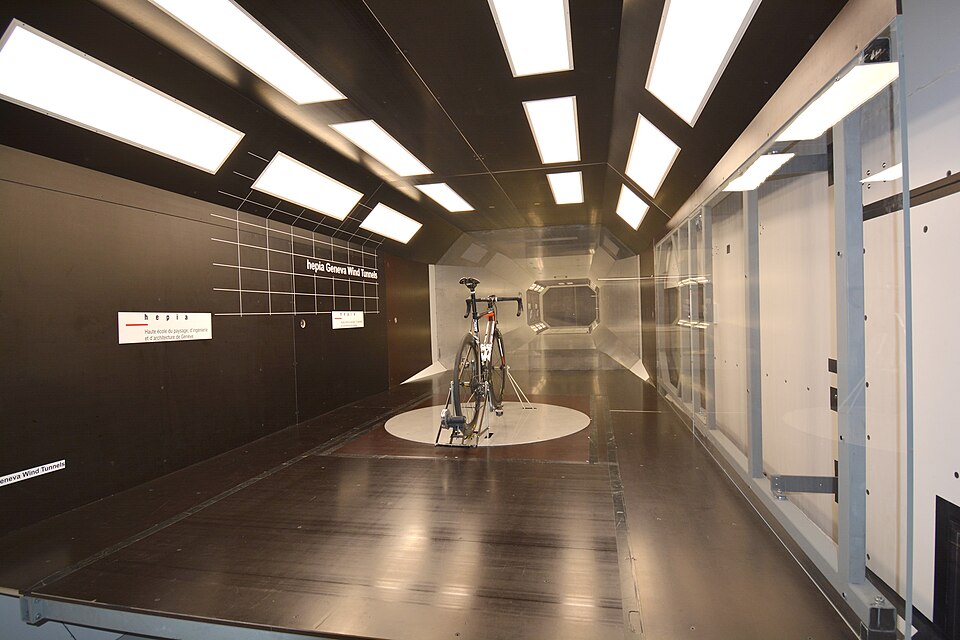
The 80% Rule: Rider Body Causes Most Drag
The rider accounts for approximately 80% of total aerodynamic drag on a road bike, according to research from Pushing Limits Club, SILCA, and YouTube cycling experts. This means that even the most expensive aerodynamic bike frame contributes relatively little to overall speed compared to how the rider positions their body. The remaining 20% of drag comes from the bike itself, including wheels, frame, and components. This 80/20 principle explains why professional cyclists spend countless hours perfecting their riding position in wind tunnels – small adjustments to body posture can yield massive speed gains. Understanding this fundamental concept helps cyclists prioritize their aerodynamic investments, focusing first on position before upgrading equipment.
Professional cyclists have demonstrated that position optimization can save over 60 watts at 40 km/h compared to a standard upright position. This energy saving translates directly to faster speeds or reduced effort for the same speed. The physics behind this is straightforward: reducing frontal area decreases the air resistance the rider must overcome. Every centimeter the rider can lower their body or narrow their shoulders reduces the power required to maintain speed. This is why time trial specialists appear almost flat on their bikes, with their backs nearly parallel to the ground and their arms extended forward. Beginners can benefit from following Essential Cycling Tips for Beginners Starting Their Journey to understand how to develop proper form from the start.
Key Position Strategies: Lowering and Narrowing
-
Lowered handlebars: Dropping the handlebar height reduces frontal area by allowing the rider to flatten their back and lower their head position. Research shows that lowering handlebars by just 2-3 cm can reduce drag by 3-5%, with diminishing returns beyond a certain point. The ideal drop depends on the rider’s flexibility and core strength – too low and the rider cannot maintain the position effectively.
-
Narrowed cockpit: Using narrower handlebars and bringing elbows closer to the body significantly reduces shoulder width and frontal area. Standard road handlebars are typically 42-44 cm wide, but many time trial bikes use bars as narrow as 36-38 cm. The reduction in frontal area can save 2-4 watts at racing speeds, with the added benefit of improved handling in crosswinds.
-
Flattened back position: Research shows tucking the back flat can reduce drag by up to 10% compared to a rounded spine position. This position requires significant core strength and flexibility, which is why many amateur riders struggle to maintain it. Professional cyclists often train specifically to improve their ability to hold an aero position for extended periods.
-
Horizontal forearms: EF Pro Cycling’s head of performance Peter Schep recommends keeping forearms parallel to the ground for optimal aerodynamic efficiency. This position reduces the frontal area presented to the wind and allows air to flow smoothly around the rider’s body. The exact angle may vary slightly based on individual anatomy and bike geometry.
-
Brake hoods position: Holding a tight position on brake hoods is often faster than riding in the drops, according to EF Pro Cycling testing. This finding surprised many cyclists who traditionally believed the drops offered the most aerodynamic position. The key is maintaining a compact, narrow position with elbows tucked and head low.
Equipment Choices That Maximize Aero Efficiency
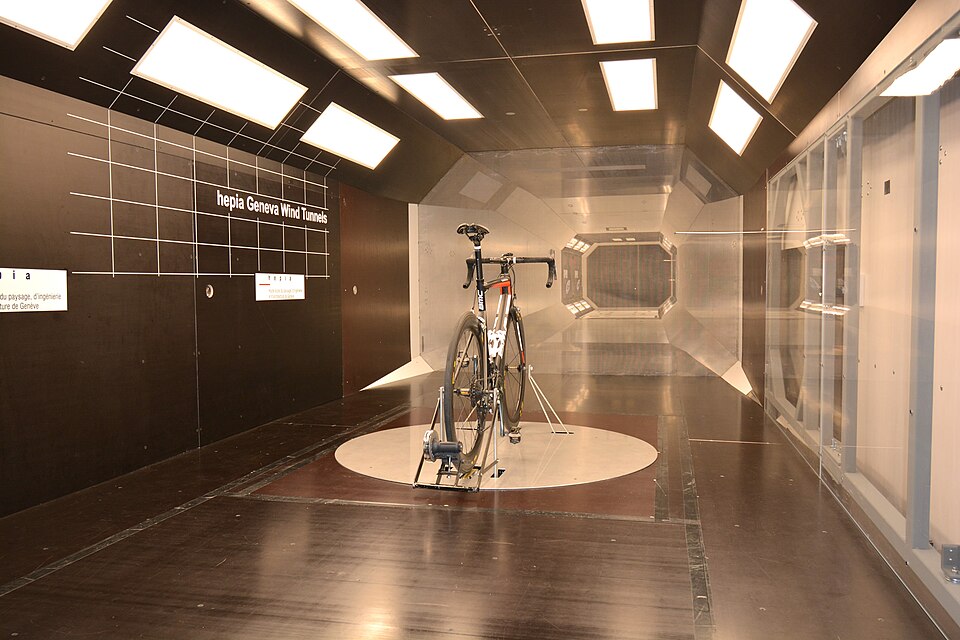
Clip-On Aero Bars: 15+ Watt Savings on Long Rides
Clip-on aero bars represent one of the most cost-effective aerodynamic upgrades available to road cyclists. According to YouTube cycling experts, these bars can save over 15 watts for long, non-drafting rides. The savings become even more significant when considering real-world scenarios – for a 180-pound rider maintaining 180 watts, aero bars can save over 14 minutes on a 10-mile ride with an 18-mph headwind, based on SILCA’s testing data. This dramatic time saving occurs because aero bars allow riders to achieve a more aerodynamic position by extending their arms forward and lowering their torso. The investment in clip-on bars typically costs far less than deep-section wheels while providing comparable aerodynamic benefits, making them an excellent first upgrade for cyclists looking to improve their speed. Once you’ve optimized your position, you might want to explore Finding the Best Cycling Routes Near You: A Local Guide to test your new setup on different terrain — road cycling.
The effectiveness of clip-on bars depends on proper installation and adjustment. The bars should be positioned so the rider can maintain a comfortable, sustainable position without excessive strain on the neck, shoulders, or lower back. Many cyclists find that starting with a slightly higher position and gradually lowering it as their flexibility improves leads to better long-term results. The transition to using clip-on bars also requires practice to ensure safe handling, especially in group rides or technical terrain.
Deep-Section Wheels and Aero Helmets
-
Deep-section wheels (50-90mm): YouTube cycling channels consistently recommend wheels in this depth range for optimal drag reduction, with deeper front rims providing maximum impact on overall aerodynamics. The 50-90mm range represents the sweet spot where aerodynamic benefits are maximized while crosswind stability remains acceptable for most riders. Wheels deeper than 90mm can offer additional speed gains but may become problematic in gusty conditions.
-
Aero road helmets: Research shows aero helmets can save significant energy compared to traditional vented helmets, with some models reducing drag by up to 8-10 watts at racing speeds. The savings are most pronounced in time trials and solo efforts where the rider maintains a consistent position. However, the benefits are reduced in group riding or climbing where speeds are lower and ventilation becomes more important.
-
Crosswind stability: SILCA testing reveals that deep-section wheels can become unstable in strong crosswinds, requiring riders to balance aerodynamic benefits against handling considerations. The front wheel is particularly susceptible to crosswinds, which is why many professionals use slightly shallower front wheels than rear wheels. Riders should test their wheel choices in various wind conditions before committing to them for important events.
-
Front wheel priority: The front wheel contributes more to overall aerodynamic drag than the rear wheel, making it the priority for upgrade when budget is limited. This is because the front wheel is the first point of contact with the air and creates the initial disturbance that affects the entire bike’s aerodynamics. A deep-section front wheel paired with a standard rear wheel often provides better overall performance than two moderately deep wheels.
Balancing Aero Gains with Comfort and Sustainability
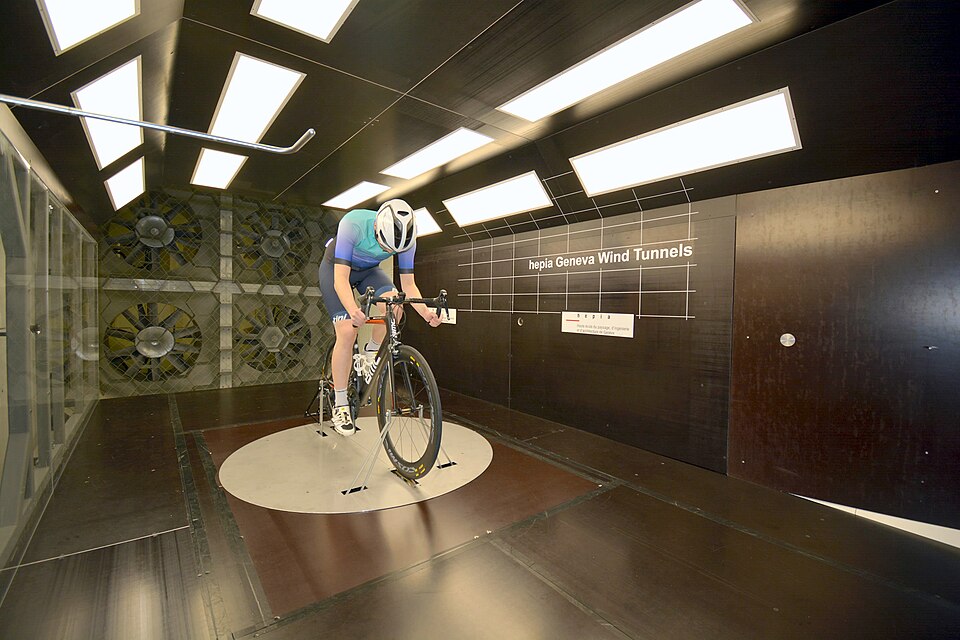
Aggressive Position Only Works If Sustainable
An aggressive aero position provides no benefit if the rider cannot maintain it throughout their ride. SILCA’s research emphasizes that discomfort leads to increased drag as riders unconsciously shift positions to relieve pain or fatigue. The most aerodynamic position in the world becomes counterproductive if it causes the rider to tense up, move around, or eventually sit up to relieve discomfort. This principle explains why professional cyclists often appear less extreme in their positions than amateur riders – they’ve learned that sustainable speed beats maximum theoretical aerodynamics. The key is finding a position that balances aerodynamic efficiency with the ability to maintain power output and comfort over the duration of the ride.
Sustainability also involves the rider’s ability to produce power effectively in the aero position. Some riders experience a significant drop in power output when adopting an aggressive position, negating any aerodynamic benefits. Professional bike fitting can help identify the optimal balance between aerodynamics and power production for each individual rider. This often involves compromises, such as accepting slightly more drag in exchange for maintaining 10-15 watts more power output. Regular maintenance ensures your bike performs optimally in any position, which is why following a Complete Bike Maintenance Checklist Every Cyclist Should Follow is essential for serious riders.
Equipment and Fit for Long-Term Aero Performance
-
Narrower handlebars: Using narrower, shallow-drop handlebars or carbon bars leads to better, more comfortable, and faster positioning by reducing shoulder width and improving control. The transition to narrower bars should be gradual, as sudden changes can affect handling and comfort. Many riders find that 38-40 cm bars provide an excellent balance between aerodynamics and control, though individual preferences vary based on shoulder width and riding style.
-
Short-nosed saddles with cutouts: YouTube cycling experts recommend these designs for aggressive positions, as they improve comfort and blood flow when riding in low positions. Traditional saddles can cause pressure points and discomfort when the rider is in an extreme aero position, leading to reduced performance and potential injury. The cutout design helps distribute pressure more evenly and improves circulation during long rides.
-
Tight-fitting apparel: research, form-fitting clothing can reduce the remaining 20% of drag caused by the bike and equipment. Loose-fitting jerseys and shorts create additional turbulence and drag, particularly in windy conditions. Professional time trial suits are designed to be skin-tight with minimal seams and aerodynamic features like textured fabrics that help manage airflow. Even small details like tucking in jersey tails and using aero shoe covers can contribute to overall speed gains.
-
Aero hoods position: SILCA testing suggests that the “aero hoods” position can be faster, more stable, and more comfortable than traditional drops for many riders. This position involves holding the brake hoods with elbows tucked and forearms relatively horizontal, similar to the position used with clip-on bars. The advantage is that riders can easily access brakes and shifters while maintaining good aerodynamics, making it particularly useful for road racing where frequent position changes are necessary.
The most surprising finding from aerodynamic research is that the rider’s body position matters more than any equipment upgrade – yet most cyclists focus on buying faster wheels before perfecting their position. The single most effective action you can take right now is to get a professional bike fit that optimizes your position for both aerodynamics and comfort. This one step can save you more time than any equipment upgrade and will make every future investment in aerodynamic gear more effective.
Learn more about road cycling performance and how professional cyclists optimize their equipment for maximum efficiency.