- Hill repeats build climbing strength through structured high-intensity intervals on 6-8% gradients
- Professional protocols use 6-12 minute climbs at 95-100% FTP with 70-85 rpm cadence
- Low cadence strength training (50-60 rpm) develops top-end climbing power
- Over-under workouts prepare cyclists for real-world climbing surges and attacks
Emma Johansson, nicknamed “Silver Emma” for her consistent podium finishes, built her climbing success through structured hill repeat training that amateur cyclists can replicate. Her two Olympic silver medals (2008, 2016) and world number-one ranking in 2013 came from calculated efforts on steep terrain rather than sporadic maximum-intensity sessions.
Hill repeat training builds climbing strength by accumulating time at high intensity, specifically targeting lactate threshold improvement. The core protocol involves multiple 6-12 minute climbs on steady 6-8% gradients at 95-100% of functional threshold power (FTP), or 8-9 on a 1-10 rate of perceived exertion (RPE) scale. Cyclists maintain 70-85 rpm cadence to focus on power development, with recovery consisting of easy, light-pedaling descents for half the climb duration.
Hill Repeat Training Protocols for Climbing Strength
Structured Hill Repeat Workouts
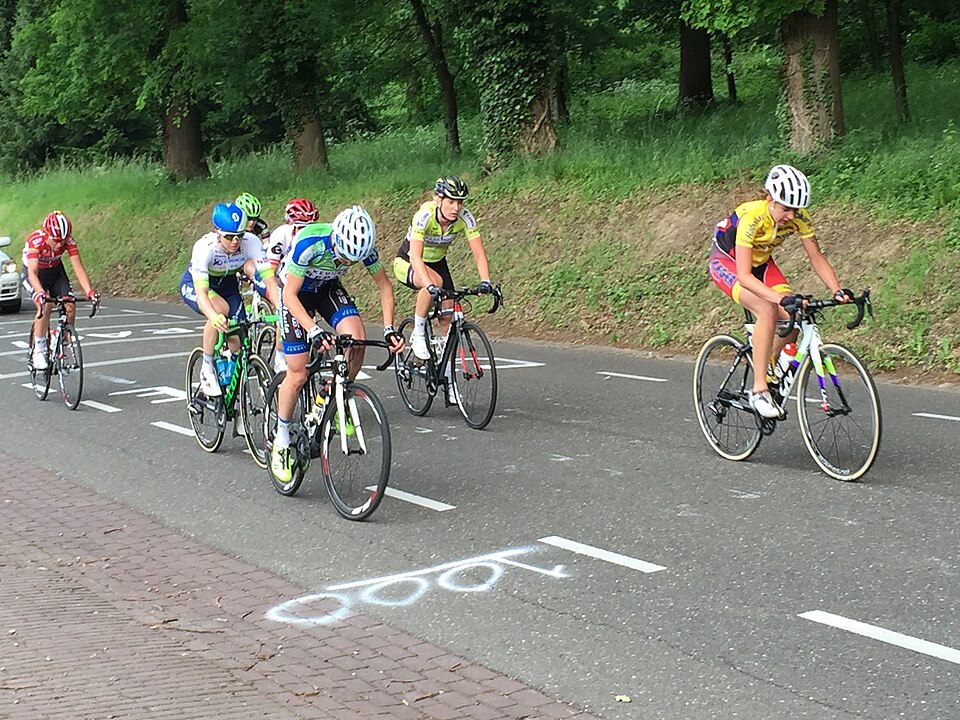
The foundation of climbing strength comes from consistent hill repeat sessions. Each climb lasts 6-12 minutes on a 6-8% gradient, targeting 95-100% FTP intensity. This specific gradient range provides enough challenge to build strength without causing excessive fatigue that would compromise form.
Cadence plays a crucial role in these workouts. Maintaining 70-85 rpm focuses on power development, while slightly higher cadences improve cardiovascular endurance. The recovery protocol is equally important – cyclists rest with easy pedaling descents lasting half the climb time, allowing partial recovery while maintaining workout continuity.
Professional cyclists like Emma Johansson emphasize consistency over intensity. Rather than relying on sporadic maximum-effort sessions, successful climbing development comes from regular, structured workouts that progressively build strength and endurance.
Intensity and Recovery Guidelines
The RPE scale provides a practical intensity measure when power meters aren’t available. Climbing at 8-9 on a 1-10 scale indicates high but sustainable effort. This intensity level accumulates the time at threshold needed for climbing adaptations without causing excessive fatigue.
Recovery duration follows a specific ratio – half the climb time spent in easy pedaling. For a 10-minute climb, cyclists recover for 5 minutes before the next effort. This approach balances adequate recovery with workout density.
Frequency recommendations suggest 1-2 hill repeat sessions per week during structured training plans. This frequency allows sufficient recovery between sessions while providing enough stimulus for adaptation. Elite cyclists often use a polarized training model, with 80% of training at low intensity (Zone 2) and 20% at high intensity.
Professional Training Philosophy
Emma Johansson’s career longevity demonstrates the importance of avoiding overtraining. Her success came from calculated efforts rather than sporadic maximum-intensity sessions. This philosophy translates directly to amateur training – consistency and proper recovery matter more than occasional heroic efforts.
The professional approach emphasizes listening to your body and adjusting training based on fatigue levels. Some days require backing off intensity or duration, while others allow pushing harder. This flexibility prevents burnout and injury while maintaining steady progress.
Muscular Strength Training for Climbing Power

Low Cadence Hill Climbing
Building top-end climbing power requires specific low-cadence training. Cyclists find moderate hills and climb in large gears, keeping RPMs between 50-60. This low cadence range increases torque on the pedals, developing the raw strength needed for steep climbs.
The workout structure focuses on seated climbing form. Maintaining good posture while generating high torque builds strength in the thighs and lower back. This position-specific strength translates directly to climbing performance, where standing frequently wastes energy.
Big gear selection typically involves using the big ring with middle cassette cogs. This gear combination provides enough resistance to build strength without making the workout unmanageable. The goal isn’t speed but rather developing the muscular power to handle steep gradients.
Big Gear Interval Workouts
Moderate hill selection proves crucial for big gear intervals. Hills that take 5-8 minutes to climb provide enough time under tension for strength development without excessive fatigue. The gradient should be challenging but not so steep that maintaining form becomes impossible.
Gear selection strategy involves finding the right balance between resistance and cadence. The target is 50-60 RPM, which feels significantly slower than normal riding. This deliberate slowness forces the muscles to generate more force per pedal stroke, building climbing-specific strength.
Torque development occurs through sustained efforts in the big gear. Each pedal stroke requires more force than normal riding, creating the muscular adaptations needed for steep climbs. This training develops the ability to maintain power on gradients where cadence naturally drops.
Strength vs Endurance Balance
Power development and cardiovascular endurance serve different climbing needs. Strength training builds the raw force needed for steep sections, while endurance work develops the ability to sustain efforts over long climbs. Both components prove essential for comprehensive climbing ability.
Training periodization helps balance these different qualities. Early season focus might emphasize strength development through low-cadence work, while later periods shift toward endurance and threshold work. This progression ensures cyclists peak with the right combination of qualities.
The balance also depends on individual climbing style and race demands. Puncheurs benefit more from strength work, while climbers need greater endurance. Understanding your specific needs helps prioritize training components effectively.
Advanced Climbing Workout Variations
Over-Under Climbing Intervals
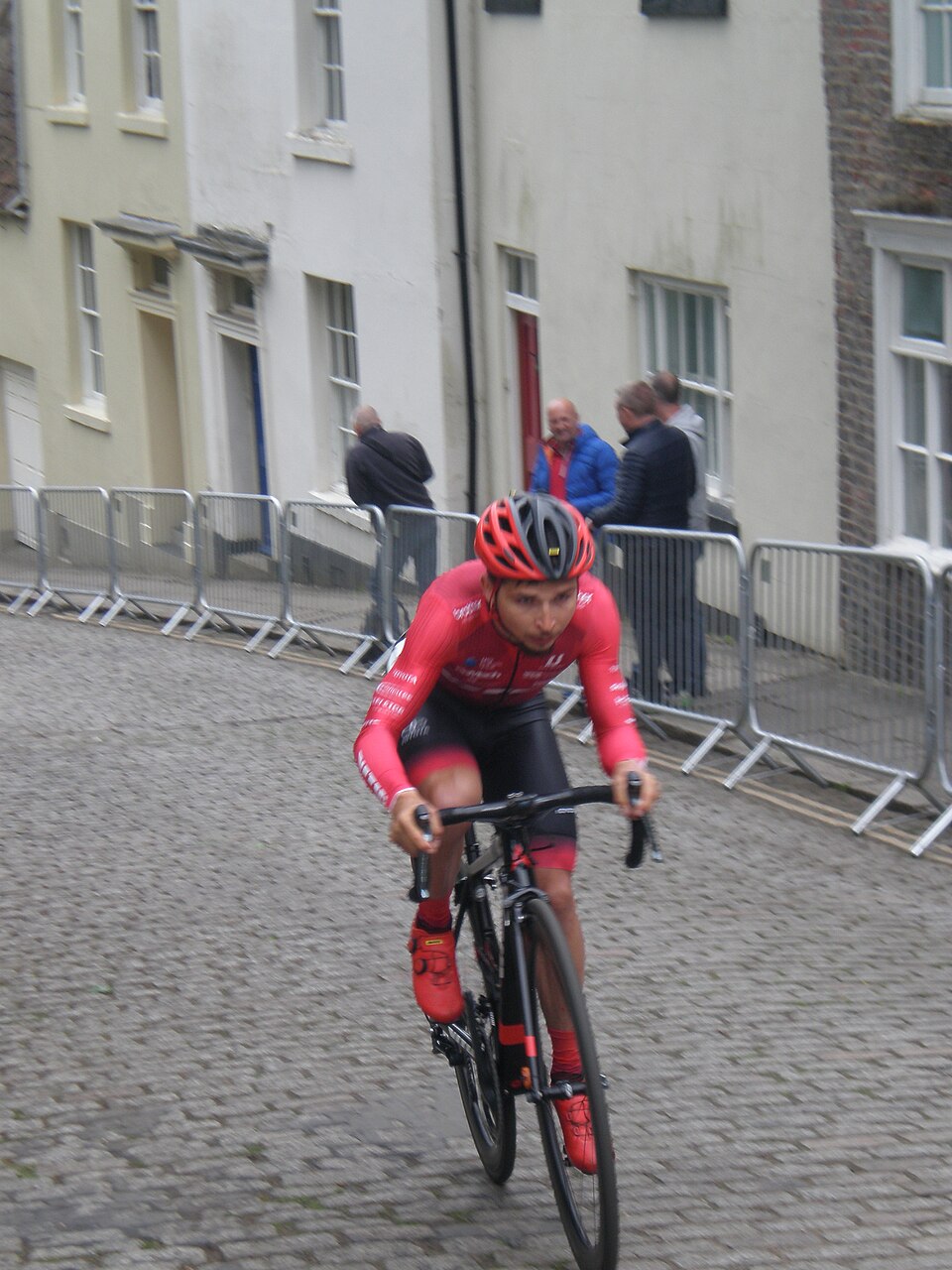
Surge training prepares cyclists for real-world climbing scenarios where grade changes or attacks require sudden power increases. The over-under protocol involves 3-4 sets of 9-12 minutes, alternating between 2 minutes slightly below threshold and 1 minute above threshold.
This structure mimics the demands of racing, where riders must handle repeated surges on climbs. The “under” portions build threshold endurance, while “over” portions develop the ability to respond to attacks or handle steeper sections.
Handling grade changes becomes easier with over-under training. The protocol’s alternating intensities prepare cyclists for the variable nature of real climbs, where constant gradient changes require frequent power adjustments.
Climbing Workout Progression
Beginner progression starts with shorter climbs and lower intensities. Initial workouts might involve 4-6 minute climbs at 85-90% FTP, gradually building to the full 6-12 minute protocol at 95-100% FTP. This progression prevents injury while building confidence.
Volume increases occur through adding more repeats rather than extending individual climb duration. A beginner might start with 3 repeats, progressing to 6-8 repeats as fitness improves. This approach maintains workout quality while building total climbing volume.
Intensity adjustments follow fitness improvements. As cyclists adapt to the standard protocol, they can increase intensity through steeper gradients or higher cadences. These adjustments keep the workouts challenging while targeting specific climbing weaknesses.
What’s Next
The counter-intuitive finding that consistency beats intensity in climbing training reveals why Emma Johansson’s methodical approach succeeded where sporadic maximum efforts failed. Her career demonstrates that sustainable progress comes from regular, structured workouts rather than occasional heroic efforts.
To implement these principles, start a 6-week hill repeat progression plan. Week 1: 3 repeats of 6-minute climbs at 85% FTP. Week 2: 4 repeats at same intensity. Week 3: 5 repeats. Week 4: 4 repeats at 90% FTP. Week 5: 5 repeats at 90% FTP. Week 6: 6 repeats at 95% FTP. This gradual progression builds climbing strength while preventing overtraining.
Ready to build your climbing strength? Learn more about road cycling training principles that have helped elite cyclists like Emma Johansson achieve podium finishes consistently.