Cycling base training is the 6-12 week foundation phase that builds your aerobic engine through Zone 1-2 riding, preparing your body for intense training ahead.
- Base training builds aerobic capacity through 6-12 weeks of Zone 1-2 riding at 55-75% FTP
- Traditional approach requires 10-20+ hours weekly; time-crunched option needs only 5-8 hours
- Sample workout: 15-minute intervals at 89-94% FTP improve aerobic power
- Benefits include improved fat metabolism, capillarization, and faster recovery
What is cycling base training and why does it matter?
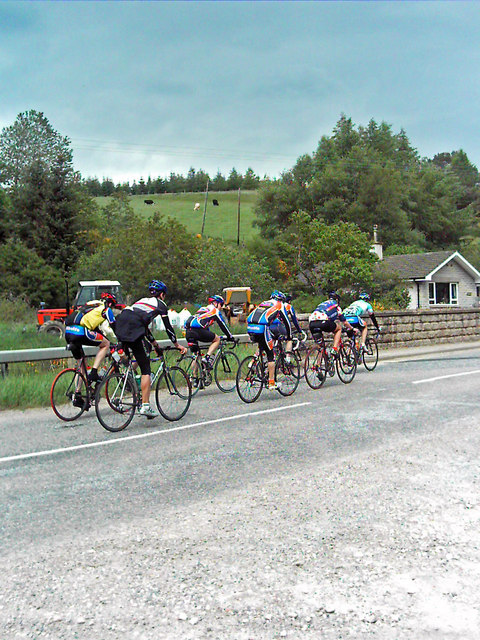
The science behind aerobic base development
Cycling base training is a foundational low-intensity, high-volume phase (typically 3-12 weeks in winter/off-season) focused on aerobic development. This training builds endurance by increasing mitochondrial density, capillarization, fat metabolism, and cardiac output for better oxygen utilization and sustained efforts (TrainerRoad, 2025; TrainingPeaks, undated; Evoq.Bike, Nov 2025).
During base training, your body undergoes specific physiological adaptations. Mitochondria, the powerhouses of your cells, multiply and become more efficient at producing energy. Capillaries, the tiny blood vessels that deliver oxygen to your muscles, increase in number and density. Your body also becomes better at using fat as fuel, sparing precious glycogen stores for when you really need them. If you’re just starting out, you might want to check out these Essential Cycling Tips for Beginners Starting Their Journey to build your foundation safely.
These adaptations matter because they form the foundation for all higher-intensity training to come. Without a solid aerobic base, your body cannot recover effectively between hard efforts or sustain power outputs for extended periods. Think of base training as building the engine before you try to win the race.
Benefits you’ll gain from proper base training
Proper base training delivers five key benefits that directly improve your cycling performance: — road cycling.
Improved aerobic capacity – Your body becomes more efficient at using oxygen, allowing you to ride longer at sustainable intensities without fatigue.
Muscular endurance – Your muscles develop the ability to contract repeatedly without tiring, essential for long rides and races.
Enhanced fat metabolism – Your body learns to burn fat more efficiently, preserving glycogen stores and reducing the need for frequent fueling.
Faster recovery – A stronger aerobic system helps you recover more quickly between training sessions and hard efforts during races.
Reduced fatigue in races – With a solid base, you’ll experience less overall fatigue during long events, allowing you to maintain better form and power output throughout.
How to structure your base training: zones, volume, and workout types

Understanding Zone 1-2 training: the foundation of base building
The primary focus of base training is Zone 1-2 rides (conversational pace, 55-75% FTP or 70-85% max HR) emphasizing consistency and volume over intensity (AI Overview from SERP; Joe Friel via TrainingBible, 2008 updated). These rides should feel “easy” – you should be able to hold a conversation comfortably throughout.
Zone 1 represents very easy riding, typically 55-65% of your FTP, where you’re barely breaking a sweat. Zone 2 is slightly harder, 65-75% FTP, where you can still talk easily but feel like you’re doing some work. The key is staying in these zones even when you feel like you could go harder.
Low intensity is crucial for base building because it allows your body to adapt without creating excessive stress. When you ride too hard during base training, you shift from aerobic to anaerobic metabolism, which is counterproductive to the adaptations you’re trying to achieve. The “no pain, no gain” mentality actually hinders your progress during this phase.
Traditional vs time-crunched approaches: 10-20+ hrs vs 5-8 hrs
Base training can be approached two ways depending on your available time:
Traditional approach – 10-20+ hours per week in Zone 2. This method builds the most comprehensive aerobic foundation and works best for athletes with flexible schedules or those targeting long events. If you’re considering upgrading your bike for base training, check out these Top Road Bike Reviews 2024: Best Models Compared to find the right equipment.
Time-crunched Sweet Spot Base – 5-8 hours per week using Tempo/Sweet Spot training at 88-94% FTP (TrainerRoad). This approach maintains aerobic development while fitting into busy schedules, making it ideal for working professionals or those with family commitments.
The traditional approach provides deeper adaptations but requires significant time commitment. The Sweet Spot alternative offers a practical compromise, maintaining most benefits while reducing total training hours by 60% or more. Choose based on your lifestyle constraints and racing goals.
Sample workouts and progression
Here are specific workout examples you can implement immediately:
Long Steady Distance (LSD) ride – 2-4+ hours at 65-75% FTP. These endurance rides form the backbone of base training, building your ability to ride for extended periods. For your LSD rides, consider exploring some of the best cycling routes near me to keep your training interesting.
Sweet Spot intervals – 3×15 minutes at 88-94% FTP with 5-minute recoveries. These intervals improve your ability to sustain moderate power outputs while staying mostly aerobic.
Recovery ride – 60-90 minutes at 55-65% FTP. These easy spins promote blood flow and recovery without adding stress.
Cadence pyramids – 10 minutes alternating between 90-100 RPM and 70-80 RPM every 2 minutes. This develops pedaling efficiency and engages different muscle fibers.
Progress by gradually increasing duration or frequency rather than intensity. Add 15-30 minutes to your longest ride each week, or add one more Zone 2 session to your weekly schedule.
Key workouts and training strategies for base phase success

Long Steady Distance (LSD) rides: building endurance volume
Long Steady Distance rides are the cornerstone of base training. These endurance rides typically last 2-4+ hours at a steady Zone 2 pace. The goal is accumulating time in the saddle while maintaining proper intensity. Before heading out on long rides, make sure your bike is in top condition with this Complete Bike Maintenance Checklist Every Cyclist Should Follow.
Structure your LSD rides with a gradual warm-up of 15-20 minutes, followed by the main endurance block, and finish with a 10-15 minute cool-down. During the main block, focus on maintaining consistent power or heart rate within your Zone 2 range.
Occasionally incorporate strength efforts like low-cadence climbs (70-80 RPM) for 5-10 minute intervals. These efforts build muscular endurance without pushing you into anaerobic territory. Keep your breathing controlled and maintain the ability to speak in full sentences throughout.
High-cadence spins and neuromuscular sprints
High-cadence work develops pedaling efficiency and reduces muscular fatigue. Include 10-15 minute blocks where you maintain 100-110 RPM at very low power (55-65% FTP). This teaches your nervous system to fire muscles more efficiently and reduces the strain on your legs during long rides.
Neuromuscular sprints of 15-20 seconds at near-maximum cadence (120+ RPM) with full recovery between efforts help maintain your top-end speed and improve your ability to respond to attacks or changes in pace. These short efforts don’t create significant fatigue but keep your fast-twitch muscle fibers engaged.
Perform high-cadence work on flat sections or slight downhills where you can maintain high RPM without excessive resistance. The goal is smooth, controlled spinning rather than straining against high resistance.
Integrating strength training and recovery
Base training pairs well with complementary strength work. Schedule 2 weekly strength sessions focusing on functional movements like squats, lunges, deadlifts, and core exercises. These sessions should be moderate intensity – around 70-80% of your maximum effort for 8-12 repetitions. Women cyclists should also consider this Essential Cycling Gear for Women: What You Really Need to ensure comfort during long base training sessions.
Time your strength workouts for days when you have easier Zone 2 rides or complete rest days. This prevents interference with your cycling adaptations while still providing strength benefits. If you must do both on the same day, perform strength work in the morning and cycling in the afternoon, allowing 4-6 hours between sessions.
Recovery between workouts is crucial during base training. Aim for 7-9 hours of sleep nightly, and consider active recovery methods like light stretching, foam rolling, or easy walking on complete rest days. Proper nutrition supports your adaptations – consume adequate protein for muscle repair and maintain good hydration throughout your training week.
The biggest mistake cyclists make in base training is going too hard – staying in Zone 2 might feel “too easy,” but that’s exactly where the aerobic adaptations happen. Start with three Zone 2 rides this week using the TrainerRoad Sweet Spot Base plan (trainerroad.com) to build your foundation efficiently. If you’re new to structured training, this beginner cycling training plan can help you build your fitness safely.