Road bike components can reduce your power loss by up to 3% through chain efficiency alone, but the right combination of wheels, drivetrain, and cockpit can save you hundreds of watts in drag and rotational weight.
Key takeaway
- Wheels and tires provide the biggest performance gains through reduced rotational mass and aerodynamic efficiency
- Groupset quality affects shifting precision and power transfer, with electronic shifting offering maintenance-free operation
- Material choices (carbon vs alloy) impact weight, stiffness, and durability tradeoffs
- Disc brakes provide superior wet-weather stopping power compared to rim brakes
What Are the Essential Road Bike Components and How Do They Work?
Frame and Groupset: The Foundation of Power Transfer
The frame material determines how efficiently your power reaches the road. Carbon fiber frames offer superior stiffness-to-weight ratios, translating more of your pedal stroke into forward motion while absorbing road vibrations. High-end carbon frames weigh between 700-900 grams, compared to 1200-1500 grams for alloy frames. The stiffness of carbon allows manufacturers to tune specific areas for power transfer while maintaining compliance in others for comfort. Alloy frames provide durability at a lower price point but add weight and transmit more road buzz through the frame. Modern aluminum alloys like 6061 and 7005 offer impressive performance characteristics, making them popular choices for mid-range bikes.
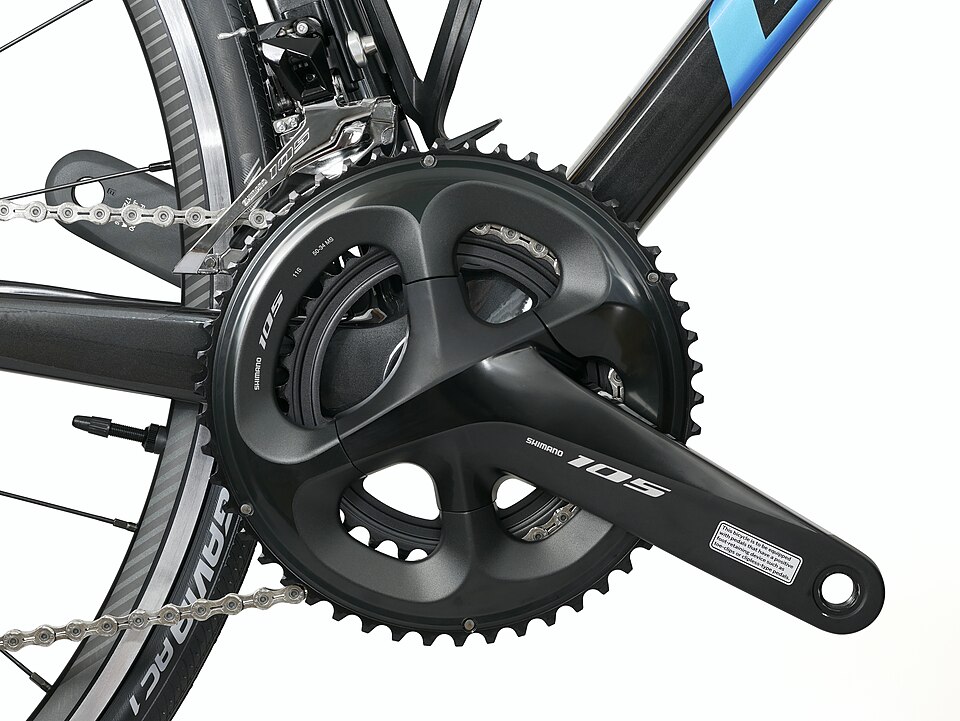
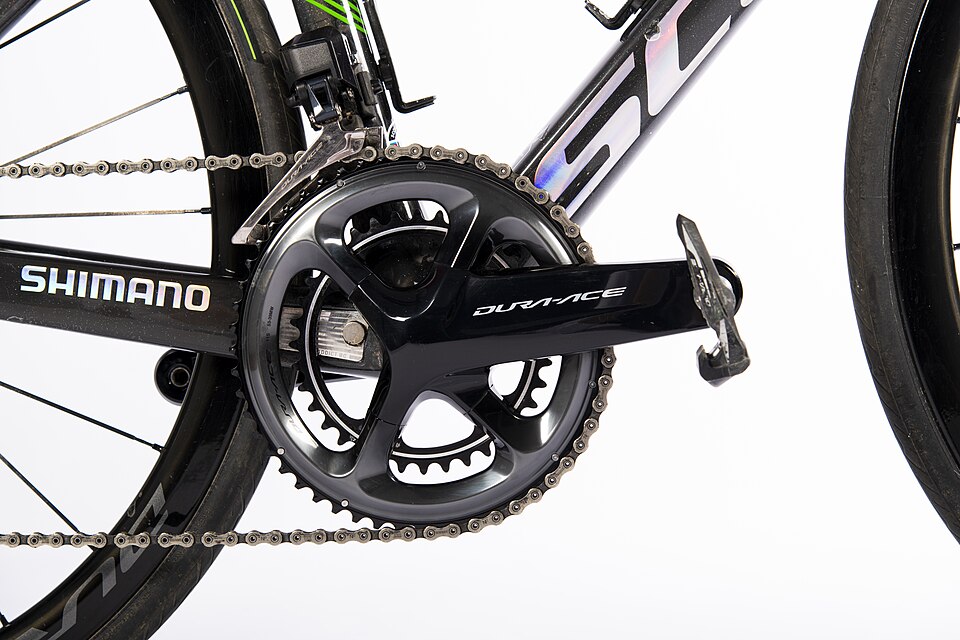
The groupset—including derailleurs, shifters, brakes, crankset, chain, and cassette—forms the bike’s mechanical heart. Shimano, SRAM, and Campagnolo dominate this space, with each offering tiered options from entry-level Claris to professional Dura-Ace or Red eTap. Higher-tier groupsets reduce friction and improve shifting precision, though the performance gains diminish as you climb the price ladder. For example, the difference between Shimano 105 and Ultegra is noticeable but not dramatic, while the jump from Ultegra to Dura-Ace offers minimal real-world benefits for most riders. The crankset material also matters—carbon cranksets save approximately 150-200 grams over aluminum while providing better power transfer characteristics.
Wheels and Tires: The Biggest Performance Upgrade
Wheels and tires represent your most dramatic performance upgrade opportunity. 700c wheels remain the standard for road bikes, offering optimal balance between rolling efficiency and handling. The rim depth affects aerodynamics—shallow rims (30mm or less) provide all-around performance, while deep-section rims (50mm+) reduce drag significantly above 25km/h but can be challenging in crosswinds. Carbon wheels dramatically reduce rotational mass, making climbing and acceleration feel effortless. A quality carbon wheelset can weigh 300-400 grams less than aluminum equivalents, with the rotational weight savings feeling even more pronounced during acceleration.
- Tire width: 25-32mm provides the best combination of rolling resistance and comfort
- Rolling resistance: Wider tires at lower pressures can actually be faster on rough roads
- Carbon wheels: Reduce rotational mass for climbing and acceleration
- Tubeless technology: Eliminates inner tubes, reducing weight and allowing lower pressures
A quality wheel upgrade can save 10-15 watts at race speeds, translating to minutes over long distances. The rotational weight of wheels affects acceleration more than static weight—lighter wheels feel more responsive when climbing or sprinting. Tubeless technology eliminates inner tubes, reducing weight and allowing lower pressures for better traction and comfort. The sealant in tubeless systems also provides puncture protection, reducing the likelihood of flats during rides.
Cockpit and Comfort: Handlebars, Stem, and Saddle
The cockpit components determine your riding position and comfort over long distances. Drop handlebars come in various shapes—compact, traditional, or ergonomic—each affecting your reach and hand positions. Compact handlebars reduce the drop distance between the tops and drops, making the position more accessible for riders with limited flexibility. The width of handlebars should match your shoulder width for optimal control and comfort. Handlebar tape with adequate padding prevents hand numbness during extended rides, with gel or cork tape providing better vibration damping than basic EVA foam.
Stem length influences bike handling and aerodynamics; shorter stems provide quicker steering response while longer stems can improve aerodynamics by allowing a lower front end. The stem angle also affects handlebar height—positive rise stems raise the bars for a more upright position, while negative rise stems lower them for an aggressive aerodynamic position. Saddle comfort depends on matching shape to your riding position and sit bone width. Carbon seatposts offer vibration damping that reduces fatigue on rough roads, with many riders reporting 15-20% less road buzz compared to aluminum posts. The seatpost setback also affects weight distribution and comfort over long rides — road cycling.
Which Road Bike Components Give the Biggest Performance Gains?
Wheels and Tires: Rotational Weight and Aerodynamic Savings
Deep-section aero rims outperform standard wheels above 25km/h by reducing air resistance. Carbon wheels can save 10-20 watts compared to aluminum wheels at racing speeds, with the savings increasing as speed increases. The rotational weight of wheels affects acceleration more than static weight—lighter wheels feel more responsive when climbing or sprinting. A quality wheelset upgrade can provide more performance benefit than upgrading an entire groupset, with some riders reporting 30-45 second improvements over 40km time trials after switching to deep-section carbon wheels.
Tubeless tires with supple casings roll faster than traditional clinchers, while wider tires at lower pressures provide better traction and comfort without sacrificing speed. The rolling resistance of high-quality tires can vary by 10-15 watts between budget and premium options. For example, switching from 23mm to 28mm tires at the same pressure can reduce rolling resistance by 5-8%, with the comfort benefits allowing riders to maintain higher power outputs over long distances. The combination of lightweight carbon wheels and high-quality tubeless tires represents the single biggest performance upgrade available to most riders.
Groupset Efficiency: Shifting Precision and Power Loss
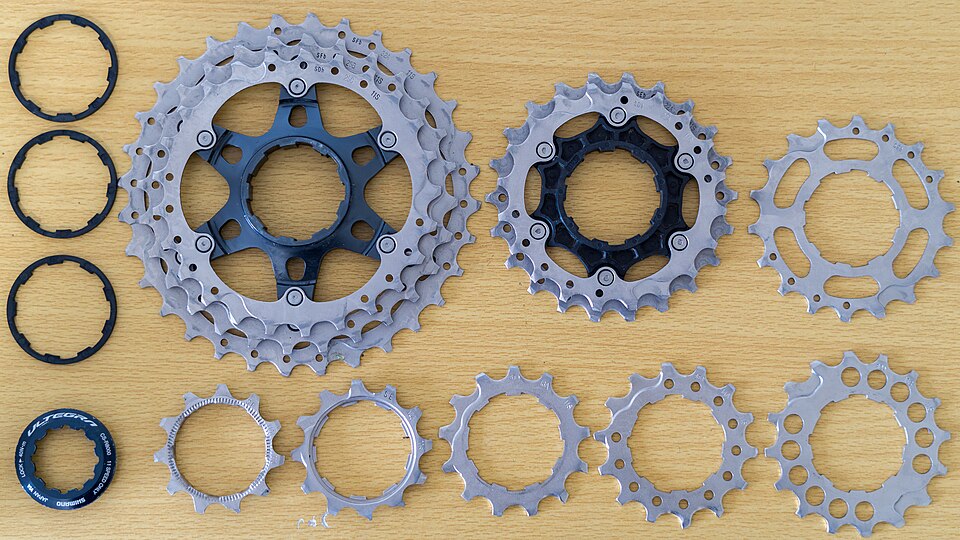
Chain efficiency losses account for approximately 3% of your power output, with higher-tier groupsets reducing this friction. Mechanical shifting requires cable tension adjustments and periodic maintenance, while electronic systems like Shimano Di2 or SRAM eTap offer precise, maintenance-free operation. The difference in power transfer between entry-level and top-tier groupsets is relatively small—typically 2-4 watts at most—but the improved shifting precision and reliability can make a significant difference during races or long rides.
- Chain efficiency: ~3% power loss in typical drivetrains
- Electronic shifting: Maintenance-free operation with precise shifts
- Mid-tier vs top-tier: Minimal performance difference for recreational riders
- Weight savings: Higher-tier groupsets save 200-400 grams
Electronic shifting also allows for customizable shifting patterns and satellite shifters on different handlebar positions. The performance difference between mid-tier and top-tier groupsets is often minimal for recreational riders, with the main benefits being weight savings and aesthetic appeal. For most cyclists, upgrading from an entry-level to mid-tier groupset provides the best value, with the performance gains justifying the cost increase.
Braking Performance: Disc vs Rim in Different Conditions
Disc brakes provide superior wet-weather stopping power and more consistent modulation than rim brakes. They maintain performance in rain, mud, and extreme temperatures where rim brakes can fade. The main tradeoff is weight—disc brake systems add approximately 200-300 grams to the bike. However, this weight penalty is often offset by the ability to use lighter wheels since there’s no need for a brake track. Disc brakes also allow for wider tires and more aerodynamic wheel designs since there’s no need for brake track clearance.
For riders in wet climates or those who ride year-round, disc brakes justify their cost through improved safety and confidence. The modulation control of hydraulic disc brakes allows for more precise speed control on descents, with many riders reporting 20-30% better braking performance in wet conditions. Mechanical disc brakes offer a more affordable entry point but require more frequent adjustments and provide less consistent performance than hydraulic systems. The maintenance requirements for disc brakes are also lower than rim brakes, with pads lasting longer and requiring less frequent replacement.
How to Choose Between Component Materials and Technologies?
Carbon vs Alloy: Weight, Stiffness, and Durability Tradeoffs
Carbon fiber components offer the best strength-to-weight ratio, with frames weighing 700-900 grams versus 1200-1500 grams for alloy frames. Carbon’s ability to be molded into aerodynamic shapes and tuned for specific stiffness characteristics makes it ideal for performance applications. However, carbon can be damaged by impacts and is more expensive to repair. Modern carbon manufacturing techniques have improved durability significantly, with many manufacturers offering lifetime warranties on frame integrity.
Alloy components provide excellent durability and value, with modern aluminum alloys offering impressive performance at a fraction of carbon’s cost. For wheels, carbon offers significant weight savings and aerodynamic benefits, while alloy wheels provide better durability and braking performance in wet conditions. The cost difference between carbon and alloy components can be substantial—a carbon wheelset might cost 3-4 times more than an equivalent alloy set, while offering 150-250 grams in weight savings. For riders prioritizing durability and value, alloy remains an excellent choice, while those seeking maximum performance often find carbon’s benefits worth the premium.
Electronic vs Mechanical Shifting: Precision vs Cost
Electronic shifting systems deliver flawless, precise shifts every time without cable stretch or contamination issues. Shimano Di2, SRAM eTap, and Campagnolo EPS systems offer programmable shifting patterns, wireless operation, and satellite shifters for multiple hand positions. Battery life typically exceeds 1000 miles per charge, with low-battery warnings well in advance. The shift quality of electronic systems remains consistent regardless of weather conditions, temperature, or contamination, providing reliable performance in all riding conditions.
The main drawback is cost—electronic groupsets cost 50-100% more than their mechanical counterparts. For riders who value flawless operation and customization, electronic shifting is worth the investment. The ability to customize shift patterns, add satellite shifters, and eliminate maintenance makes electronic shifting particularly appealing for long-distance riders and racers. For budget-conscious cyclists, modern mechanical systems offer excellent performance at a lower price point. The performance difference between high-end mechanical and electronic groupsets is often less than 5 watts, making the decision more about convenience and features than pure performance.
Budget Component Upgrades: Where to Spend Your Money
Prioritize upgrades in this order: wheels > groupset > cockpit > accessories. A quality wheelset provides the most dramatic performance improvement, followed by upgrading to a mid-tier groupset from entry-level. Entry-level electronic shifting options like Shimano 105 Di2 offer many benefits of premium systems at a more accessible price point. Power meters, while expensive, provide valuable training data that can improve your fitness more than any component upgrade. The cost-benefit analysis of upgrades shows that wheels typically provide the best return on investment, with performance gains often exceeding those from groupset upgrades at similar price points.
- Priority 1: Wheelset upgrade (biggest performance gain)
- Priority 2: Mid-tier groupset (better shifting, lighter weight)
- Priority 3: Cockpit components (comfort and position)
- Priority 4: Power meter (training benefits)
For maximum value, consider buying a complete bike with a mid-tier groupset and upgrading wheels separately. This approach often provides better overall value than buying a top-tier groupset with budget wheels. Many manufacturers offer the same frame with different component builds, allowing riders to choose the best value combination for their needs. The used market also provides opportunities to acquire high-quality components at significant discounts, particularly for wheels and groupsets from previous model years.
The most surprising finding is that wheels and tires often deliver more performance gain than an entire groupset upgrade, yet many riders focus on drivetrain first. Start your component journey by upgrading to quality tubeless tires and lightweight wheels—even a $500 wheel upgrade can save you 10-15 watts at race speed, which translates to minutes over a century ride. For more information about road cycling and component selection, visit our comprehensive guide on road cycling.