Road bike gearing can make or break your cycling experience. The right setup helps you maintain optimal cadence, conserve energy, and enjoy every ride. Emma Johansson, known as “Silver Emma” for her consistent podium finishes, excelled across varied terrain using versatile gearing that balanced climbing ability with flat-road speed. Her approach to road cycling demonstrates how proper gearing selection can enhance performance.
- Your riding style determines whether you need standard, semi-compact, or compact gearing
- Steep terrain requires compact chainrings with wide-range cassettes (11-32T or 11-34T)
- Emma Johansson’s all-around success suggests semi-compact setups offer the best versatility
How to Choose Road Bike Gearing Based on Your Riding Style
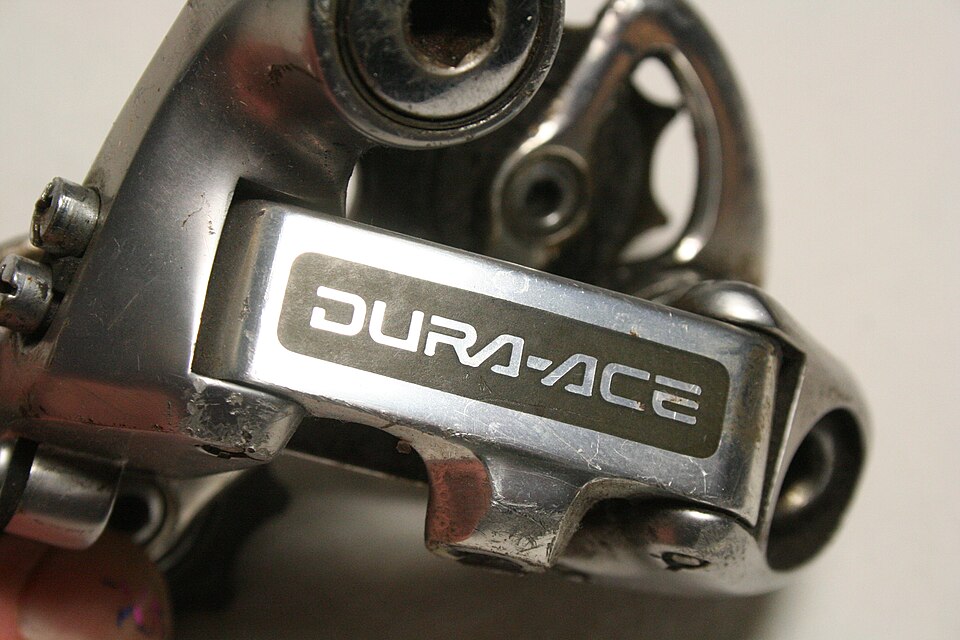
Rider Types and Their Gearing Needs: Competitor vs Climber vs Endurance
Different riding styles demand different gearing approaches. Understanding your primary riding type helps narrow down the best setup.
The Competitor/Sprinter focuses on high-speed performance on flat roads and descents. These riders need larger chainrings (53/39T) to maintain momentum at high speeds without spinning out. They prioritize top-end speed over climbing ease.
The Climber/All-Rounder handles steep gradients and rolling terrain. They require “easier” gears to maintain high cadence (spinning) without excessive fatigue. Compact chainrings (50/34T) paired with wide-range cassettes work best for this style.
The Endurance/Recreational Rider values comfort and versatility across mixed terrain. They need a broad gear range to handle everything from long climbs to fast group rides. Semi-compact setups (52/36T) offer the best balance for this riding style.
The Cadence Factor: How Your Pedaling Rhythm Affects Gearing Selection
Cadence refers to your pedaling speed, typically measured in revolutions per minute (RPM). Most cyclists maintain optimal power output between 80-100 RPM. Your preferred cadence significantly influences gearing choice.
Riders who prefer higher cadence (90+ RPM) benefit from smaller chainrings and wider-range cassettes. This allows smoother gear transitions and maintains pedaling efficiency across varied terrain. Lower-cadence riders (70-85 RPM) often prefer larger chainrings for more power per pedal stroke.
Fitness Level Considerations: Matching Gearing to Your Strength
Your physical capability directly impacts appropriate gearing selection. Stronger riders can handle larger chainrings and tighter cassette ranges, while developing cyclists benefit from easier gearing options.
Beginners and recreational riders should start with compact or semi-compact setups. This provides easier climbing gears and builds confidence on varied terrain. As fitness improves, you can transition to larger chainrings if needed. For those just starting out, our Essential Cycling Tips for Beginners Starting Their Journey offers valuable guidance.
Experienced cyclists with strong leg strength can handle standard racing gearing. They maintain high speeds on flats and have the power to tackle climbs without needing extremely low gears.
Road Bike Gearing Configurations Explained
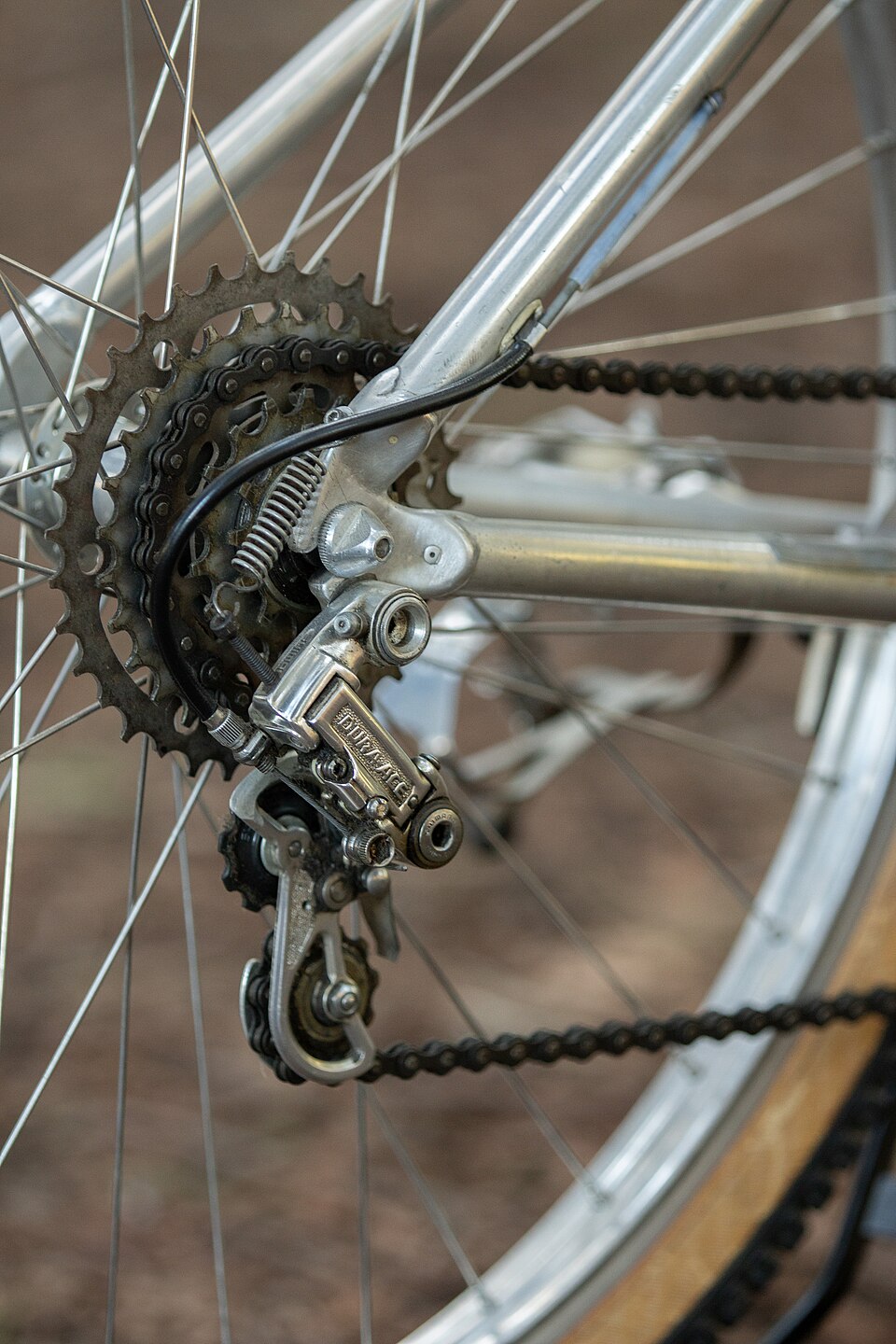
Standard Gearing (53/39T): The Racing Setup for Speed Demons
Standard gearing features 53-tooth outer chainring and 39-tooth inner chainring. This configuration provides the highest top-end speed for racing and fast group rides.
Best for: Strong riders who primarily ride flat terrain, competitive racers, and cyclists who maintain high speeds on descents.
Advantages: Maximum speed potential, smaller gear jumps between chainrings, ideal for drafting and group riding.
Limitations: Challenging climbing gears, especially for less experienced riders or those tackling steep terrain.
Semi-Compact Gearing (52/36T): The Versatile All-Rounder Option
Semi-compact gearing uses 52-tooth outer chainring and 36-tooth inner chainring. This setup balances speed capabilities with climbing ability.
Best for: Most road cyclists, mixed-terrain riding, and riders who want versatility without sacrificing too much speed.
Advantages: Good climbing gears, maintains reasonable top speed, smaller gear jumps than standard setups.
Emma Johansson’s likely preference: Based on her all-around racing success across stage races and one-day classics, semi-compact gearing would have provided the versatility needed for both hilly terrain and sprint finishes.
Compact Gearing (50/34T): The Climbing Specialist’s Choice
Compact gearing features 50-tooth outer chainring and 34-tooth inner chainring. This configuration prioritizes climbing ability over top-end speed.
Best for: Steep terrain, endurance riding, beginners, and riders who prioritize climbing over flat-road speed.
Advantages: Easiest climbing gears, excellent for long mountain rides, reduces knee strain on steep gradients.
Limitations: May “spin out” at high speeds on descents, larger gear jumps can feel less smooth at racing cadence.
Terrain-Specific Gearing Recommendations
Steep Hills and Mountain Terrain: Compact with Wide-Range Cassettes
Mountainous terrain demands the easiest possible climbing gears. Pair compact chainrings with wide-range cassettes for optimal performance.
Recommended setup: 50/34T chainset with 11-32T or 11-34T cassette. This combination provides a 1:1 gear ratio (or lower) for efficient climbing.
Why it works: The wide cassette range gives you extremely low gears for steep gradients while maintaining reasonable top speed on descents.
Flat and Fast Terrain: Tight-Range Cassettes for High-Speed Performance
Flat terrain and fast group rides benefit from tighter cassette ranges that keep gear jumps small and maintain high speed.
Recommended setup: Standard or semi-compact chainset with 11-25T or 11-28T cassette. This keeps gear transitions smooth at racing speeds.
Why it works: Smaller gear jumps allow you to maintain optimal cadence without large power variations between gears.
All-Around Mixed Terrain: The Semi-Compact Compromise
Most cyclists ride mixed terrain that includes flats, rolling hills, and occasional climbs. Semi-compact gearing with moderate cassette range offers the best versatility.
Recommended setup: 52/36T chainset with 11-30T or 11-32T cassette. This provides excellent all-around performance.
Why it works: You get reasonable climbing gears for hills while maintaining good top speed on flats. The gear jumps feel natural across the entire range.
Making Your Final Decision
Most cyclists overestimate their need for racing gearing. Unless you’re a competitive racer who primarily rides flat terrain with strong group rides, semi-compact gearing with a moderate cassette range will serve you better than standard racing setup.
Test before you commit: Many bike shops offer rental or demo programs. Try different gearing setups on your typical routes before making a final decision. Pay attention to how you feel on climbs versus flats.
Consider your terrain: If you live in mountainous areas, prioritize climbing gears. If you ride primarily flat terrain, focus on top-end speed. Mixed terrain riders should choose versatility. Finding the right terrain for your gearing setup is also important, so explore Finding the Best Cycling Routes Near You: A Local Guide.
Start with semi-compact: If you’re unsure, begin with a 52/36T chainset and 11-30T cassette. This setup handles most riding scenarios well and gives you room to adjust based on your experience.
Remember that Emma Johansson’s success came from choosing gearing that supported her all-around racing style. Modern road cyclists can apply the same principle: select gearing that matches your riding reality, not just your aspirations. Proper maintenance of your chosen setup is also crucial, so be sure to follow a Complete Bike Maintenance Checklist Every Cyclist Should Follow.
Frequently Asked Questions About Road Bike Gearing
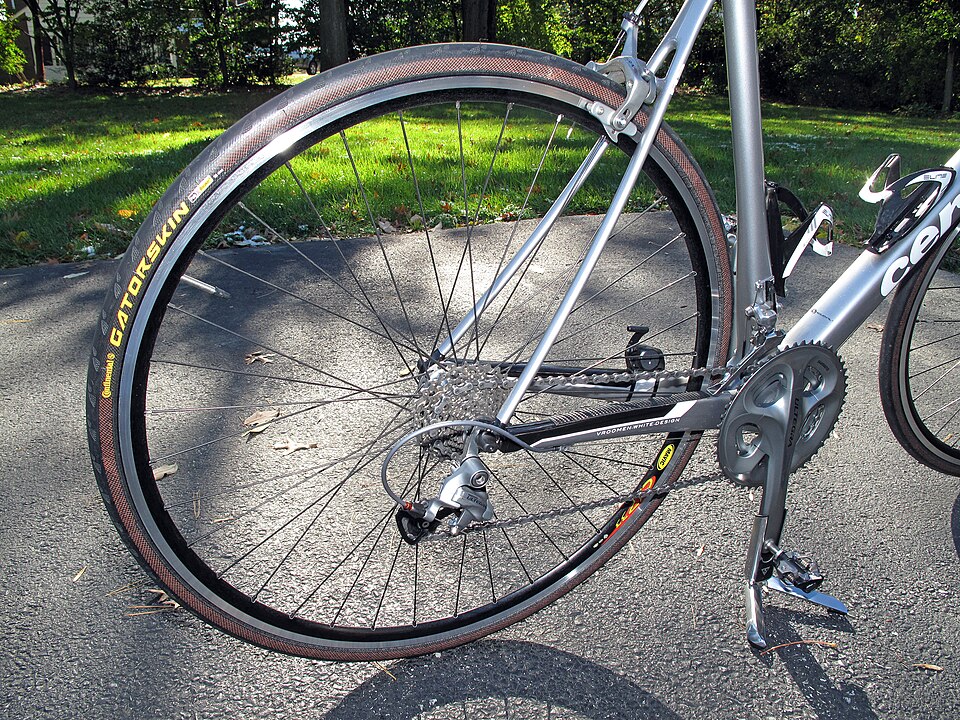
What is the ideal road bike gearing setup for climbing steep hills?
For steep climbs, use a compact crankset (50/34) with a wide-range cassette (11-32) to provide easier gears and maintain cadence without excessive strain.
How do I choose road bike gearing based on my riding style?
Choose gearing based on terrain and fitness: flat roads favor standard 53/39 with narrow cassettes, while hilly areas benefit from compact 50/34 with wider range cassettes for easier climbing gears.
What are the most common road bike gearing configurations?
Common configurations include standard (53/39), compact (50/34), and mid-compact (52/36) cranksets paired with cassettes ranging from 11-25 to 11-32 teeth for varied terrain adaptability.