Professional women’s road racing demands specialized equipment that balances aerodynamics, comfort, and performance for competitive events lasting 4-6 hours. From Shimano Dura-Ace components to high-end carbon bikes, every piece of gear serves a specific purpose in achieving optimal racing performance.
Key Takeaway
-
Professional women’s road racing requires specialized equipment including Shimano Dura-Ace components and Canyon Aeroad CF SLX bikes
-
Racing gear must balance aerodynamics, comfort, and performance for 4-6 hour competitive events
-
Safety equipment like lightweight helmets and UV-protective sunglasses are essential for high-speed racing
Professional Women’s Road Racing Equipment
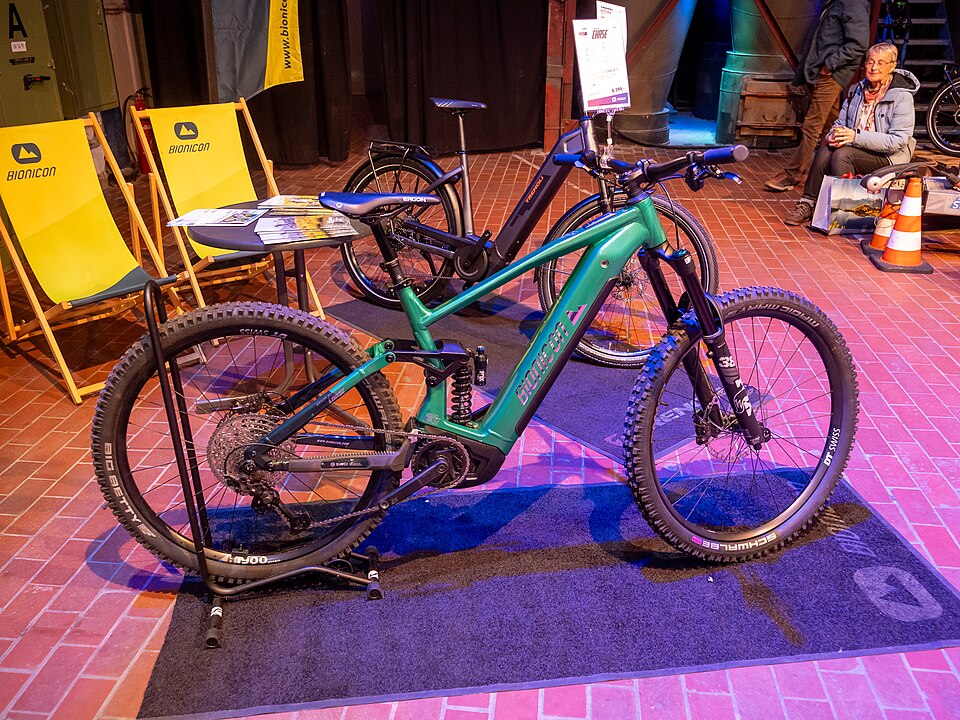
Shimano Dura-Ace Components and High-End Bikes
Professional cyclists choose Shimano Dura-Ace components for their exceptional reliability and performance under racing conditions. Emma Johansson famously continued using Shimano Dura-Ace even when her team was sponsored by Campagnolo, demonstrating the superior quality and consistency of these components. High-end bikes like the Canyon Aeroad CF SLX provide the carbon technology and aerodynamic design that elite racers need for competitive performance. These bikes feature advanced frame geometries, lightweight construction, and integrated cable routing that reduces drag and improves handling. The combination of premium components and specialized bike frames creates a complete racing system optimized for speed and efficiency.
Racing Shoes and Pedals for Power Transfer
-
Secure-fit road shoes: Lightweight construction with stiff carbon soles for maximum power transfer to pedals, typically weighing 250-300 grams per shoe
-
Efficient pedal systems: Clipless pedals that connect shoes directly to cranks for optimal energy transfer, with ceramic bearings reducing friction by up to 30%
-
Specialized racing footwear: Designed for competitive performance with aerodynamic profiles and ventilation zones that reduce heat buildup by 15-20% during intense efforts
-
Power transfer technology: Shoes engineered to minimize energy loss during pedal strokes, with stiffness ratings of 12-15 on industry scales
-
Closure systems: Boa dials or ratcheting straps that provide micro-adjustment for perfect fit without pressure points
Essential Apparel and Safety Gear
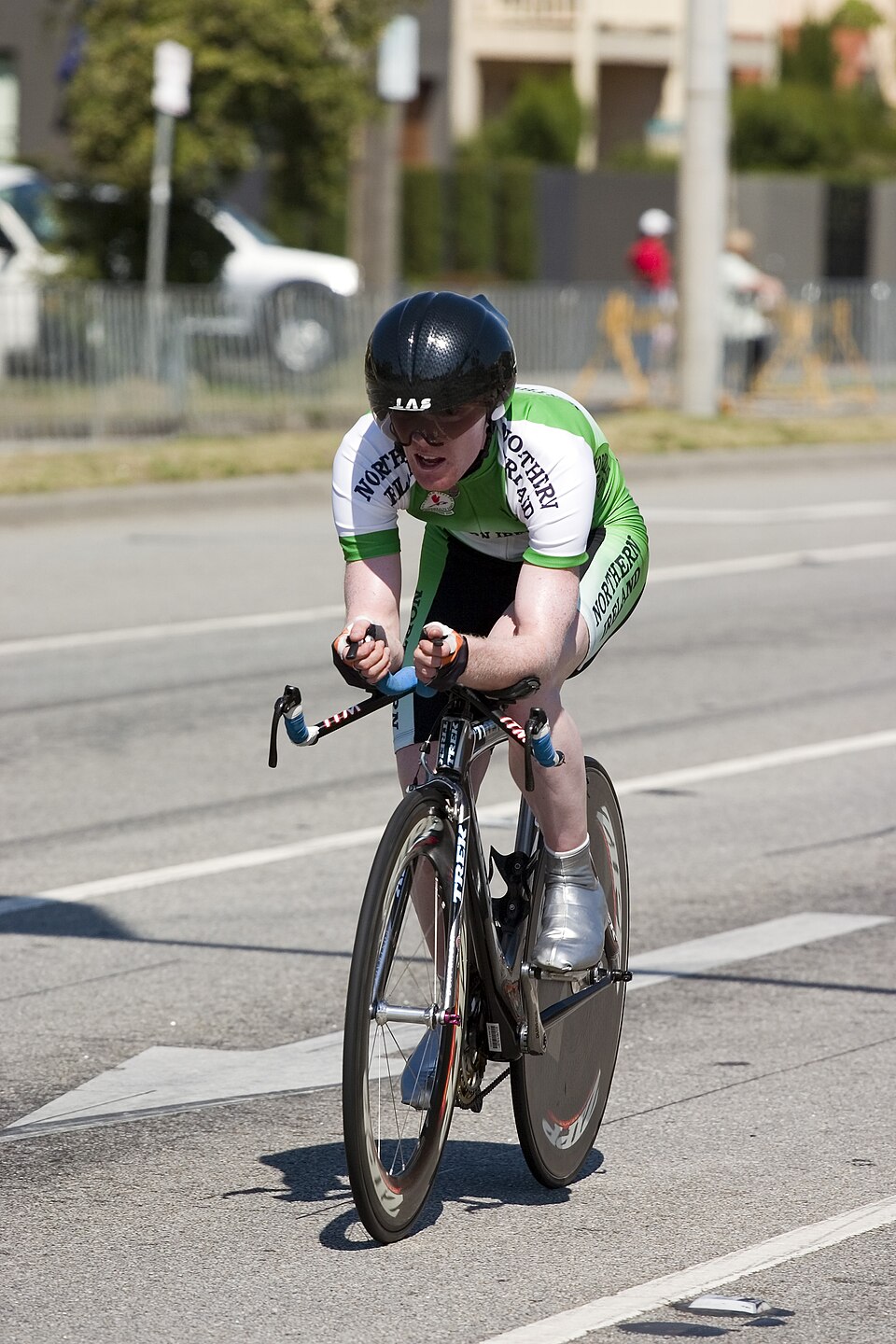
Aerodynamic Jerseys and Bib Shorts
-
Aerodynamic jerseys: Moisture-wicking fabric with form-fitting design to reduce air resistance, featuring dimpled texture that improves airflow by 8-12% compared to standard jerseys
-
High-compression bib shorts: Muscle support zones that improve blood circulation and reduce fatigue, with graduated compression that increases by 20-30% from waist to thigh
-
Padded bib shorts: Comfort padding for long races lasting 4-6 hours, using multi-density foam that varies from 6mm to 12mm thickness in strategic areas
-
Technical fabrics: Materials that regulate temperature and manage moisture during intense efforts, with UPF 50+ protection and quick-dry properties that reduce drying time by 40%
-
Seamless construction: Reduces chafing and irritation during long rides, with flatlock stitching that eliminates pressure points
Helmets and UV Protection
Safety equipment is critical for high-speed racing, starting with a high-quality, lightweight helmet that meets racing standards. Modern road racing helmets feature aerodynamic designs, excellent ventilation, and impact protection without adding unnecessary weight. UV-protective sunglasses shield eyes from sun glare and debris while maintaining peripheral vision. A durable, tight-fitting sports bra ensures mobility and prevents snags during racing movements. These safety elements work together to protect riders while maintaining the aerodynamic efficiency required for competitive performance.
Helmet Specifications
-
Weight: Professional helmets weigh 200-250 grams, with some models as light as 180 grams
-
Ventilation: 15-20 air vents with internal channeling that reduces head temperature by 3-5°C during intense efforts
-
Safety certifications: Meets CPSC, EN 1078, and other international safety standards for impact protection
-
Aerodynamic design: Wind tunnel tested to reduce drag by 8-10% compared to standard road helmets
Wheels, Tires, and Racing Essentials
Lightweight Aerodynamic Wheels
Wheels and tires significantly impact racing performance through their influence on rolling resistance and aerodynamics. Lightweight, aerodynamic tubular wheels are specifically geared for speed in pro-level criteriums and road races. These wheels feature deep-section rims for improved aerodynamics, lightweight hubs for reduced rotational mass, and high-tension spokes for stiffness and power transfer. Specialized wheels designed for racing performance can save crucial seconds over long distances. The choice of tubular tires provides lower rolling resistance and better cornering grip compared to standard clinchers, though they require more maintenance and specialized installation.
Wheel and Tire Specifications
-
Wheel weight: Racing wheelsets weigh 1,300-1,500 grams for the complete set, with some ultra-light models under 1,200 grams
-
Rim depth: 35-50mm deep-section rims for optimal aerodynamic balance between stability and weight
-
Tire width: 25-28mm tubular tires for reduced rolling resistance and improved comfort on rough surfaces
-
Pressure range: 90-110 PSI for tubular tires, providing optimal contact patch and rolling efficiency
-
Spoke count: 16-20 front spokes and 20-24 rear spokes for reduced weight while maintaining structural integrity
Why Pinarello Bikes Are So Expensive
High-end bikes command premium prices due to their elite carbon technology, hand-crafted construction, and aerodynamic design. Pinarello bikes, for example, combine advanced materials with race-proven geometry to create machines built for extreme speed and pressure. The long history of WorldTour success with these brands adds to their reputation and value. Every component is engineered to perform under the most demanding racing conditions, from the carbon layup to the paint finish. The manufacturing process involves skilled technicians who ensure each frame meets exacting standards for weight, stiffness, and durability.
High-End Bike Cost Factors
-
Carbon fiber grade: High-modulus carbon that costs $500-800 per frame compared to $200-300 for standard carbon
-
Manufacturing process: Hand-laid carbon requires 40-60 hours of skilled labor per frame, increasing production costs by 200-300%
-
R&D investment: Wind tunnel testing and computer modeling add $50,000-100,000 to development costs per model
-
Brand heritage: WorldTour success and racing pedigree justify 30-50% premium pricing
-
Limited production: Hand-built frames produced in batches of 50-100 units drive up per-unit costs
The most surprising finding in women’s road racing equipment is that professional riders often mix components from different manufacturers to achieve optimal performance, even when it means going against team sponsorship agreements. This demonstrates how critical equipment selection is to competitive success. For immediate improvement, consider upgrading to Shimano Dura-Ace components if you’re serious about racing performance, as they offer the reliability and efficiency that professionals demand — women’s road cycling.
Frequently Asked Questions About Cycling Equipment
What PSI should I use for road bike tires?
For road racing, aim for 35-40 PSI in your tires. This pressure range balances speed and comfort on smooth pavement while maintaining good traction and reducing the risk of pinch flats during intense efforts.
What type of tires are best for professional road racing?
Professional road racers often use 2.4-inch wide tires, such as the Maxxis DHR2 Minions, for their excellent grip and durability on varied road surfaces. These tires provide optimal traction and control during high-speed descents and technical sections of the course.
What safety gear is essential for women’s road racing?
Essential safety gear for women’s road racing includes a properly fitted helmet, high-visibility apparel, and gloves. These items protect against head injuries, increase visibility to other road users, and improve grip and comfort during long rides.