Road bike tires wear out at different rates depending on their type and usage, but most cyclists need to replace them every 1,500 to 3,000 miles or every 2-3 years, whichever comes first. High-performance racing tires typically last around 1,000 miles, while durable training tires can go 4,000+ miles before needing replacement. The rear tire usually wears out twice as fast as the front due to bearing more weight and power transfer.
- Replace tires every 1,500-3,000 miles or 2-3 years, whichever comes first
- Check for 7 critical wear signs: squared-off profile, missing wear indicators, visible cuts, exposed threads, sidewall cracks, and bulges
- Rear tires wear twice as fast as front tires — rotate to save money
- High-performance racing tires need replacement at 1,000 miles; durable training tires last 4,000+ miles
How Long Do Road Bike Tires Last? Mileage and Time Guidelines
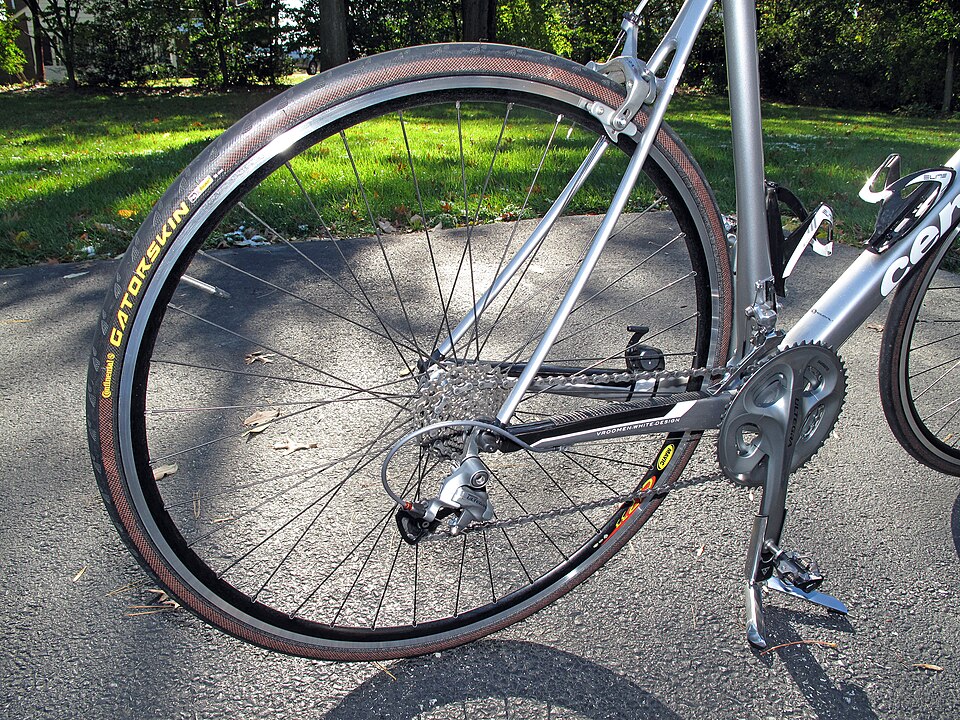
Road bike tires don’t last forever, and understanding their lifespan helps you plan replacements before safety becomes compromised. The lifespan varies significantly based on tire type, riding conditions, and maintenance practices.
Exact Mileage Ranges by Tire Type
Racing tires designed for speed and lightweight performance typically last around 1,000 miles before the tread becomes too thin for safe riding. These tires use softer rubber compounds that grip better but wear faster.
Standard road tires used by most recreational and competitive cyclists last between 1,500 and 3,000 miles. This range depends on factors like road surface quality, weather conditions, and how aggressively you ride.
Training and touring tires built for durability can last 4,000+ miles. These use harder rubber compounds and thicker casings to withstand more abuse, making them ideal for long-distance riders who prioritize longevity over maximum performance.
Time-based replacement is equally important regardless of mileage. Even if you haven’t reached these mileage thresholds, replace tires every 2-3 years due to rubber degradation from UV exposure, ozone, and temperature fluctuations.
Why Rear Tires Wear Twice as Fast
The rear tire wears out approximately twice as fast as the front tire for several reasons. First, your body weight distribution naturally places more load on the rear wheel—typically 60-70% of your weight rests on the back tire when riding in a normal position.
Second, the rear tire handles all the power transfer from your pedaling. Every watt you produce goes through the rear tire, creating additional friction and wear on the rubber. This is especially noticeable during acceleration, climbing, and high-torque efforts.
Third, the rear tire often encounters more road debris since it runs through the same path as the front but has less ability to avoid obstacles due to being directly connected to your drivetrain.
This wear pattern creates a cost-saving opportunity: when your rear tire wears out, move your front tire to the rear position and install a new tire on the front. The front tire, which wears slower and handles different forces (primarily cornering rather than power transfer), can safely serve as your new rear tire. This rotation strategy can extend your tire budget by 30-40%.
7 Critical Signs Your Road Bike Tires Need Replacement
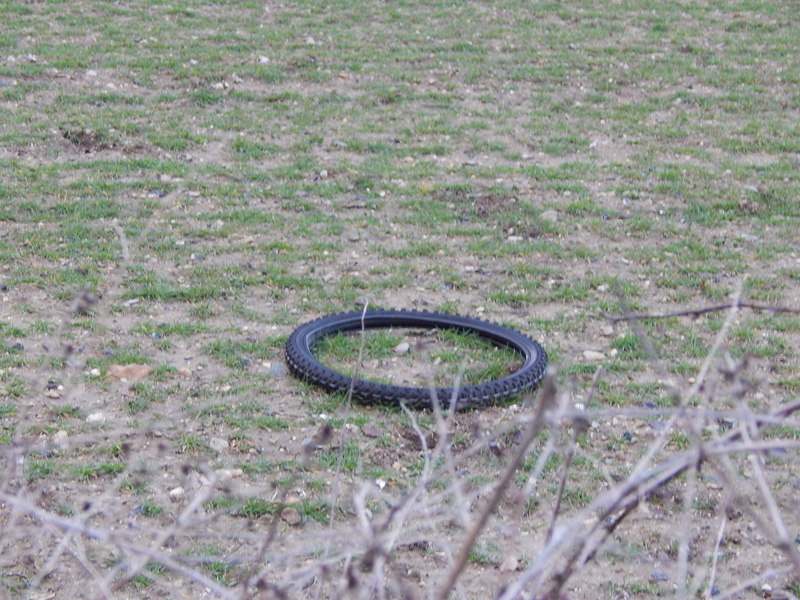
Visual inspection is crucial for determining when tires need replacement. Here are the seven most important signs to watch for during your regular bike maintenance checks.
Squared-Off Profile and Missing Wear Indicators
A healthy road bike tire has a slightly rounded profile that maintains contact with the road across its entire surface. As tires wear, the center develops a flat, squared-off strip where the tread has been worn away by straight-line riding. This squared-off profile reduces cornering ability and increases the risk of sliding in turns.
Many quality road tires, particularly from brands like Continental, include TWI (Tread Wear Indicators)—small dimples or holes in the center tread. When these indicators disappear completely, the tire has reached its minimum safe tread depth. Think of these as the tire’s built-in replacement reminder.
Visible Damage: Cuts, Debris, and Exposed Threads
Road debris takes a toll on tires over time. Small cuts, nicks, and embedded stones or glass are normal, but when they become frequent or severe, it’s time to replace the tire. Each cut represents a weakened area where the protective rubber layer has been compromised.
Embedded debris poses an ongoing risk. Small pieces of glass, wire, or sharp rocks can work their way deeper into the tire over time, eventually causing flats. If you notice multiple embedded objects or can’t remove debris with tweezers, replacement is the safest option.
The most critical sign is seeing the tire’s inner casing threads through the rubber. These white or colored threads are part of the tire’s structure, and when they become visible, the outer rubber layer has worn too thin. A blowout becomes highly likely, especially in hot conditions or under high pressure.
Structural Failure Signs: Cracks and Bulges
Sidewall cracks indicate rubber degradation from age, UV exposure, or chemical contact. These fine cracks, often called “dry rot,” mean the tire’s structural integrity is compromised. Even if the tread looks good, cracked sidewalls can fail catastrophically under pressure.
Bulges or “tumors” on the tire surface signal internal casing damage. These distortions occur when the tire’s internal structure separates or breaks down, allowing air pressure to create bubbles in weak spots. Any bulge means the tire needs immediate replacement—this isn’t a wear issue but a structural failure that could cause a dangerous blowout.
When to Replace Immediately
Some wear conditions demand immediate replacement rather than waiting for your next scheduled maintenance. If you can see the inner threads of the tire through the rubber, replace it before your next ride. The risk of a sudden puncture or blowout is too high to ignore.
Bulges require the same urgent response. These structural failures often worsen quickly and can burst without warning, potentially causing a crash. Don’t try to nurse a bulging tire through one more ride—the safety risk isn’t worth it.
Cracks that appear deep, numerous, or growing rapidly also warrant immediate replacement. While a single hairline crack might not be urgent, a network of cracks or ones that are widening indicate advanced rubber degradation that could fail under pressure.
Maximizing Tire Life: Maintenance Tips and Replacement Strategies
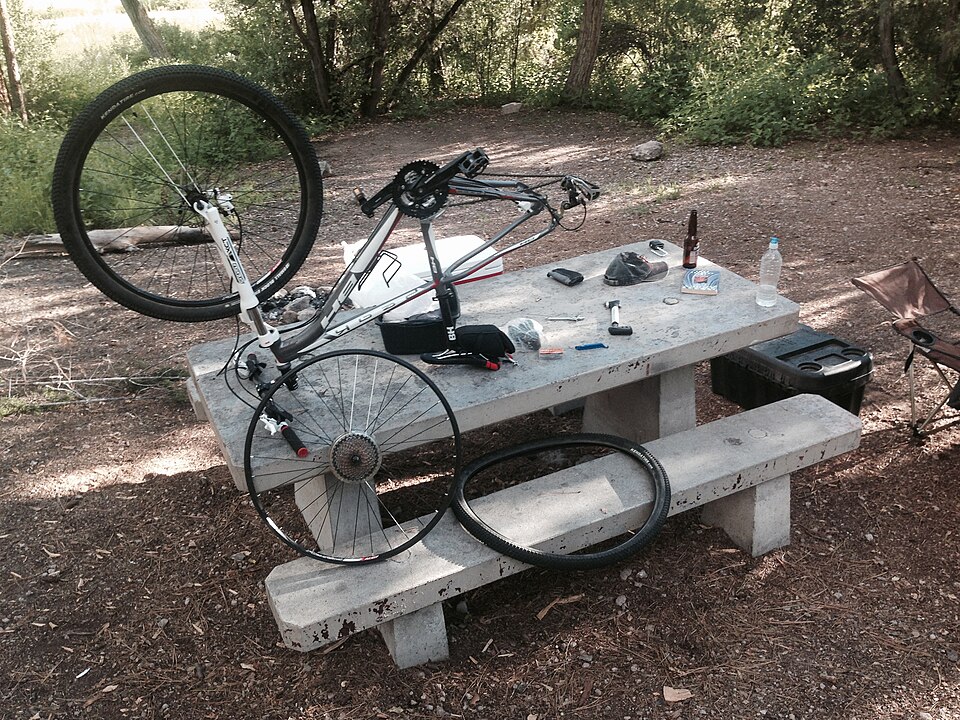
Proper maintenance can significantly extend your tire life while maintaining safety. These practices help you get the most mileage from your investment while reducing the risk of flats and failures.
Regular PSI Checks and Debris Removal
Maintaining proper tire pressure is crucial for both performance and longevity. Under-inflated tires create more rolling resistance, wear faster on the edges, and are more susceptible to pinch flats when hitting potholes or debris. Check your tire pressure weekly using a quality floor pump with a gauge, and inflate to the manufacturer’s recommended PSI (usually printed on the tire sidewall).
Debris removal should be part of your post-ride routine, especially after riding on rough roads or in wet conditions. Small pieces of glass, wire, or sharp stones can embed in the tread and work deeper over time. Use a small pick, tweezers, or even a toothpick to remove debris before it causes a flat. This simple habit can prevent 50% of potential punctures.
Cost-Effective Replacement Strategies
The rotation strategy mentioned earlier—moving your front tire to the rear when it wears out—can save significant money over time. Since the front tire wears slower and handles different forces, it often has plenty of life left when the rear needs replacement. This approach can extend your tire budget by 30-40% annually.
Track your mileage using a bike computer or smartphone app to predict when replacements will be needed. This helps you budget for tires and avoid the emergency purchase of whatever’s available at your local shop. Many cyclists find that buying tires in pairs during sales provides the best value.
Consider your riding style when selecting tires. If you prioritize longevity over maximum performance, durable training tires might be more cost-effective despite slightly higher rolling resistance. Conversely, if you race or prioritize speed, the performance benefits of racing tires might justify their shorter lifespan.
The most important maintenance habit is regular visual inspection. Once a month, examine your tires with a flashlight, checking for the seven critical wear signs mentioned earlier. This monthly check can identify problems while they’re still minor, preventing the safety risks and inconvenience of sudden tire failure.
Proper tire maintenance and timely replacement aren’t just about saving money—they’re crucial safety practices that prevent crashes, flats, and the frustration of unexpected mechanical issues during rides. By understanding wear patterns, recognizing critical signs, and following these maintenance strategies, you can ride confidently knowing your tires will perform when you need them most.
- Replace tires every 1,500-3,000 miles or 2-3 years, whichever comes first
- Check for 7 critical wear signs: squared-off profile, missing wear indicators, visible cuts, exposed threads, sidewall cracks, and bulges
- Rear tires wear twice as fast as front tires — rotate to save money
- High-performance racing tires need replacement at 1,000 miles; durable training tires last 4,000+ miles
Internal Links to Include
- [MANDATORY] Target URL: https://www.emmajohansson.com/road-cycling — anchor text: “road cycling” (or natural variation)
- [cluster sibling] URL: https://www.emmajohansson.com/?page_id=175
Topic: “road cycling”
→ Create anchor text that describes what readers will find on this page
- [cluster sibling] URL: https://www.emmajohansson.com/essential-cycling-tips-for-beginners-starting-their-journey
Topic: “cycling tips for beginners” — Page title: “Essential Cycling Tips for Beginners Starting Their Journey”
→ Create anchor text that describes what readers will find on this page
- [cluster sibling] URL: https://www.emmajohansson.com/complete-bike-maintenance-checklist-every-cyclist-should-follow
Topic: “bike maintenance checklist” — Page title: “Complete Bike Maintenance Checklist Every Cyclist Should Follow”
→ Create anchor text that describes what readers will find on this page
- [cluster sibling] URL: https://www.emmajohansson.com/best-cycling-routes-near-me
Topic: “best cycling routes near me” — Page title: “Finding the Best Cycling Routes Near You: A Local Guide”
→ Create anchor text that describes what readers will find on this page
- [cluster sibling] URL: https://www.emmajohansson.com/essential-cycling-gear-for-women-what-you-really-need
Topic: “cycling gear for women” — Page title: “Essential Cycling Gear for Women: What You Really Need”
→ Create anchor text that describes what readers will find on this page
- [cluster sibling] URL: https://www.emmajohansson.com/beginner-cycling-training-plan-build-your-fitness-safely
Topic: “beginner cycling training plan” — Page title: “Beginner Cycling Training Plan: Build Your Fitness Safely”
→ Create anchor text that describes what readers will find on this page
- [cluster sibling] URL: https://www.emmajohansson.com/top-road-bike-reviews-2024-best-models-compared
Topic: “road bike reviews 2024” — Page title: “Top Road Bike Reviews 2024: Best Models Compared”
→ Create anchor text that describes what readers will find on this page